

China in Bloom | Exploring the Historical Answer to “Why China” and the Pulse of the Times
On the occasion of the whole party and the whole country studying and implementing the important speech of General Secretary Xi Jinping at the symposium on the development of cultural inheritance, the online thematic propaganda of “China in Bloom and Why China” jointly guided by the State Administration of Cultural Heritage, the Central Office of the Internet Information Office, the People's Daily, and the Shaanxi Provincial Committee of the Internet Information Committee was launched on July 9 in Xi'an, Shaanxi Province.
In the guest sharing session of the launch ceremony, around the “five outstanding characteristics” of Chinese civilization put forward by General Secretary Xi Jinping, guests from the field of cultural relics, net information, media to share the theme of interactive dialogue, in the heyday of China, and jointly explore the “Why China? The guests from the fields of cultural relics, net information and media shared interactive dialogues on the theme of “five outstanding characteristics of Chinese civilization” proposed by General Secretary Xi Jinping.
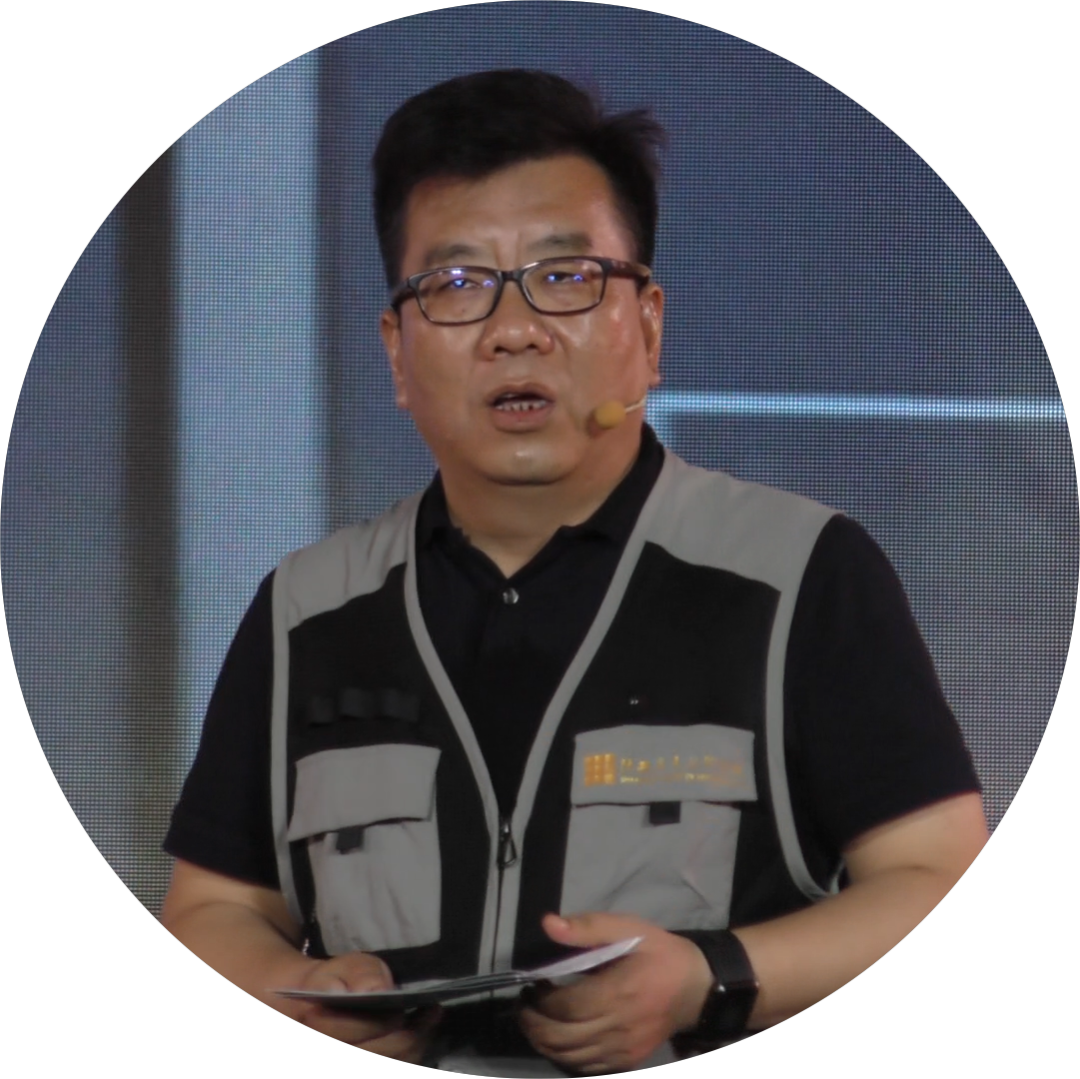
Sun Zhouyong, Director of Shaanxi Archaeological Research Institute and Director of Shaanxi Archaeological Museum:
A handful of shovels through the past and present
“Shengshi China why China” online theme publicity launching ceremony, Sun Zhouyong holding a very inconspicuous bamboo mouth spring slowly on stage, to the audience about archaeologists life ‘unlock’ the unknown, all the way to the harvest of surprises of the wonderful course.
“In recent years, the round mount site found and confirmed the world's earliest mouth spring.” Sun Zhouyong pointed to the mouth reed in his hand, said, from 2012 to the present, the site of the round stone of the disappeared kingdom of the capital in the archaeological tool under the hand shovel gradually faded thick yellow soil, this four thousand years ago, highly praised, the authority of the towering sacred capital, the scale of the magnificent, magnificent, known as the “stone breakthrough” type of archaeological discovery. It was here that the reed, known as the “first voice of mankind,” was first recognized, and the “reed” in the idiom “a clever tongue like a reed” refers to it.
Speaking of the wooden figurines unearthed from the tomb of the ruler of the state of Rui during the Spring and Autumn Period in Sima Qian's hometown of Hancheng, Sun Zhouyong recalled, “When it was found, it was just a big hollow. If there is no keen judgment, perhaps it will 'fall apart' and 'go up in smoke'. Archaeologists with rich working experience, through the plaster casting let him 'fixed reborn in 2300 years ago', once recognized as China's earliest 'wooden figurines', is to show the ancient Chinese society 'to wooden puppets instead of living martyrdom' social progress ' An important example of social progress.”
In April 2022, as the country's first thematic museum in the discipline of archaeology, the Shaanxi Archaeological Museum met with the audience, and was enthusiastically received from general audiences and professionals. More than a year after the opening of the museum, the question Sun Zhouyong has been asked most often is: “What is your town treasure?” “This question is too difficult to answer! Because in my eyes, here on display in more than 5,000 pieces of each piece of unearthed artifacts, contains the genes and codes of civilization, carrying the wisdom of the ancients.” Sun Zhouyong said.
Shaanxi Archaeological Museum in the display of a “giant” star exhibits - the Yuan Dynasty Zhang press answer not flower couple's joint tomb, a huge volume, exquisite murals. In order to make it into the museum and to ensure the structural integrity of the body, innovative use of the “replacement of the support body” approach, weighing more than 30 tons of frescoes greatly reduced weight, the periphery of the 3D animation projection form reproduced the Yuan Dynasty life scenes. “Cultural relics tell stories, history moves, this is the ancient social life and modern exhibition 'two-way run to', this is a win-win situation for cultural relics protection and exhibition experience.” Sun Zhouyong said.
Sun Zhouyong mentioned that the museum also shows a number of ancient life remains, as well as animal bones, plant seeds, residues and other “ancient garbage”. These ancestors of the “waste” is often regarded by archaeologists as treasures, through scientific and technological means and the research of experts in other disciplines, they have become the recovery of the historical reality and the ancient social landscape of the “first evidence”.
“A lifetime of 'unlocking' the unknown, all the way to harvest surprises, this is archaeology brings me the greatest pleasure.” Sun Zhouyong said, archaeologists traversing history and the first people to dialog, cultural and public relations people innovative creativity and audience interaction. Generations of archaeologists, yellow scrolls, perseverance, so that the pulse of Chinese civilization is increasingly clear, every unexpected discovery is enriching the details of history. Archaeology has revitalized the remains buried for thousands of years and given history a future.
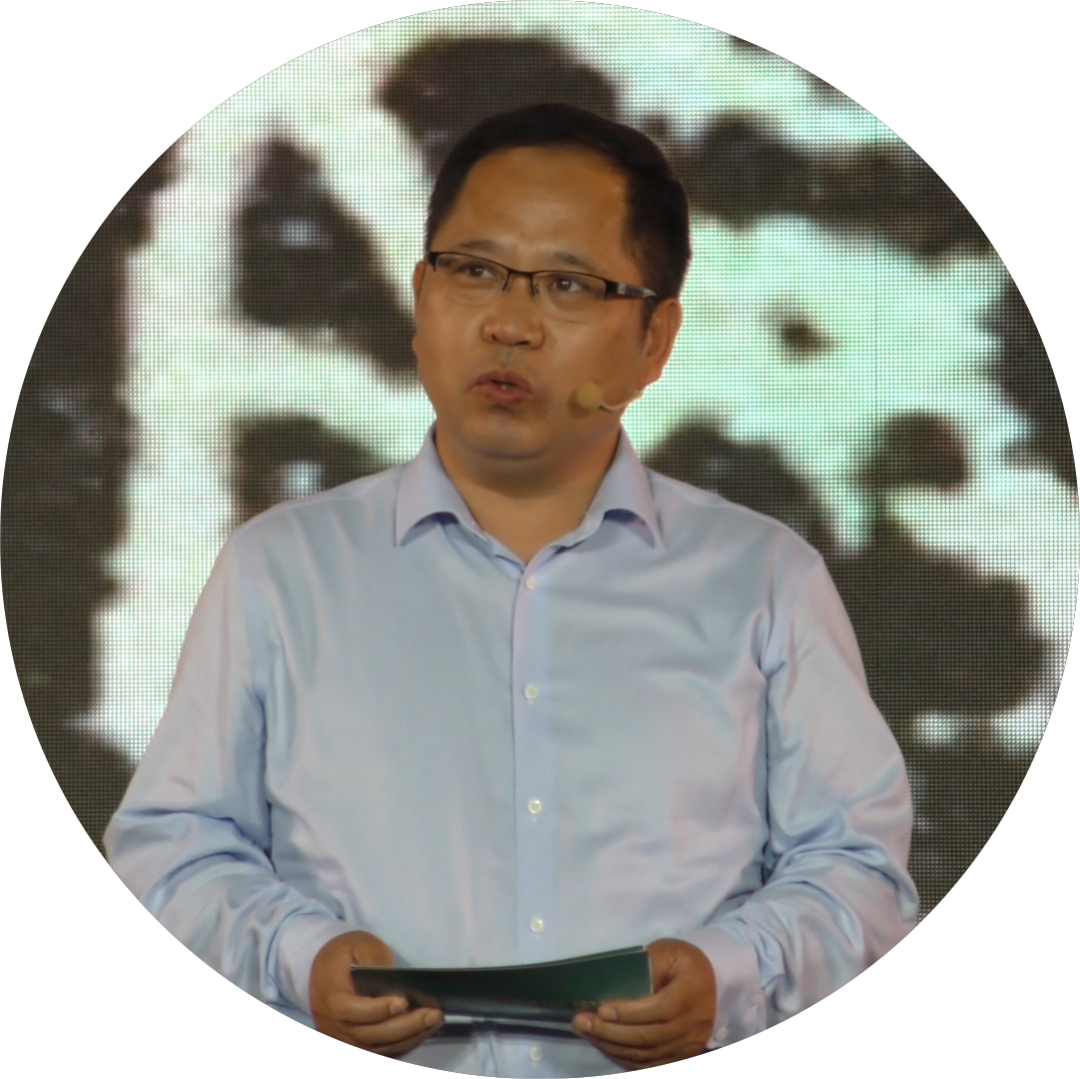
He Yuling, researcher at the Institute of Archaeology, Chinese Academy of Social Sciences, and deputy director of the Anyang Workstation:
A piece of oracle bone surprised the world
He Yuling from Yinxu in Anyang started with a piece of oracle bone unearthed in Yinxu, which is more than 3,000 years old, and told how a piece of oracle bone amazed the world.
Oracle bone writing is by far the earliest mature writing system in China, and is the source of Chinese characters and the root of China's outstanding traditional culture. The world's oldest three major writing systems, only the oracle bone as the representative of the Chinese characters used to this day.
He Yuling introduction, Yinxu has unearthed more than 150,000 pieces of oracle bones, a single word of about 4,500 words, although only deciphered more than 1,500 words, but these oracle bones to the history of Chinese letters forward about 1,000 years.
3000 years of history, infused with the life of the ancient oracle bones, inspired generation after generation to continue to explore the “why China” answer of the times. “In the process of evolution of Chinese characters represented by oracle bones, beyond dialect and language, 1.4 billion Chinese children are connected by blood, but also let the Chinese civilization is alive and well and passed from generation to generation.” He Yuling said.
It is impossible to understand ancient China, or modern China, or future China, without recognizing China from the historical continuity of its long history. “It is because of the outstanding characteristics of Chinese civilization that Marxism, which was introduced to China more than 100 years ago, can be combined with the outstanding traditional Chinese culture, allowing us to explore future-oriented theories and institutional innovations.” He Yuling confessed.
He Yuling believes that the Chinese people from ancient times, there is no lack of imagination and creativity, from the West to the Central Plains region of metallurgy, through the Xia Dynasty, the early Shang Dynasty, the mid-Shanghai Dynasty, innovation, breakthroughs, the original can only be two pieces of the casting of flat bronze, into the casting of bronze containers with the mold method, such as three-dimensional beautiful bronze in the column of the pelvis, very similar to the famous food in Yunnan, “Steamboat Chicken “The angular Simuwuding and the lovely “Yachang” Cow Zun, hit the heart of modern young people with “contrasting cute”; there are also modern sewer pipes with the same flavor as the “Tao Tantong”, all highlighting the ancient people's ‘heavenly’ wisdom.
Oracle research is still a long way to go. “One after another word crack, generation after generation of research, even successfully cracked a word, may activate the ancient world behind the hidden. Yinxu has been excavated for nearly a hundred years, and touching history through oracle bones, bronzes and jades is probably the charm of archaeology.” He Yuling said, with the economic and social development and scientific and technological progress, clothing house more and more beautiful and exquisite, living and traveling more convenient and intelligent, we no longer rely on the crack of the tortoise shell to determine the suspicion, but those oracle bone inscriptions recorded history, flowing in the long river of Chinese civilization, and will always be engraved in the hearts of the children of China.
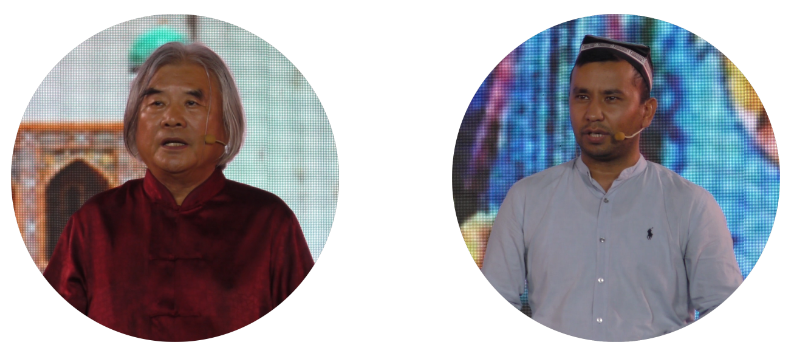
Wang Jianxin, leader of the Central Asian Archaeology Team of Northwest University, and Baha, a PhD candidate in archaeology at Northwest University:
Chang'an Fu hand in hand to play a new movement of civilization exchanges and mutual understanding
At the launching ceremony of the online thematic propaganda of “China in Times of Shengshi”, Wang Jianxin, the leader of the Central Asian Archaeology Team of Northwestern University, together with his student Baja, shared a touching story of the mutual appreciation of civilizations in ancient and modern times, both in China and abroad.
The story began with a set of commemorative stamps. “It was issued by our country and Uzbekistan to commemorate the 30th anniversary of the establishment of diplomatic relations between the two countries, and the stamps have pictures of two artifacts, one found in China and one in Uzbekistan.” Wang Jianxin held the stamps up to the audience.
The first relief image, found in a Northern Zhou tomb in Xi'an, records scenes of Sutis from Central Asia living in Chang'an during the Northern Zhou period.
Another mural, unearthed in Samarkand, Uzbekistan, the ancient homeland of the Sut people, interestingly, also found the image of Chinese people in the Tang Dynasty, and some scholars believe that one of the characters shown on it is the “Empress” Wu Zetian. The site of the mural, Afrasiab, happens to be Bhabha's hometown.
“I first saw this mural is in secondary school textbooks, college I studied history, the historical value of this mural has a deeper understanding. When I saw the mural at the Afrasiab Ruins Museum, it made me think, 'I should study it'.” Currently, Baha, as Wang's doctoral student, is doing his research on the Afrasiab site, continuing to dig out the story behind the mural and hoping to provide academic assistance to the two countries in their joint efforts to conserve and display the site.
Wang went on to explain that the story on the mural took place more than 1,000 years ago, giving us an insight into the history of friendly exchanges between the ancient Chinese and the Cornish people, while in the records of Chinese literature, there are also stories of the westward migration of the ancient Yuezhi people and Zhang Qian's visit more than 2,000 years ago.
“More than 20 years ago, we restarted the archaeological work on the Silk Road in order to find and confirm the cultural remains of the Yuezhi people. Starting from Gansu and Xinjiang in China, and then traveling to Uzbekistan and Tajikistan in Central Asia, we searched for the remains of the Yuezhi culture along the way.” Wang Jianxin recalled that from 2009, we entered Central Asia to carry out work, and through archaeological investigation and excavation, combined with old and new archaeological data, we confirmed the cultural characteristics and distribution range of the ancient Yuezhi people who moved westward to Central Asia, and also reacquainted ourselves with the relationship between the ancient Yuezhi and the Kushan, which enriched the history of the Silk Road.
“Wang hopes that the archaeological work of the Silk Road, in the construction of the “Belt and Road”, will better and more deeply promote humanistic exchanges and people-to-people communication, and build a closer China-Central Asia community of destiny. Central Asia community of destiny.
For thousands of years, China and the people of Central Asia have exchanged ideas, learned from each other, created the glorious history of the ancient Silk Road, and promoted the exchanges and exchanges of human civilization. Today, a new chapter of Silk Road civilization exchanges and mutual understanding is being written.
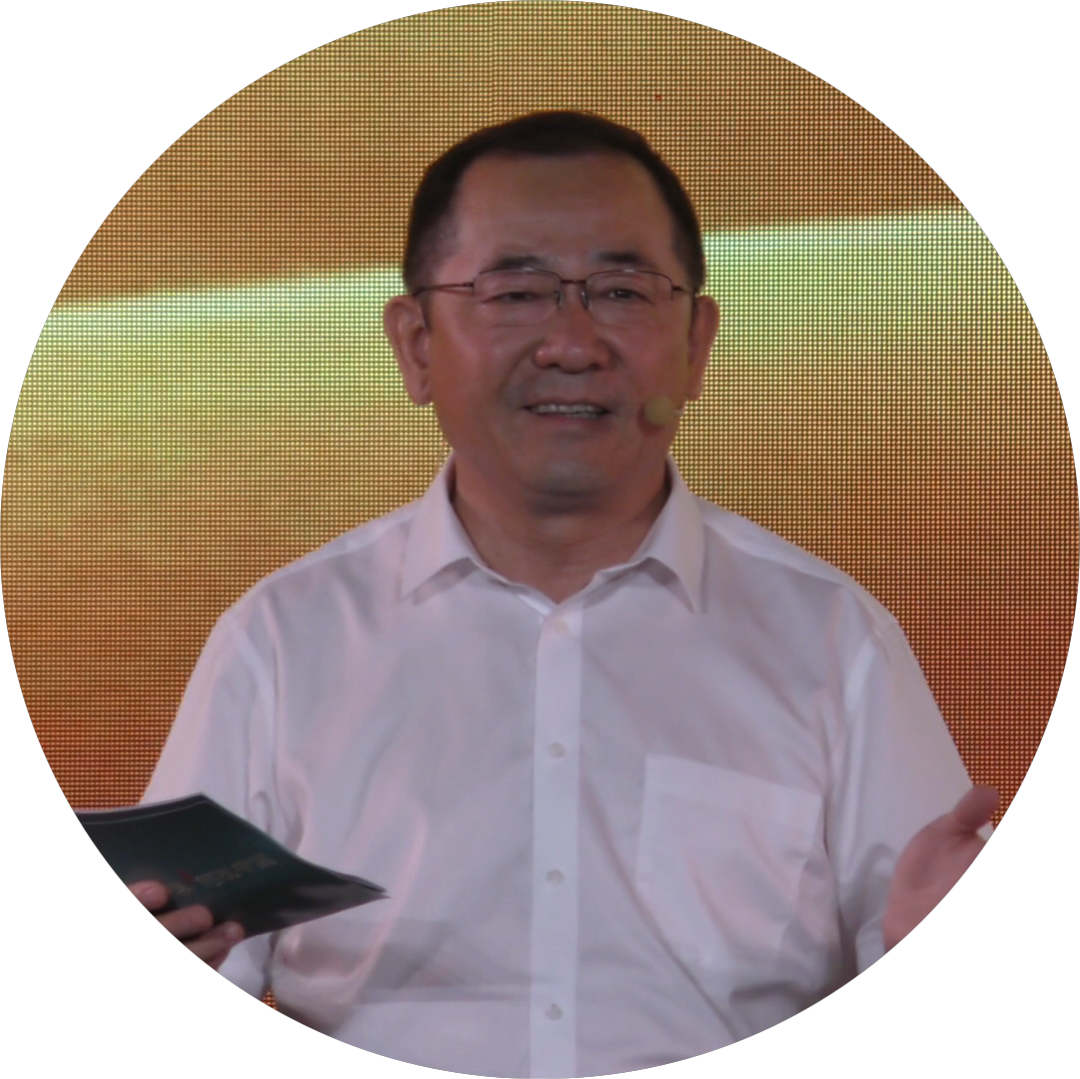
Yu Zhiyong, Director of the Xinjiang Uygur Autonomous Region Museum:
“Five Stars Out of the East Benefit China”
Highlighting the unity of Chinese civilization
Xinjiang this land, witnessed the development of the ancient Silk Road, buried a large number of exquisite cultural relics.
On the evening of July 9, in the “Shengshi China Why China” online thematic propaganda launching ceremony, Xinjiang Uygur Autonomous Region Museum Director Yu Zhiyong shared the “five stars out of the East to benefit China” Han Dynasty brocade arm guards, a very special cultural relics of Xinjiang, the story behind the story and the prominent characteristics of Chinese civilization. The outstanding characteristics of Chinese civilization.
“This brocade arm guard is highly skilled in weaving, bright colors, is recently very hot 'dopamine color scheme',” Yu Zhiyong introduced with a smile, ‘five stars out of the East to benefit China’ Han Dynasty brocade arm guard was found at the Niya site in Xinjiang. Discovered at the Niya site in Xinjiang, it is regarded as one of the greatest discoveries in Chinese archaeology in the 20th century. Five-color brocade arm guards, can clearly see the “five stars out of the East to benefit China” several words, is the Chinese people in the observation of astronomy, the creation of the calendar, the world's civilization has made an important contribution to the precious material evidence. Here the “five stars” auspicious language text, is the Chinese traditional astronomical astrology terminology, reflecting the Han dynasty yin and yang, five elements, heaven and man induction of the concept of the universe, the world, is the evidence of the Han dynasty governance in Xinjiang, indicating that at that time, the western region for the Central Plains culture is very much recognized and yearning, but also from the side, reflecting that the various ethnic groups in the 2,000 years ago, the depth of exchange and mingling, showing us that the Chinese people to observe astronomy, create the calendar, an important contribution to the world civilization. exchanges and intermingling, showing us the special charm and outstanding unity of Chinese civilization.
“In the Xinjiang Museum, there are many other cultural relics as exquisite and storytelling as the 'Five Star Brocade'.” Yu Zhiyong cited the example of a Tang Dynasty official document that records the story around 733. An official based in Turpan's Xizhou Governor's Office was transferred to Fuzhou for a posting, and a line of his family members applied to the official government for a pass to Fuzhou. Amazingly, the declaration and approval procedures were completed in one day, fully illustrating the high administrative efficiency at that time, and at the same time, the mountains, about half a year's journey unimpeded, more reflecting the Tang Dynasty, the smooth flow of orders and effective management, but also shows that since ancient times, Xinjiang is an important part of our unified multi-ethnic country.
Every time in the explanation of the “five-star brocade” and other exquisite cultural relics, Yu Zhiyong always heart pounding, full of historical confidence and pride, the mind will always emerge two thousand years ago, the Kunlun Mountains, the desert oasis of the pioneers of hard work and quiet life of the historical scene, accompanied by camel bells, accompanied by pastoral songs.
Yu Zhiyong said that he would bear in mind the entrustment of General Secretary Xi Jinping to expound the history of Xinjiang more comprehensively and accurately, and to make it clear that Xinjiang has been an inalienable part of our country and a multi-ethnic region since ancient times, and that all the ethnic groups in Xinjiang are important members of the Chinese family of nations connected by blood and sharing the same destiny.
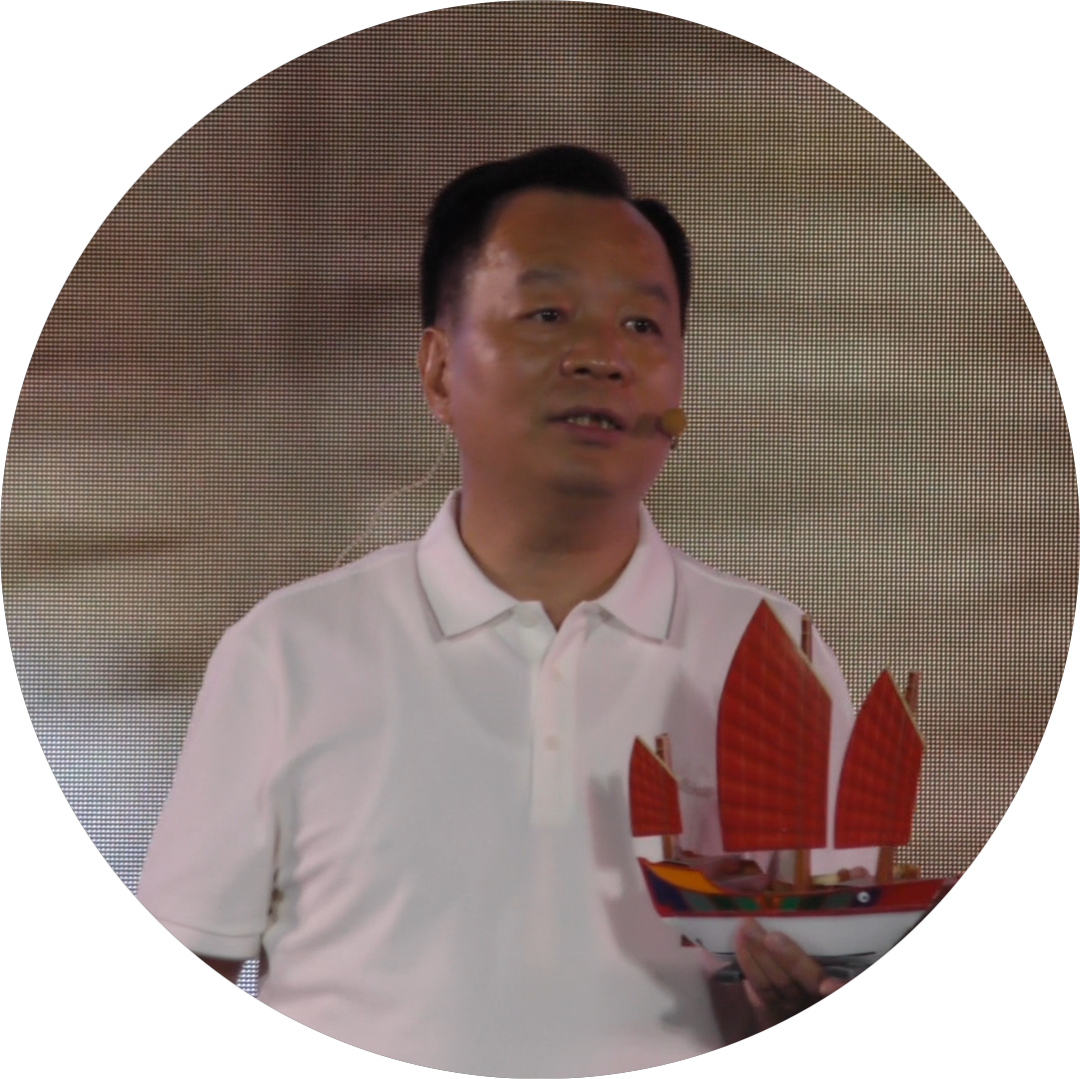
He Zhenliang, a researcher at the Cultural Relics Protection Administration Office of Fujian Quanzhou Prefectural Culture Temple:
City of Light to the Future
Quanzhou, Fujian Province, the rise of the sea. For thousands of years, the pioneers sailed far and wide to open up the “Maritime Silk Road” linking Europe, Asia and Africa. In Xi'an, Shaanxi Province, at the launching ceremony of the theme of “China in the Sheng Shi China”, He Zhenliang, a researcher from the Cultural Relics Protection Management Office of the Quanzhou Prefectural Cultural Relics Temple in Fujian Province, told the audience the story of China's maritime trade through the medium of the ancient shipwrecks of the Kaiyuan Temple in Quanzhou.
“Displayed in the Kaiyuan Temple of this ancient shipwreck from the Southern Song Dynasty, is seven hundred years ago, the “Great Power”, belongs to the 'Fukushima' type of ocean-going merchant ships, and 'Fukushima' is the ancient shipbuilding industry. ' is the benchmark of the ancient shipbuilding industry, with the reputation of the sea boat to Fujian as the top.” He Zhenliang introduction, the shipwreck was found in 1974 in Quanzhou Bay Houzhu Harbor Beach, unearthed when the ship contains more than two thousand kilograms of spices and herbs not dehydrated, after judging that it should be a commercial vessel returning from overseas.
Quanzhou, the ancient name of “Prickly Tong City”, not only has advanced shipbuilding technology, but also one of the important ports of China's ancient overseas transportation. During the Song and Yuan dynasties, Quanzhou's overseas trade was unprecedentedly prosperous, with merchants from all over the world coming and going, and western travelers were also attracted to the city and wrote many vivid travelogues. Marco Polo once “called” Shengtong as one of the largest ports in the world, and Jacob D'Ancona saw the “Shengtong Port” filled with torches and marveled at it, calling it “the city of light! Jacob D'Ancona saw “Prickly Tong Harbor” lit with torches and marveled at it, calling it “the city of light”.
Because of Quanzhou's important position in maritime trade, people from different countries, nationalities and religions have exchanged and mingled here. He Zhenliang proudly introduced to everyone: “Quanzhou city's largest Buddhist temple Kaiyuan Temple West Tower carved with Indian-style monkey walkers, Islamic temple Qingjing Temple preserved the Ming Dynasty Emperor's Oracle inscriptions, they are neighbors with the Quanzhou Prefectural Literature Temple, Guandi Temple.” This multicultural heritage makes Chinese civilization's qualities of “generosity, tolerance and openness” more prominent.
On July 25, 2021, the project “Quanzhou: World Centre of Maritime Commerce and Trade in Song and Yuan China” was officially inscribed on the World Heritage List, and the civilization of “Prickly Tung City” was recognized by the world. The Quanzhou series of heritage shows the history of the intersection of agriculture and maritime civilization and the peaceful development of Chinese civilization since ancient times. Quanzhou, with its “pluralistic integration, common prosperity, and shared development”, also provides a sample of the historical dimension of the concept of building a community of human destiny, which is still an important revelation to the world today.
Let Quanzhou go to the world, let the world see Quanzhou. Sailing is in the blood of the “people of Shengtong”. For thousands of years, the people of the ancient city have cared for this precious and unique heritage as if it were their own eyes. In the context of the “One Belt, One Road” initiative and the construction of a strong maritime country, Quanzhou, the “Ship of Light” carrying the memories of human navigation, will surely be able to ride the winds and waves and renew its voyage.
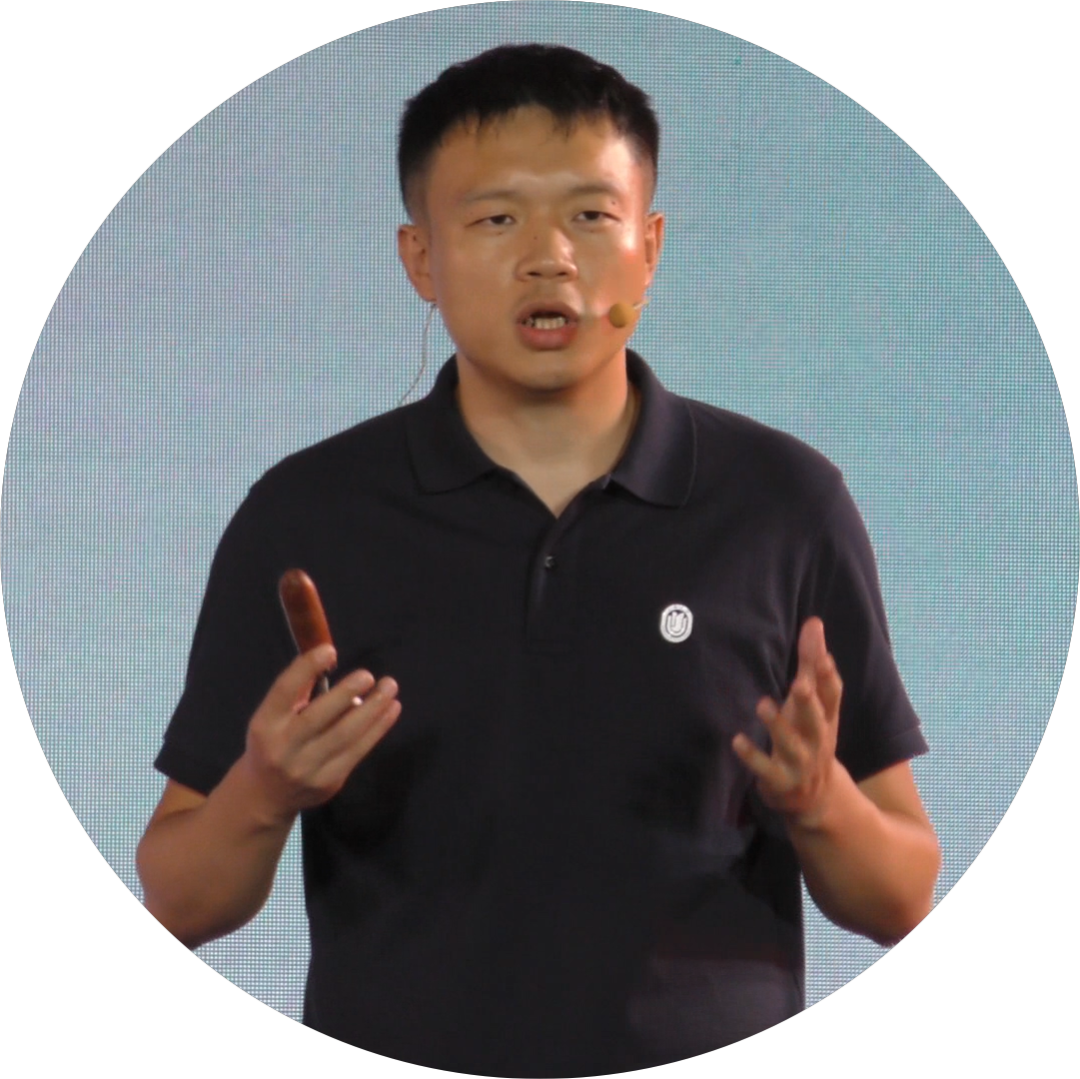
Xu Feihong, lecturer of Shanghai University and head of the excavation of Sanxingdui No.3 Sacrificial Pit:
Passing on the Flame and Protecting it from Generation to Generation
Xu Feihong, a young teacher of archaeology at Shanghai University, brought a commemorative hand shovel of Shanghai University's participation in the archaeological excavation of Sanxingdui, and told the story of his encounter with Sanxingdui at the launching ceremony, and shared a part of the legend of the ancient Shu civilization in Southwest China.
“In 2021, together with my colleagues and students, I participated in the excavation of the No. 3 sacrificial pit of Sanxingdui. What impressed me most was the 'Bronze Top Zun Kneeling Human Statue' found in Pit 3. We first found the hands of the bronze zun and the bronze man respectively in the pit, and then confirmed that the two belonged to the same artifact, and then, through research, we thought that the bronze zun probably came from the middle reaches of the Yangtze River, while the bronze man was a product of the upper reaches of the Yangtze River.” Xu Feihong said with deep feeling, “the process of constantly unveiling the mystery of cultural relics is really unforgettable.”
Recently, let Xu Feihong excited is, top kneeling statue and pit 8 of the giant bronze beasts to complete the collocation, after the collocation of 1.5 meters high, cultural relics to achieve the cross-pit merger, so that never before seen heavy artifacts appear on earth, but also let a person marvel at the ancient Shu civilization of the unique world view, simply “brainstorming”. This artifact reflects the ancient Shu people of the Central Bronze civilization of absorption and transformation, interpretation of the Chinese culture with an open and tolerant mind of exchange and integration, continuity and prosperity.
Xu Feihong frankly, “most of the real archaeological work is boring. In the Sanxingdui sacrificial pit excavation, because of the fear of damage to cultural relics, archaeologists every day in only 14 square meters of the pit, 'lying' more than 8 hours of work. In my opinion, such excavation 'posture' seems to be the worship of Chinese civilization. This is how we archaeologists, generation after generation, religiously stay close to history and work hard to restore history.”
Xu Feihong studied at Peking University's School of Archaeology and Literature. Recalling the eve of graduation, General Secretary Xi Jinping's reply letter, still boiling blood, “General Secretary's reply letter let us and surprise and joy, the General Secretary encouraged us to ‘cherish the Shaohua, to work hard, the courage to walk in front of the times of the striving, pioneering, dedication’, we are encouraged, keep in mind. ”
Xu Feihong also shared a precious experience during his postdoctoral period, “In the 1980s, the materials of the Wuchang Sui and Tang tombs had been led by Mr. Cebai, a leading scholar, and although this material was very important, the report was not published due to the various restrictions at that time.At the end of 2018, I took the initiative to volunteer to lead my colleagues to utilize the new methodology and technology to re-arrange the materials, and finally published the archaeological report Wuchang Sui and Tang Tombs at the end of 2021. I feel very lucky and proud to be able to stand on the shoulders of my predecessors and teachers, and to have this dazzling cultural heritage presented to the world.”
“Mr. Fan Jinshi once said 'The place where my heart returns is Dunhuang'. I think every one of us archaeologists has a place to return to in our hearts, passing on the flame and guarding it from generation to generation.” Xu Feihong concluded.
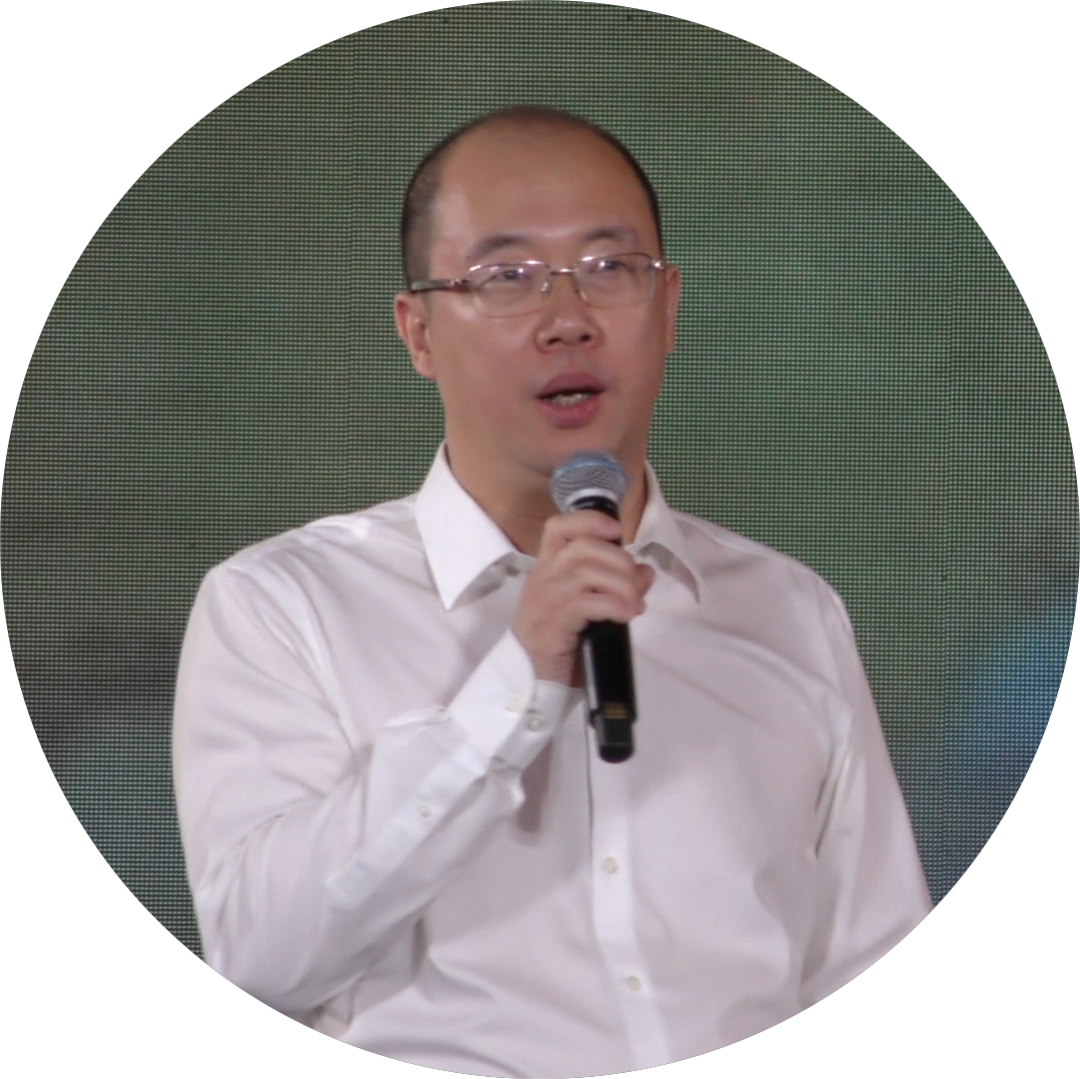
Nicco Ye, Chairman of People's Daily:
Innovative use of cultural relics to inherit the beauty of civilization
Recently, the dance-poetry drama “Only This Green” has been widely acclaimed, with more than 300 performances and a full house. At the launching ceremony of the “China in the Shengshi” thematic publicity campaign in Xi'an, Shaanxi Province, Nicco Nicco, Chairman of the Board of Directors of People's Daily, shared the mystery behind the “popularity” of “Only This Green” with the audience. “The beauty of civilization is its beauty.
“The beauty of civilization lies in innovation and inheritance. The creation of Only This Green did not discuss seniority, but boldly employed newcomers, the composer Lv Liang is a junior title, and the director Han Zhen is only an intermediate title, we are using talent innovation to promote innovation in the work.” Nicco introduced the dance-poetry drama based on the famous painting “Thousand Miles of Rivers and Mountains” of the Northern Song Dynasty, in which the 18-year-old painter Wang Ximeng spent six months waving his brush and ink to achieve a painting of a thousand years old. Wang Ximeng in the play starring young actor Zhang Han, in and Wang Ximeng similar age to come to Beijing to study dance, with a high talent for dance, the height of only one meter seven, she was specially absorbed into the hundred steel, encountered the “only this green green”, he is simply for Wang Ximeng this role, two talented young people through space and time to dialogue, interpretation of the beauty of civilization.
The beauty of civilization lies in its outstanding characteristics. The “meta-universe” that has become very popular in recent years is actually another name for virtual reality. China's famous scientist Qian Xuesen translated it into a “very Chinese” name: “spiritual realm”.
Nicco introduced, “We use this very Chinese name to do very Chinese digital integration, thus creating the Spiritual Realm - People's Art Museum, digital display and dissemination of many cultural relics resources, the combination of digital technology, blockchain technology and Chinese culture, inheritance and development of the beauty of civilization.” Nowadays, many young people are attracted by the new technology and form of digital collections, and become the disseminators and inheritors of traditional culture.
The beauty of civilization is in inspiring the future. Since September last year, “a civilization to explore the origin of the ideological and political class” “with a traditional culture of ideological and political class” and other high-quality courses online broadcast, attracting tens of millions of students to watch online. Xi'an elementary school student Cheng Yuheng said in the message after the lesson, “in my eyes, these cultural relics are not cold collections, but a section of vivid history. These cultural relics take us through time and space with their vivid life and show us the real history.” From the children's enthusiastic and simple words, we can feel that the seeds of excellent traditional culture have been deeply planted in the hearts of the future generation.
The best inheritance is creative transformation and innovative development. Nicco said, we put forward the strategy of “content science and technology”, constructed the National Key Laboratory of Communication Content Cognition, jumped out of communication to do inheritance, and went deeper into science and technology to do culture, and widely applied digital technology to cultural scenarios, in the hope of letting the beauty of Chinese civilization dance with the times and chorus with the world.
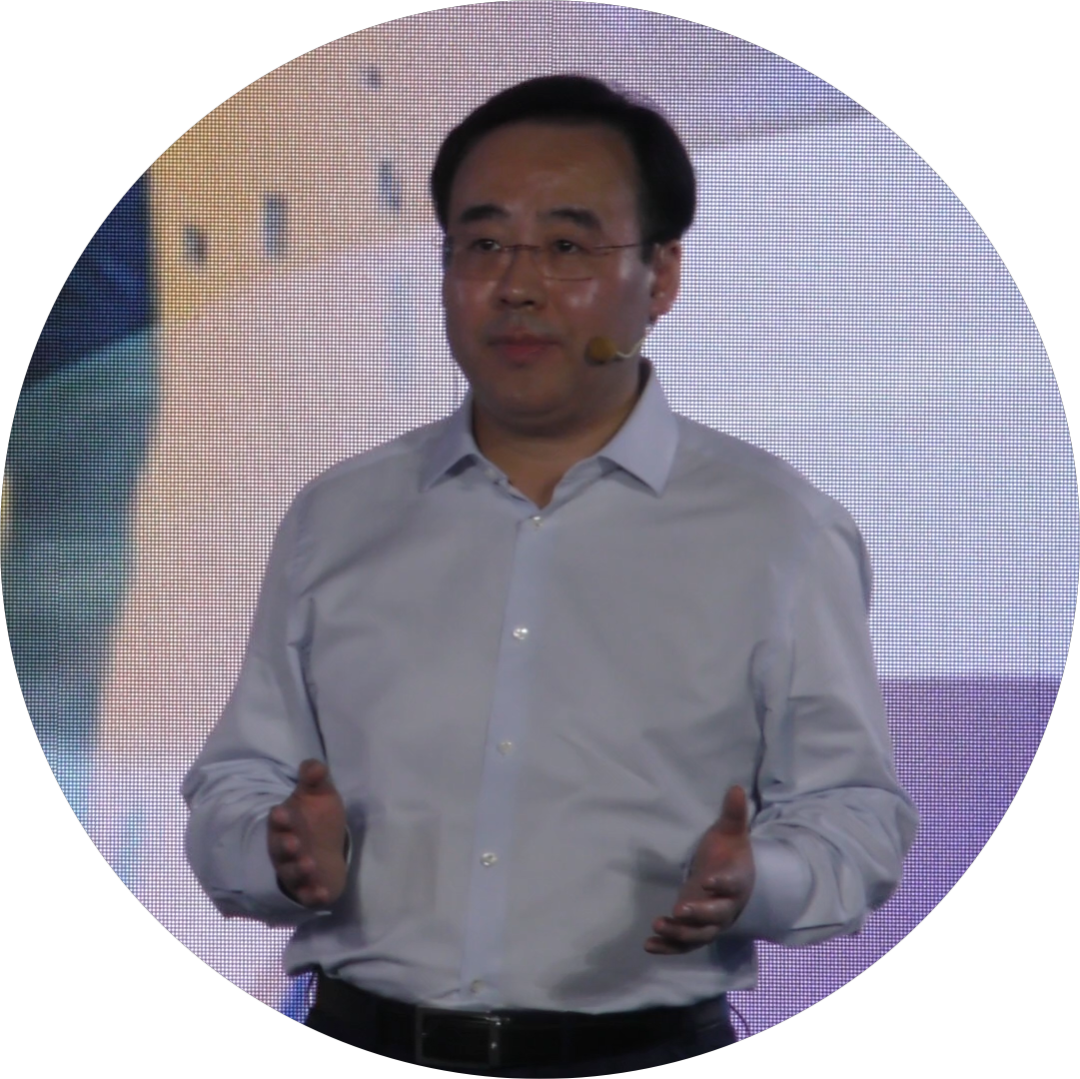
Chen Rui, Chief Executive Officer of Beili Beili:
Let the excellent traditional Chinese culture
Rooting and growing among “Treasure Boys”.
On B-station, there is a group of young UP masters who use cultural relics, music, dance and Chinese costumes as media to create a large number of Chinese-style video works. Why are there so many young fans of cultural heritage and traditional culture? In Xi'an, Shaanxi Province, at the launching ceremony of the “China in Bloom” theme campaign, Chen Rui, Chief Executive Officer of Beili Beili, shared with us the story of a group of treasured youngsters who are passionate about cultural heritage and dissemination.
According to Chen Rui, “In the past year, 274 million users have watched videos related to cultural relics, archaeology and traditional culture on B-station, with a total broadcast volume of 12 billion, and most of these videos were created by young UP masters.” The new generation of young people's love for cultural heritage and traditional culture is not superficial; they carefully research, study and understand the connotations behind cultural relics and the meaning behind traditional culture, and then interpret the beauty of civilization with modern expressions such as videos and animations. Multi-talented and enthusiastic to become the disseminator and successor of Chinese civilization, worthy of the “Treasure Boys”.
One of the users, Jiang Xunqian, traveled to Chushan County, Henan Province, to seek out local non-genetic inheritors and learn from them in order to create a real and stunning video of “iron flower beating” to showcase this ancient folk art. The original video not only has more than 10.8 million views, but also 1.56 million likes and comments, and the video creator has become the seventh generation of the Zhushan Iron Flower, helping the development of the inheritance of the excellent traditional culture through practical action. “The video quality is high enough and creative enough to make the audience feel that the cultural relics are beautiful and the traditional culture is beautiful, and that's what really makes the cultural relics come alive and makes the traditional culture on fire.” This is another important reason why Chen Rui points out that cultural heritage and traditional culture can be passed on and carried forward in the hands of Treasure Boys.
The original song “prosperity singing all over”, not only melodious, but also beautiful lyrics, cleverly strung into the lyrics of the name of the opera, by netizens. Similarly, the “Cultural Relics Umbrella Man” program creates image materials of guardians of cultural relics and ancient buildings through the video format favored by young users, so that more young people will pay attention to and participate in the guardianship of cultural relics. As Chen Rui said, “These treasures are the foundation for promoting traditional culture and spreading the beauty of civilization. As long as young people like, these cultural relics resources and traditional culture will certainly be able to continue, and the way to make young people like, is to let them understand and create their own, and spontaneously become a disseminator.”
Now with the confident treasure teenagers to join the video as an innovative carrier, cultural relics and cultural heritage of the multiple values to better explain the dissemination of Chinese outstanding traditional culture to better inheritance and development.
Launching ceremony, Beijing, Shanxi, Shanghai, Jiangsu, Zhejiang, Fujian, Shandong, Henan, Hubei, Hunan, Sichuan, Gansu and other places of cultural relics department and the Office of the Internet Information Office cross-border cooperation, the launch of the “Why China” online and offline linkage of relay communication activities.
The online thematic propaganda of “Shengshi China Why China” is jointly organized by the Network Communication Bureau of the Central Internet Information Office, the Department of Policies and Regulations, the Department of Cultural Relics and Monuments, the Department of Archaeology, and the Department of Museums and Social Cultural Relics of the State Administration of Cultural Heritage, the Internet Information Office of Shaanxi Provincial Party Committee, Shaanxi Provincial Bureau of Cultural Relics, the Xi'an Municipal Party Committee's Internet Information Office, the People's Daily Online, the Shaanxi Radio and Television Fusion Media Group, and organized by the News Center of China Internet Development Corporation. News Center and other contractors, supported by the China Internet Development Foundation. The Central Internet Information Office, the State Administration of Cultural Heritage, the People's Daily, the central news organizations, the central key news websites, local Internet information offices and cultural relics bureaus, commercial websites and other units responsible for the comrades in charge, as well as the Shaanxi side of the relevant comrades in charge, the main commercial website platforms, netizens on behalf of more than 200 people to participate in the launching ceremony.