

Participation of the staff of the Center for Cooperative Research and Archaeology of the Silk Road in the International Symposium “The Silk Road: the Sites of Talgarh and Kayalik as Part of the Chang'an-Tian Shan Corridor”.
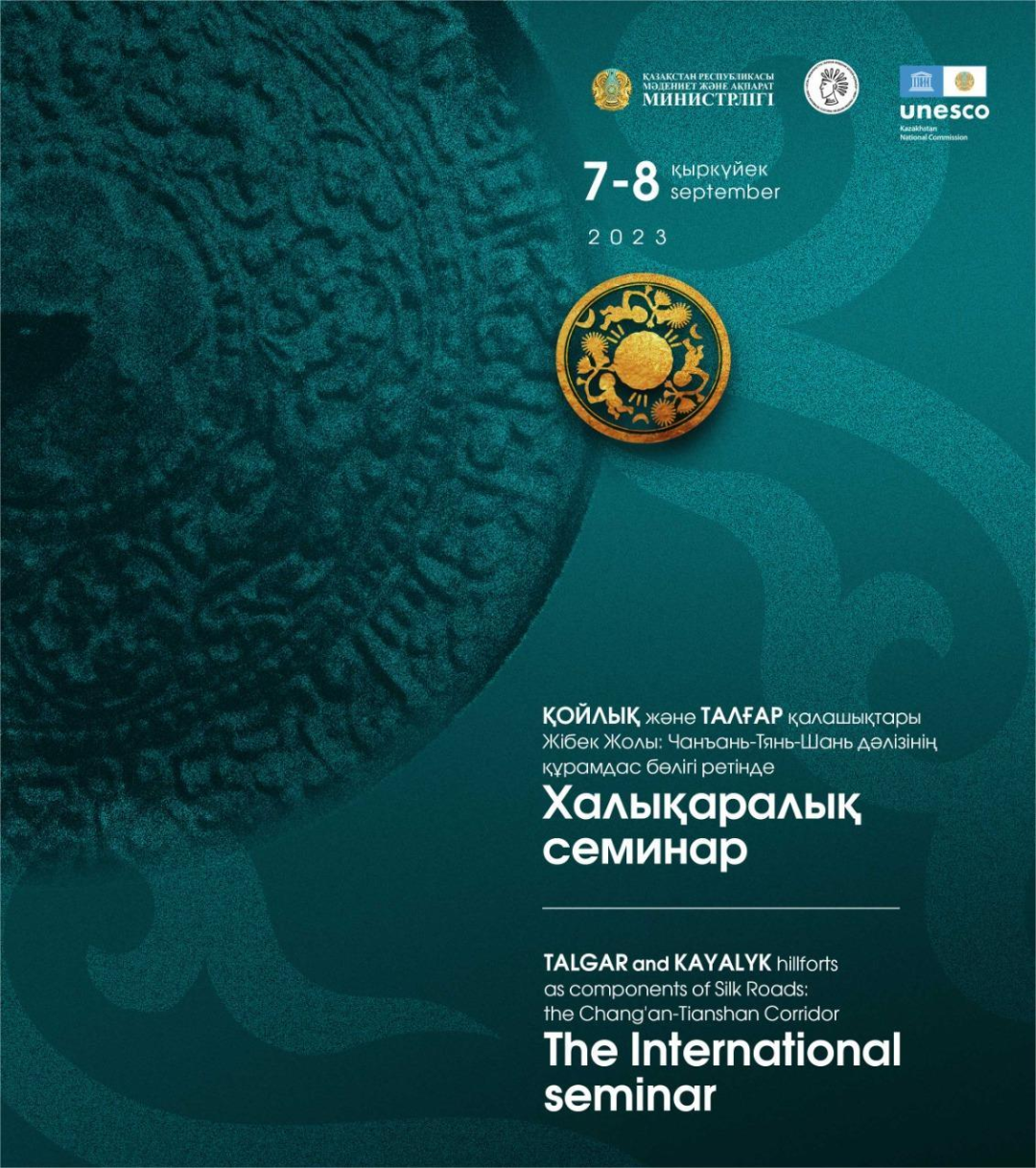
On September 7-8, 2023, the International Symposium “Silk Road: the sites of Talgar and Kayalik, part of the Chang'an-Tian Shan corridor” was held at the United Nations building in Almaty, organized by the Ministry of Culture and Education of Kazakhstan, hosted by the National Historical Museum and Reserve “Issyk-Kul”, with the support of the National Commission of Kazakhstan for UNESCO. -The International Symposium “Silk Roads: the sites of Talgar and Kayalik as part of the Tien Shan corridor” was held at the United Nations building in Almaty.
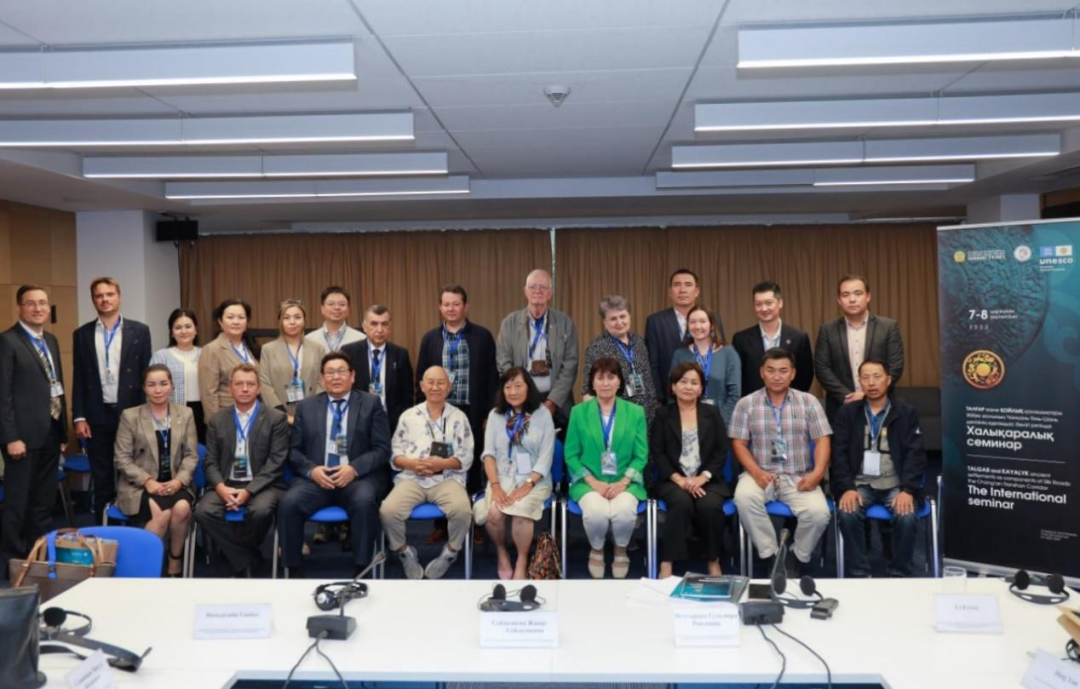
Group photo of participants
Nearly 20 experts and scholars in the fields of archaeology, conservation and cultural heritage from Kazakhstan, China, the United States, Russia, Mongolia, Kyrgyzstan, Uzbekistan and Tajikistan were invited to give presentations and discussions on the archaeology and conservation of the Silk Road monuments such as the Targaar, Khyalik and Issyk-Kersei tombs, the archaeology and surveys in the Targaar River Basin, and the results of the transnational joint nomination of the Silk Road in Central Asia to the World Heritage List. The experts made a special report and discussion on the archaeology and conservation of the Silk Road monuments such as the Talgarh River Basin, the archaeology and survey of the Talgarh River Basin, and the results of the transnational joint submission of the Silk Road in Central Asia to the World Heritage List. Participating experts visited the Talgar site, as well as the Issyk-Kul Cypriot tombs and Lahat site jointly excavated by the Issyk-Kul Museum and Shaanxi Provincial Institute of Archaeology. Dr. Li Erwu, Class of 2021, and Researcher Ding Yan, leader of the Sino-Kazakh Joint Archaeological Team of Shaanxi Provincial Research Institute of Archaeology, were invited to participate in the meeting and give academic reports.
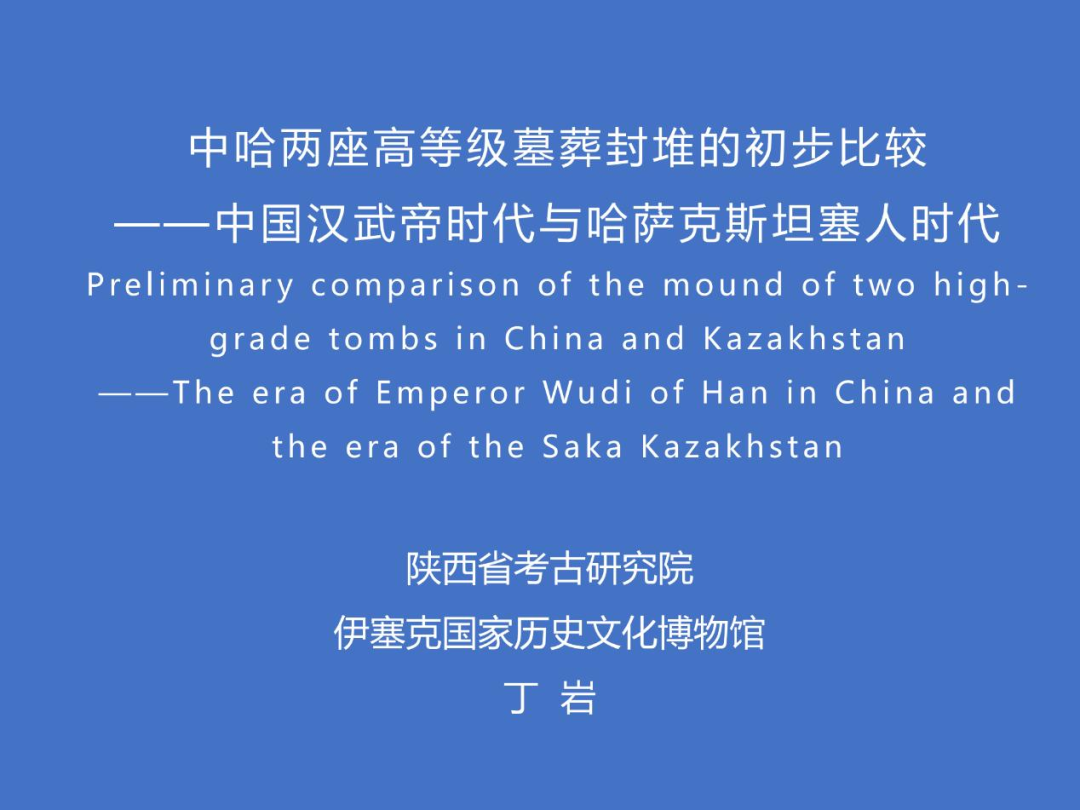
“A Preliminary Comparison of Two High-Grade Burial Seals in China and Kazakhstan - The Han Wu Di Period in China and the Cypriot Period in Kazakhstan”
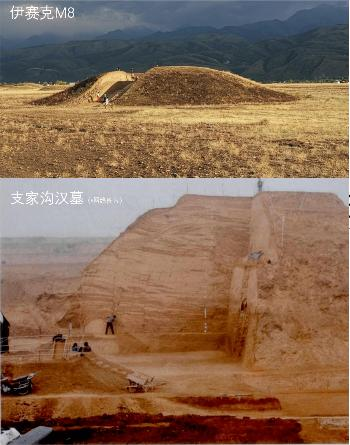
Photographs of the excavation site of the two tombs
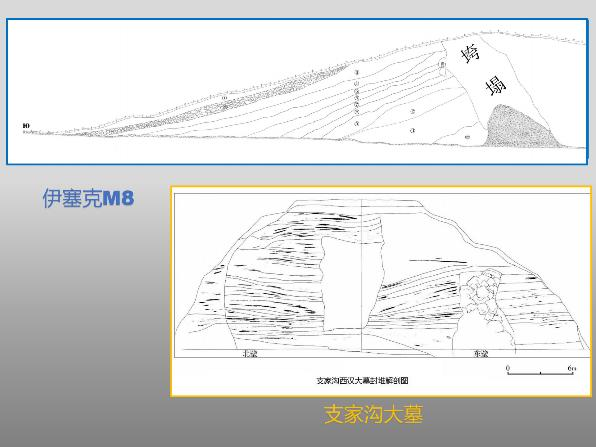
Line drawings of the two tombs in section
Ding Yan, a researcher, compared the sealing piles of the Western Han Tomb in Zhijiagou, Shaanxi Province, and M8 of the Issyk-Kul Tomb, which is currently under excavation, in terms of the era, morphology, construction method, chamber shape, burial furniture, and ground appurtenances, etc., and concluded that both sealing piles have the significance of iconicity, commemorative and aristocratic identity, and the walls or stone circles of the two are the boundaries; based on the differences in the geographic environments, ways of livelihood, and cultural traditions, the morphology and constructions of the two piles show different ways. Based on different geographic environments, modes of livelihood and cultural traditions, the two sealed piles show different forms and constructions, and their commonalities and differences reflect the living environments and cultural traditions of their respective populations. In addition, after two large-scale excavations of M8, the robbed holes were intentionally backfilled, which is consistent with the tradition of protecting tombs in China throughout the ages, reflecting the common sense of protection of the people in the two places.
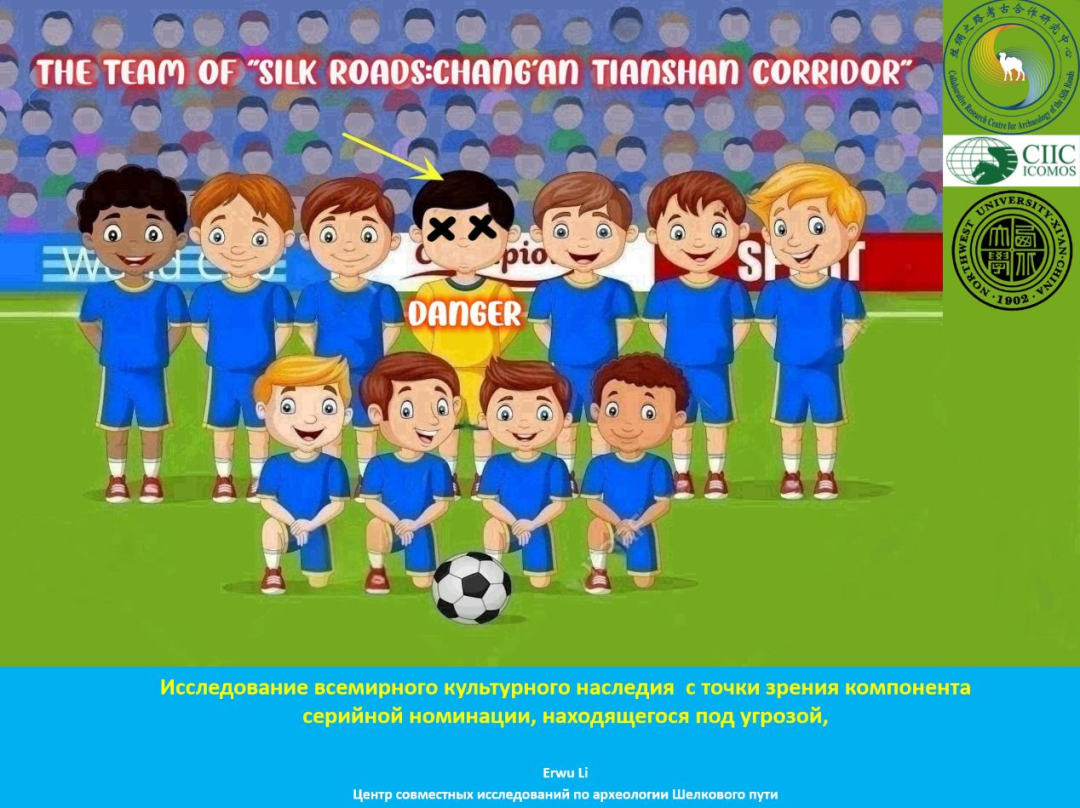
“Endangerment Study of World Heritage Sites in the Perspective of the Endangerment of the Heritage Components of the Series”
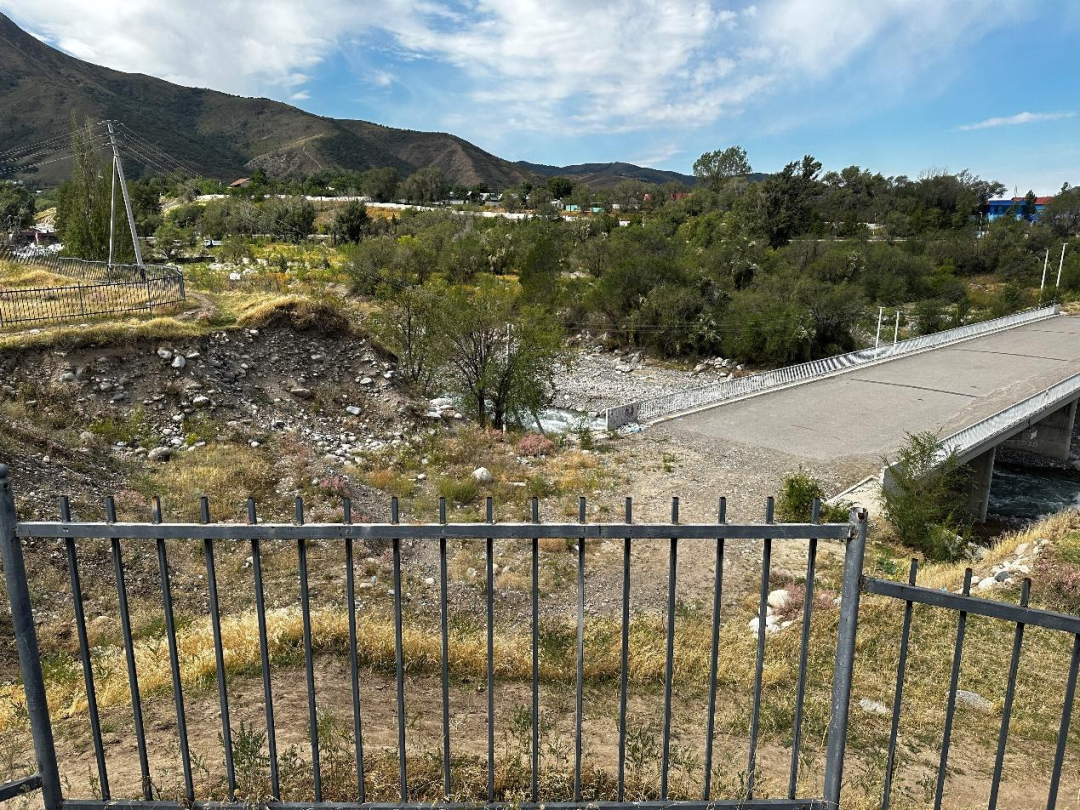
Planned road through the Talgarh site (work stopped)
Mr. Li Erwu gave a lecture entitled “Endangerment Study of World Heritage Sites in the Perspective of the Endangerment of Components of the Serial Heritage”. Taking the construction of the planned road through the Talgar site in Kazakhstan in 2015-16 as a starting point, the study analyzes whether the heritage as a whole should be put on the endangered list under the premise of irreversible damage to a single point of heritage from the perspectives of construction of series of heritage, cultural routes, heritage corridors, authenticity, integrity, attributes of value (Attributes), Outstanding Universal Value (OUV), and so on. Theoretical analysis of whether the heritage as a whole should be listed as endangered in case of irreversible damage.
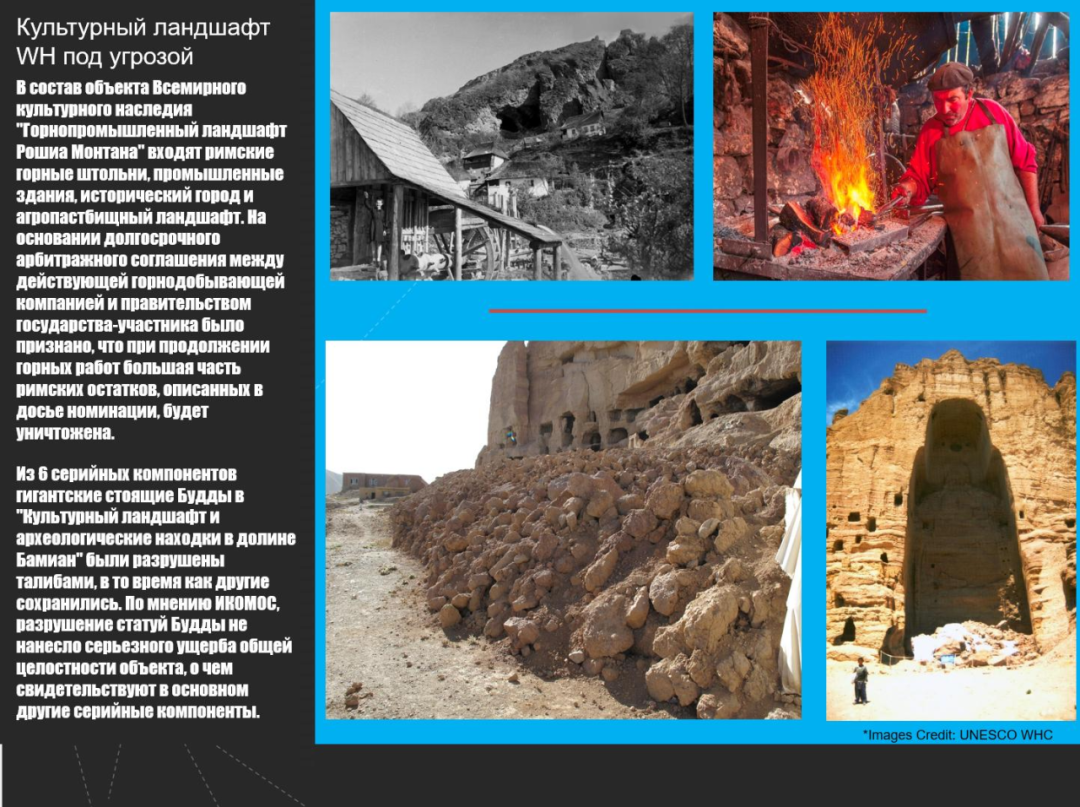
Mining Landscape of Rosia Montana, Cultural Landscape and Archaeological Remains of the Bamiyan Valley (Endangered)
Based on the theory, the study further refers to the two endangered Cultural Landscapes World Heritage properties, namely the Mining Landscape of Rosia Montana and the Cultural Landscape and Archaeological Remains of the Bamiyan Valley, as well as the two endangered Historic Townships properties, namely the Historic Center of Shahrizuboz and the Historic Center of Vienna, to analyze the actual cases in which the contexts in which a series of components have suffered or are likely to suffer have resulted in the inclusion of the properties as a whole in the category of endangered.
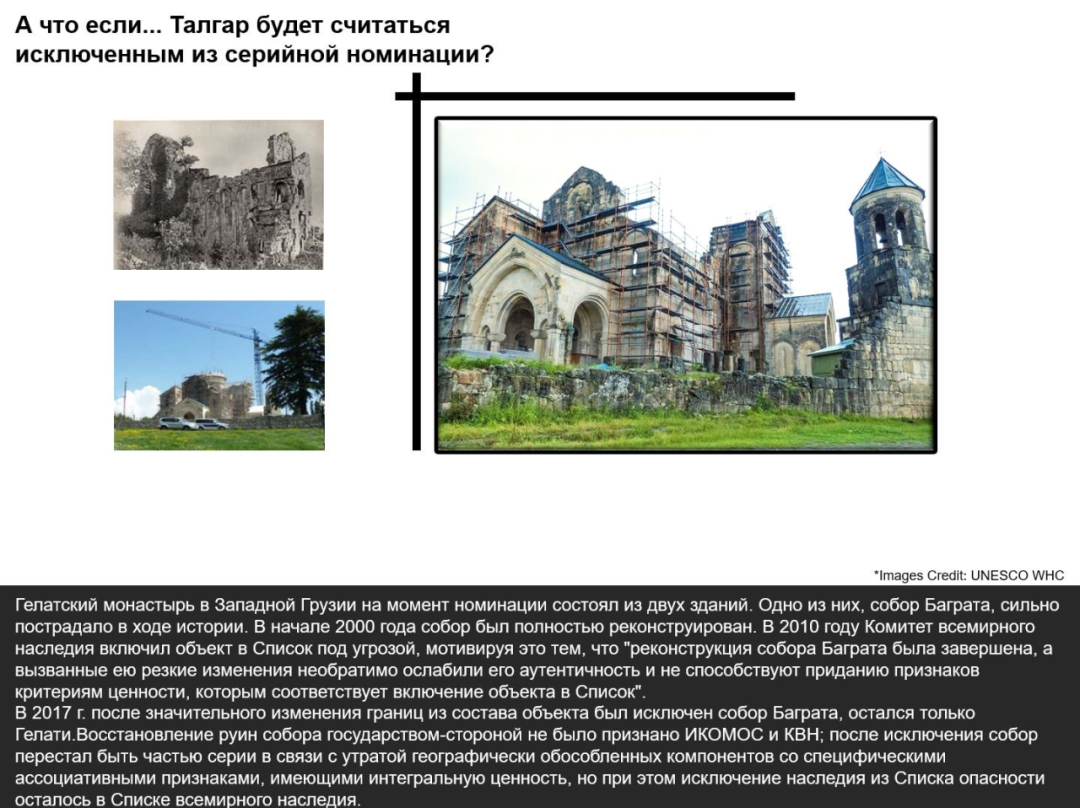
Grati Monastery Removed from Endangerment by Major Revision of the Heritage Boundary
Based on the premise that a single point of endangerment can result in the endangerment of the entire Silk Road Cultural Route series, the study introduces the case of the Grati Monastery, where the State Party removed the endangered part through a Significant Boundary Modification after the loss of the value attributes of the series of components due to their complete reconstruction, and the case of the Historic Center of Shahrizuboz, where the World Heritage Committee (WHC) and ICOMOS removed the endangered part after the irreversible transformation of the whole of its property. and the case of the World Heritage Committee (WHC) and the International Council on Monuments and Sites (ICOMOS) recommending to the State Party to carry out a boundary modification or to select representative monuments for re-nomination after the irreversible total transformation of the Shahrisubetz Historic Centre, to analyze further the situation that the Silk Roads World Heritage Site may face in case of endangerment.
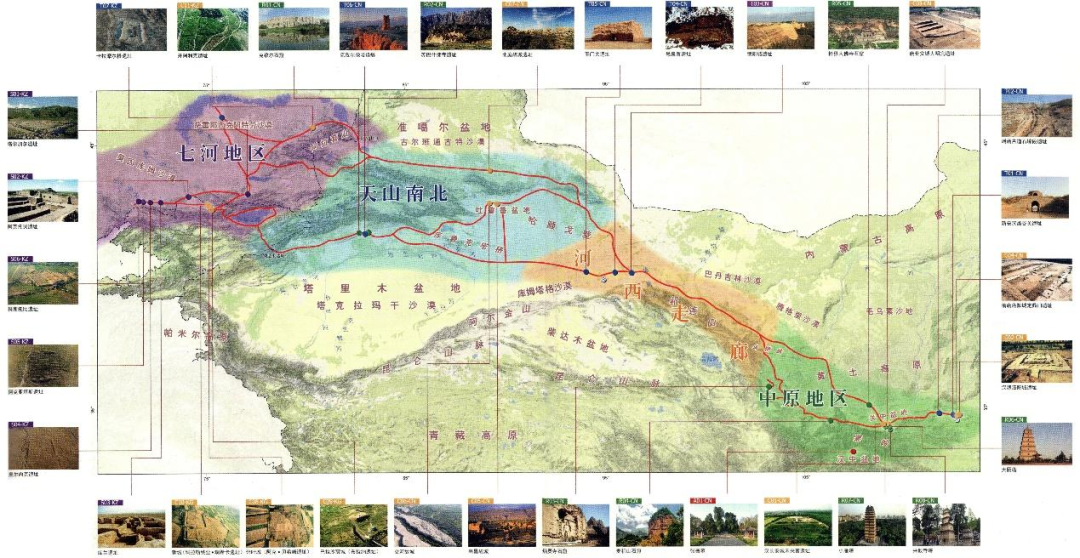
Silk Road: Road Network of Chang'an-Tianshan Corridor Transnational Series World Heritage Schematic Map
(Copyright: Institute of Architectural History, China Construction Technology Group)
The study points out that the problem of Talgarh is a reflection of the difficulties of the State Party governments in balancing the protection of the heritage and its benefits to the people in the pursuit of sustainable development of the Silk Road: Road Network of the Chang'an-Tian Shan Corridor Transnational World Heritage Series. As administrators, the governments of the three countries should communicate with WHC and ICOMOS in a timely manner before making major decisions in order to find the best solutions; at the same time, as transnational projects, the three countries should make use of the existing platforms to enhance the contact and joint discussion. After decades of exploration, China has accumulated a lot of experience, and in recent years, there have been some successful cases in which the protection of major heritage sites and the benefits of the people have been taken into consideration at the same time. These concepts and experiences of heritage conservation with Chinese characteristics can be shared with Central Asian countries to assist them in exploring and practicing the conservation and management of World Heritage Sites through intellectual support and technical consulting, so as to join hands to protect our common cultural heritage of the Silk Road.