

The world's top 10 archaeological discoveries of 2023 are revealed!
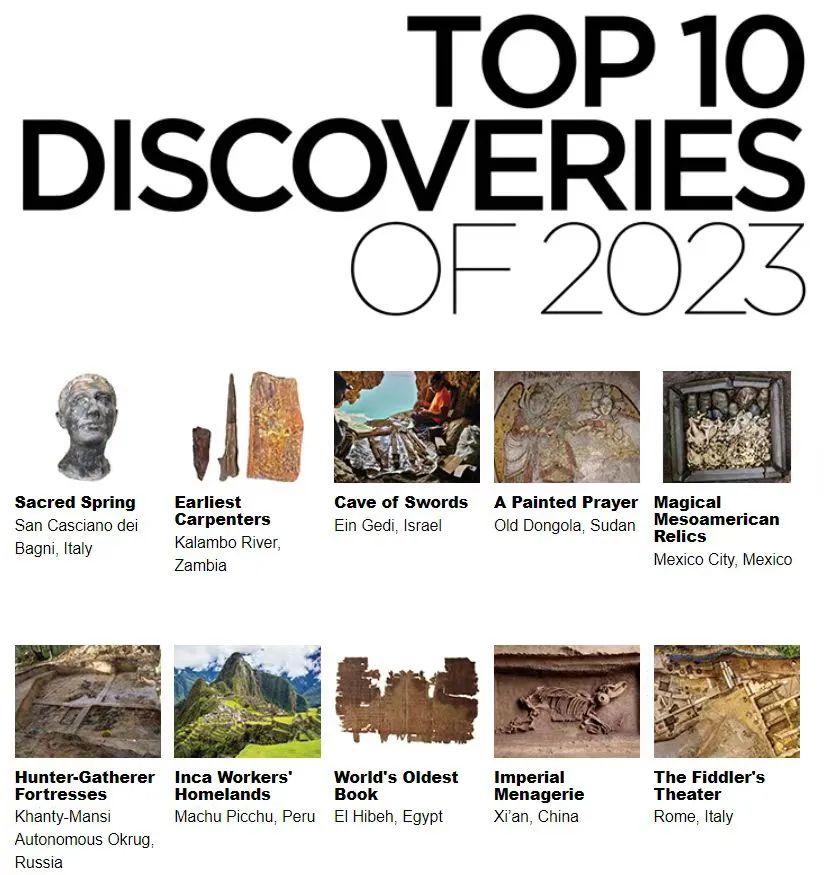
Archaeology is a bimonthly archaeological journal for the general public, organized by the Society for American Archaeology, and has been published continuously for more than 70 years. Since 2006, the magazine has been selecting the world's top ten archaeological discoveries of the year in December of each year, which has had a large global impact. Recently, the first issue of the magazine's new 2024 edition selected the world's top 10 archaeological discoveries of 2023, and the animal martyrdom pits found in the Baling Mausoleum of Emperor Han Wendi in Xi'an, Shaanxi Province, were selected, and the following is a detailed introduction of the selected items.
Text|Associate Researcher Liu Bin
Luoyang Institute of Archaeology

2,300-Year-Old Bronze Sculpture Discovered in Sacred Pool of Tuscan Spa, Italy
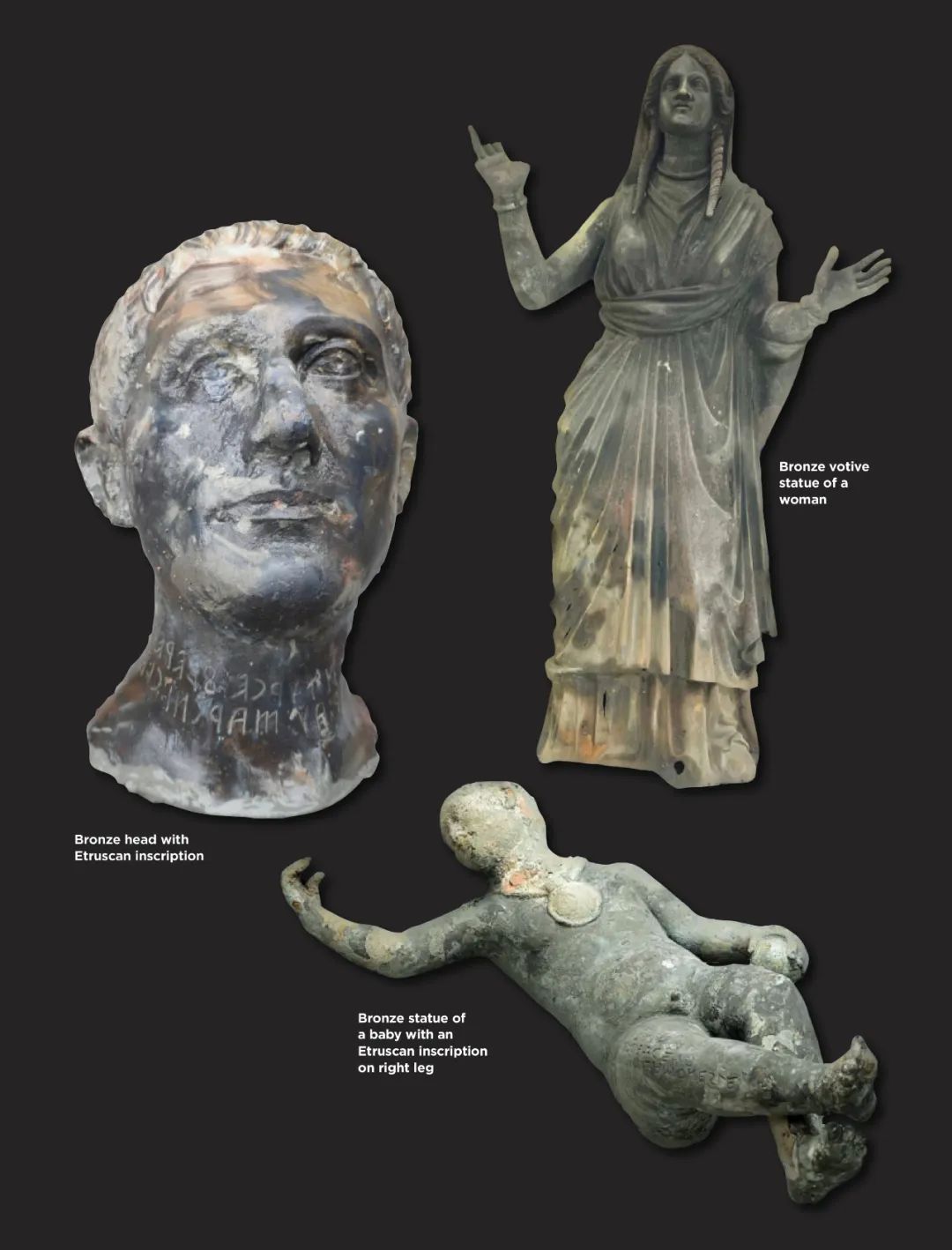
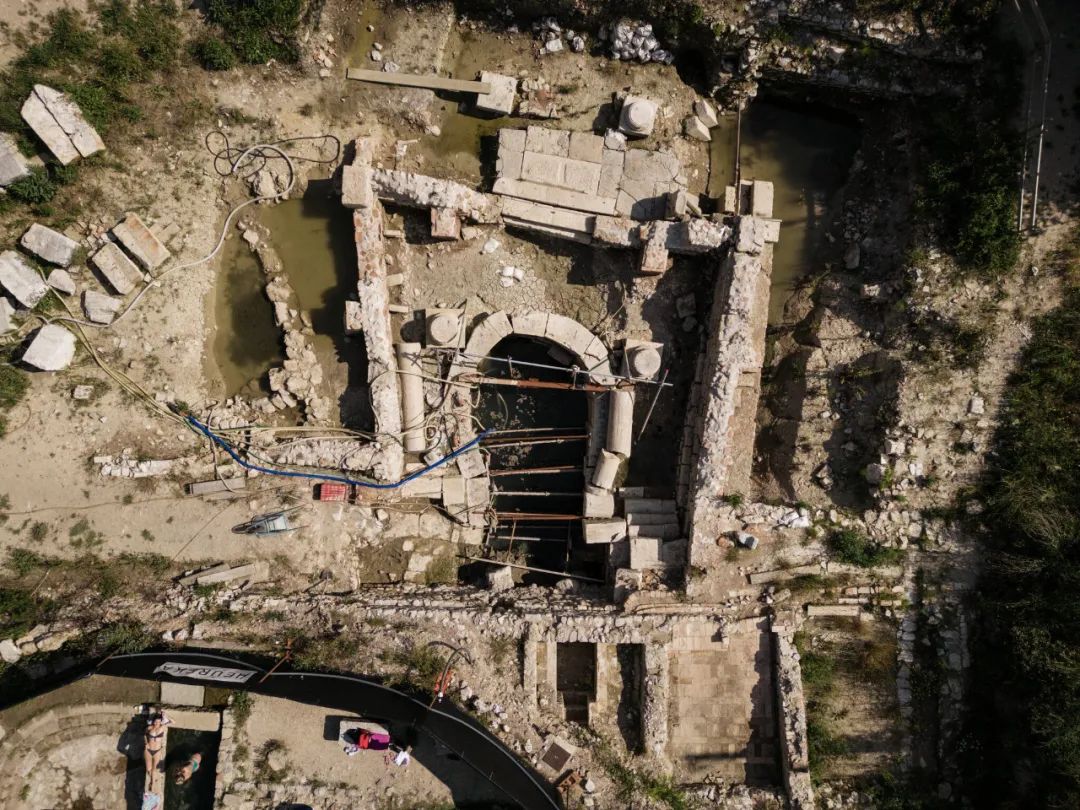
Excavations at the Holy Pool began in 2019, and the first artifacts were discovered in 2020, including inscriptions, altars, and small bronzes.From June-October 2023, archaeologists conducted their annual excavation of the Holy Pool, which revealed a large number of valuable artifacts. The artifacts, most of which date from the second century B.C. to the first century A.D., are return offerings collected in the Holy Pool, which was part of the Temple and used for rituals in various forms for more than 700 years.
Lightning struck the hot springs at the site around the first century AD, and for centuries the hot springs there were regarded as a sacred pool by the Etruscans and Romans. They buried hundreds of ritual offerings that pilgrims had brought with them over the years at the spot where the lightning had struck. This ancient ritual was known as the Thunderbolt of Burial, in which the buriers would seal and bury statues and other artifacts under a layer of terra cotta bricks objects and mark them as sacred. The offerings were mainly copper coins and plants until the fourth century A.D. After Christianity became the official religion of the Roman Empire, the Temple was dismantled and the offerings were buried again until the current rediscovery. These discoveries have provided insights into the practice of ancient medicine. The excavators believe that “Etruscans, Romans, Christians and pagans” all believed the waters had healing properties. “This is a place where healing, culture and medical knowledge meet.”
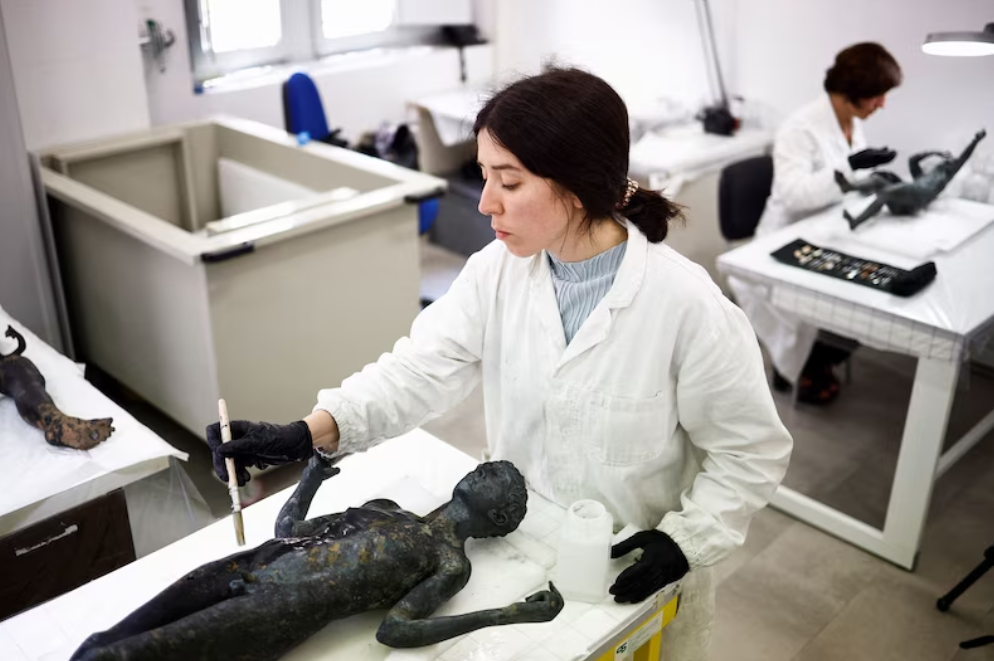
Some bronzes are still being restored, but many of the better preserved bronzes are on display. The exhibition hall displays bronzes of arms, feet, ears and other body parts reflecting the various ailments treated at the hot spring baths. Twenty-four bronze sculptures dating from the second century B.C. to the first century A.D. were recovered from the hot spring silt. Some of the statues are dedicated to the gods Apollo, Asclepius, Hygieia, Isis and Fortuna Primigenia, all of whom were associated with health and healing. Many of the bronzes are of body parts-feet, hands, ears, and even internal organs, including the womb and entrails-or figurines of babies, children, the elderly, and deities that were offered as sacrifices to the healing gods worshipped at the site. Other statues represented male and female gods and goddesses, as well as men, women and children wrapped in swaddling clothes. Whether they were left behind as a prayer for healing or to return a favor is not clear.
Today, hot springs are still used for their therapeutic properties in public spa baths and private spa resorts near archaeological sites.

500,000-Year-Old Heidelberg Man Wooden Structure Discovered in Zambia's Kalambo River
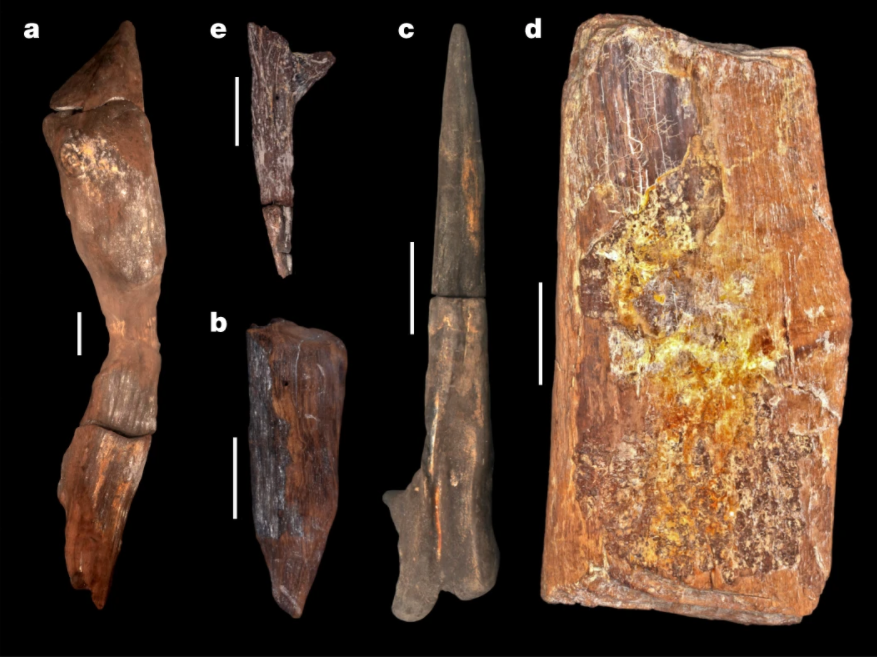
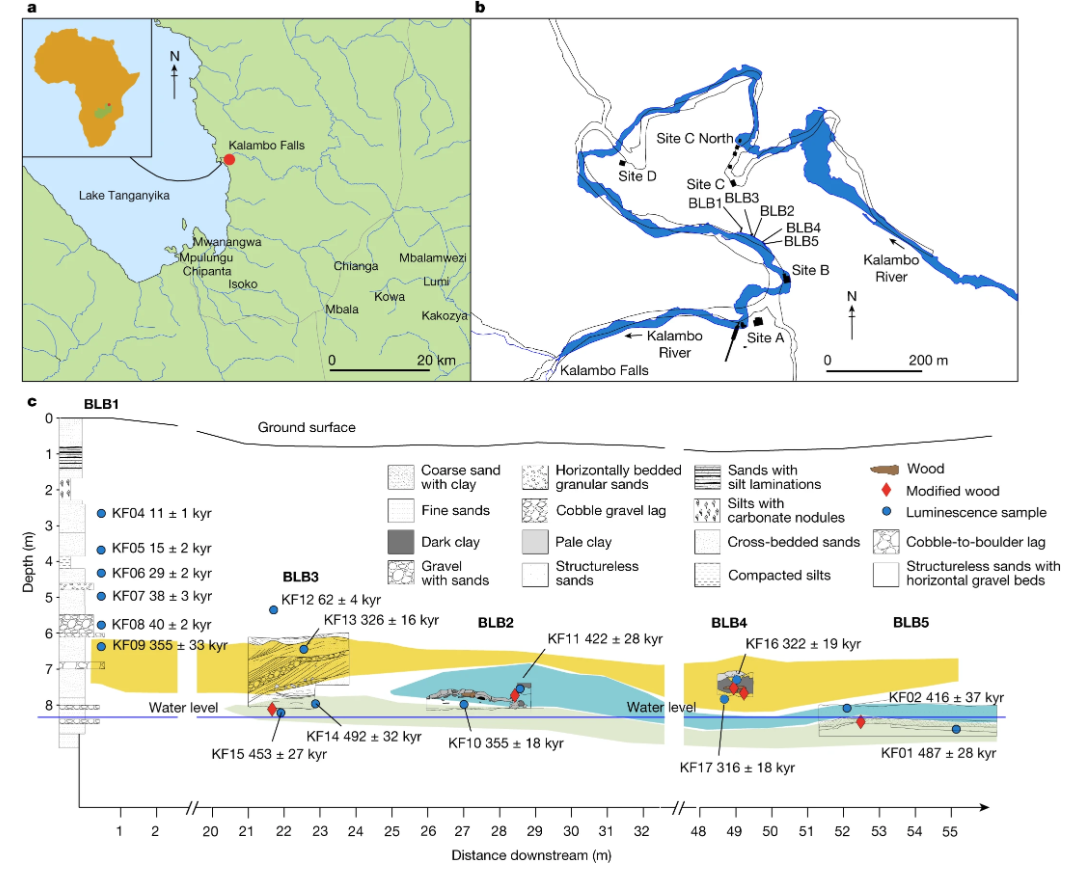
In 2019, a team led by Larry Barham, an archaeologist at the University of Liverpool, discovered this pair of interlocking logs connected by a man-made cut notch on the banks of the Kalambo River in Zambia. The researchers believe the logs may have been part of a walkway or platform on a wetland. Prior to this discovery, the oldest known surviving wooden structure was built about 11,000 years ago by people living in northern England.
The 476,000-year-old log structure predates the appearance of the first modern humans by about 150,000 years and is likely the work of ancient humans, the Heidelbergers. Heidelberg Man was the common ancestor of Homo sapiens and Neanderthals and lived between 200,000 and 700,000 years ago. Human remains have never been found at the Kalambo Falls site, but Heidelberg Man skulls had previously been found in Zambia.Researchers in the 1950s and 1960s also found wooden and stone artifacts at the site that may have been tools. At the time, technology was unable to date these relics in absolute terms. Paleoanthropologists believe that the Heidelberg people were highly mobile. Therefore, it is very surprising that they would have invested their labor in building a semi-permanent structure.
At the same site, the team unearthed stone axes and four wooden tools dating from 390,000 to 324,000 years ago. These included a dug stick, a wedge, a notched stick, and a flattened log with markings most similar to tool notches found on wooden platforms, where Heidelberg Man carpenters may have constructed other wooden structures.
Research article published in Nature:Barham L, Duller G A T, Candy I, et al. Evidence for the earliest structural use of wood at least 476,000 years ago[J]. Nature, 2023: 1-5.

1900-year-old Roman sword found in Israel
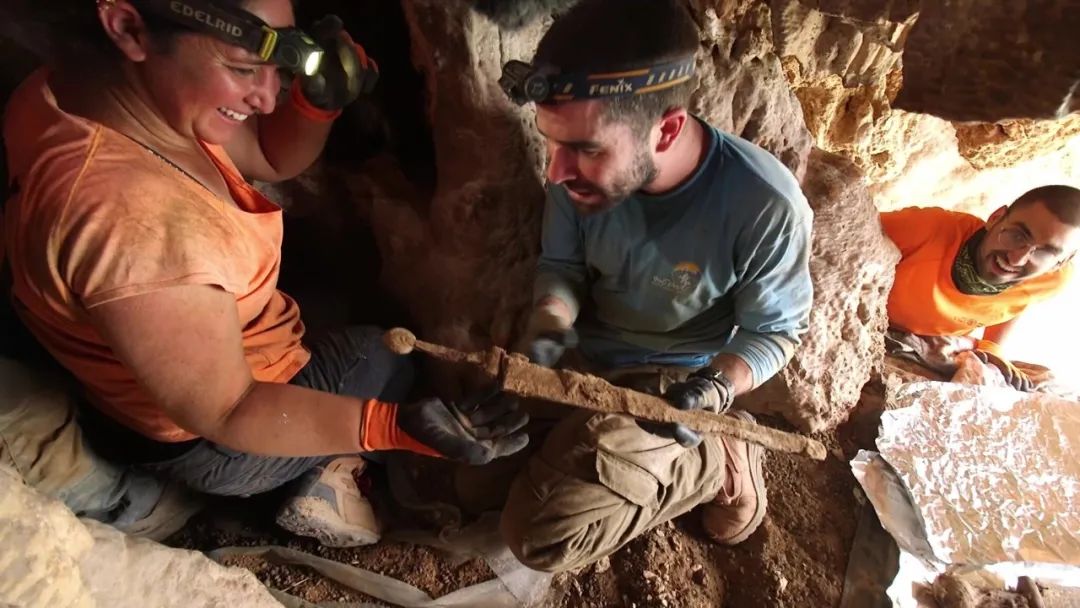
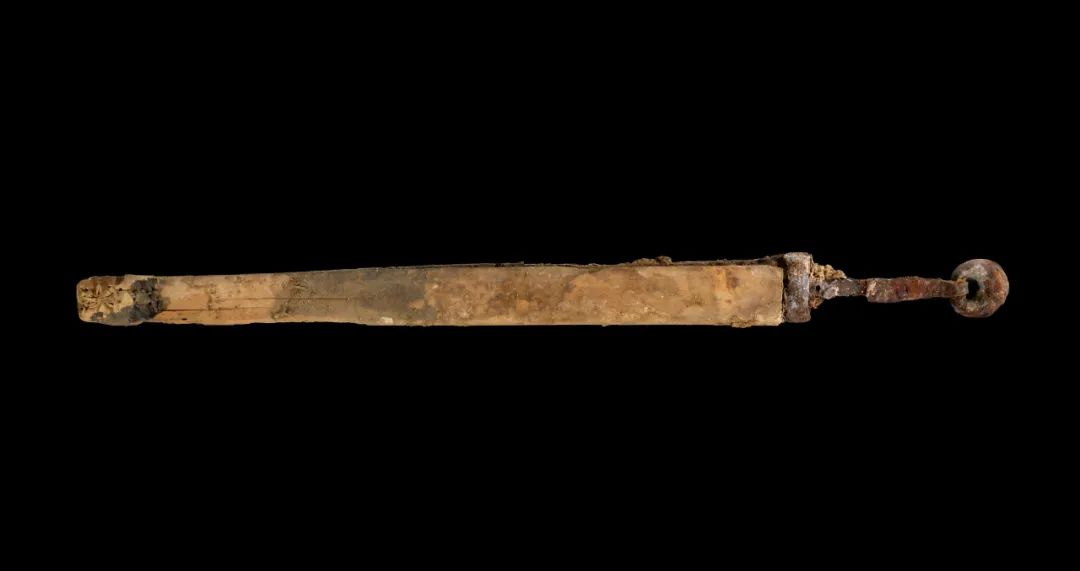
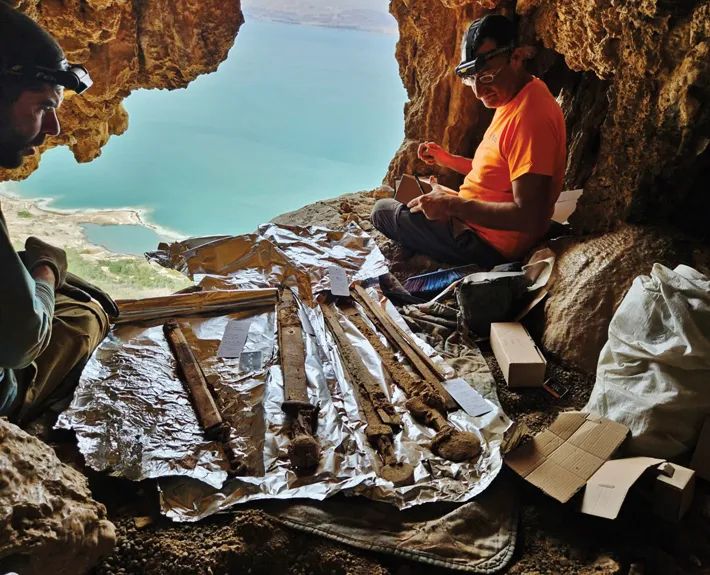
In a cave near the ancient settlement of Ein Gedi on the shores of the Dead Sea, archaeologists from the Israel Antiquities Authority have discovered four extremely well-preserved iron swords. Just getting to the cave was a challenge for the investigators, as it is located about 500 feet above the face of a remote cliff. Approaching the swords required going deep into a narrow crevice in the upper part of the cave. The three longer blades, measuring between 17 and 25 inches, were spatulas, which replaced the shorter swords as the primary weapons used by Roman cavalry and infantry units. The shortest weapon was the ring-saddle sword, which was also commonly used by Roman soldiers stationed in the ancient province of Judea from the first century AD. Three of these weapons were still wrapped in their original wooden scabbard sheaths.
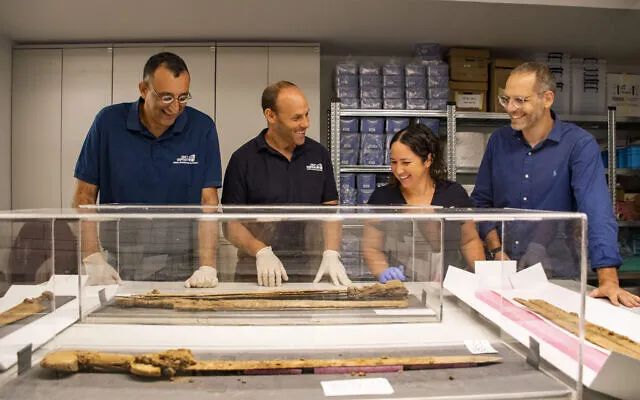
It is not known why the swords were hidden in the cave, although a coin found near the entrance may provide some clues. The bronze coin bears an inscription that reads “For the freedom of Jerusalem” and may date back to 134 or 135 CE. This coincides with the Bar Kochba revolt, in which Jews rebelled against Roman rule. Researchers believe that local rebels may have taken the swords from Roman soldiers and hidden them in a secret location.
The cave survey, which began in 2017 to investigate archaeological remains in the caves, has already helped archaeologists discover at least 20 new, unknown caves.2021, archaeologists discovered that one of the caves housed previously undiscovered fragments of the Dead Sea Scrolls, some 60 years after the last of them were found.

Medieval Christian Painted Frescoes Discovered in Sudan
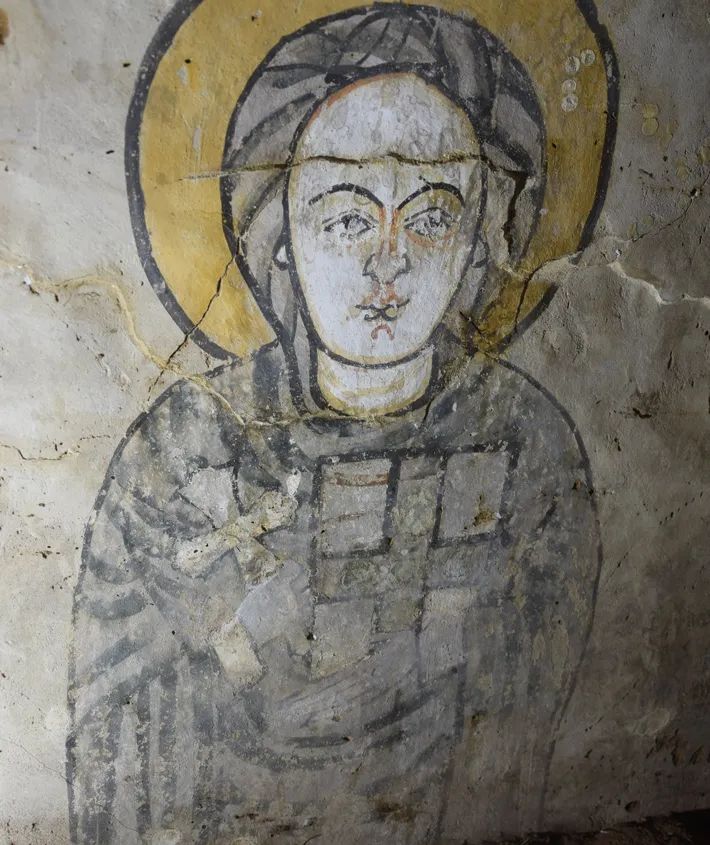
A team from the Polish Center for Mediterranean Archaeology at the University of Warsaw discovered the frescoes at the medieval monastery of Old Dongola, along the Nile River, more than 500 kilometers north of Khartoum, Sudan. The team was investigating a building from the Phongi period (16th to 19th centuries AD) and found a well-preserved church with intricately structured chambers beneath the ground, containing painted frescoes and inscriptions in Greek and ancient Nubian. The location of the complex adjacent to the Cathedral of Jesus makes it possible that it was a royal monumental complex or the tomb of an important person. The nature of this find, in such a limited space and at such a high altitude, suggests that it was not a simple dwelling, but a structure with a specific function and purpose.
On the wall of one of the rooms - a narrow arched space only three feet wide and nine feet long - archaeologists found several unorthodox paintings that they believe date back to the thirteenth century. One of the paintings depicts the Virgin Mary. Another depicts a scene in which the archangel Michael takes a Nubian king in his arms and offers him to Jesus, who sits on a cloud and holds out a hand for the king to kiss. “This is completely uncommon in Byzantine Christian art, which does not usually show a lot of interaction or contact between mortals and gods,” said team leader Artur Obłuski. .
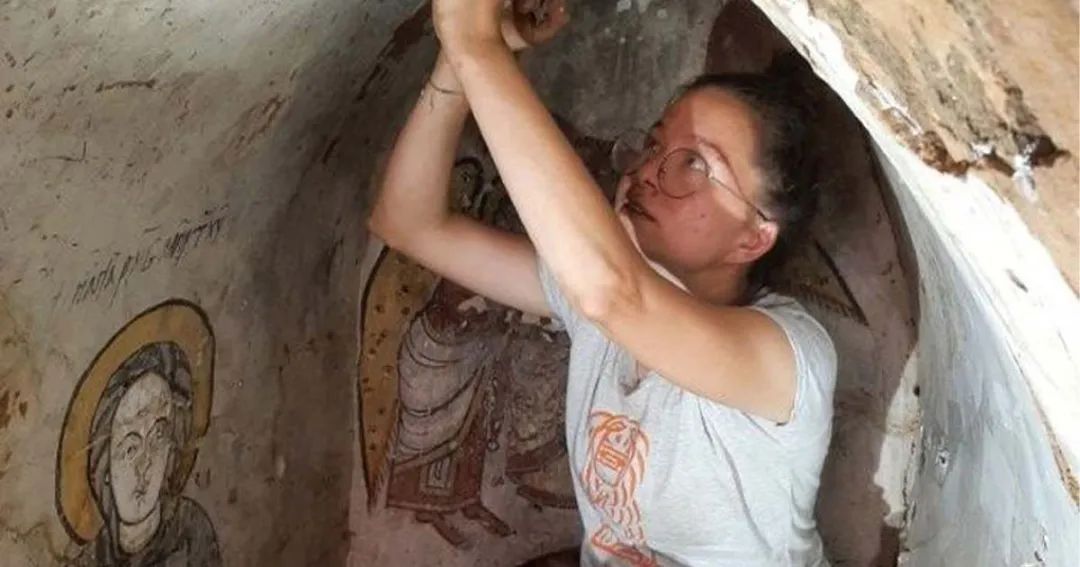
The researchers suspect the image is linked to a defining moment in Macuria's history. Several of the ancient Nubian inscriptions that accompany the scene mention a king named David and plead for God's protection of the city, Obłuski said, adding that the painting likely depicts the Nubian king David, who, for unknown reasons, launched an offensive against the Mamluk sultanate in Egypt in the late 13th century. Despite some initial successes in the campaign, in 1276 the Mamluks counterattacked vigorously and advanced toward the Eastern Golan, Obłuski said, adding, “As the Mamluk army approached, I see this mural and inscription as a prayer, an invocation to God.” “At this moment, the king prayed to God to protect his beloved city, the city of Dongola.” This request was not granted, as the Mamluks sacked Dongola and eventually captured and executed King David.
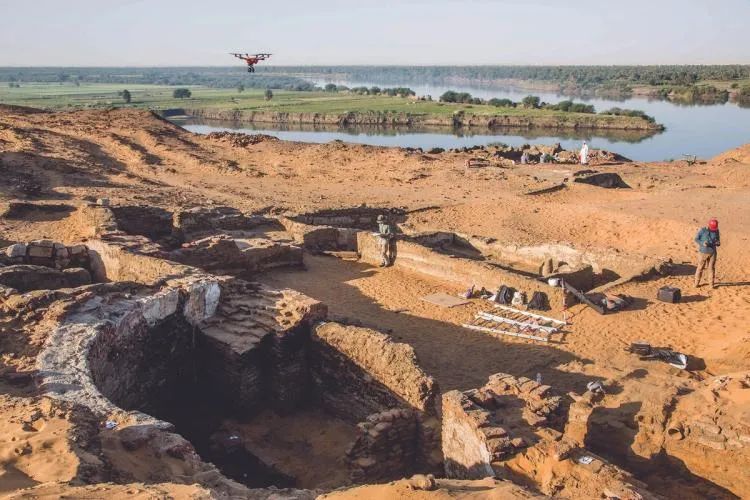
Old Dongola, also known as Tungul in ancient Nubian, was the capital of Macuria, one of the most important states in medieval Africa. By the end of the sixth century, it had converted to Christianity. However, Egypt was conquered by Islamic armies in the seventh century. According to the PAP, Arab armies invaded in 651, but were repulsed and the Treaty of Bakert was signed, establishing a relative peace between the two sides that lasted until the 13th century.
The Polish Center for Mediterranean Archaeology at the University of Warsaw had found 8th-9th century frescoes at the ruins of the Basilica of Jesus here in 2016.

Ritual stone figures found at great Aztec temple in Mexico
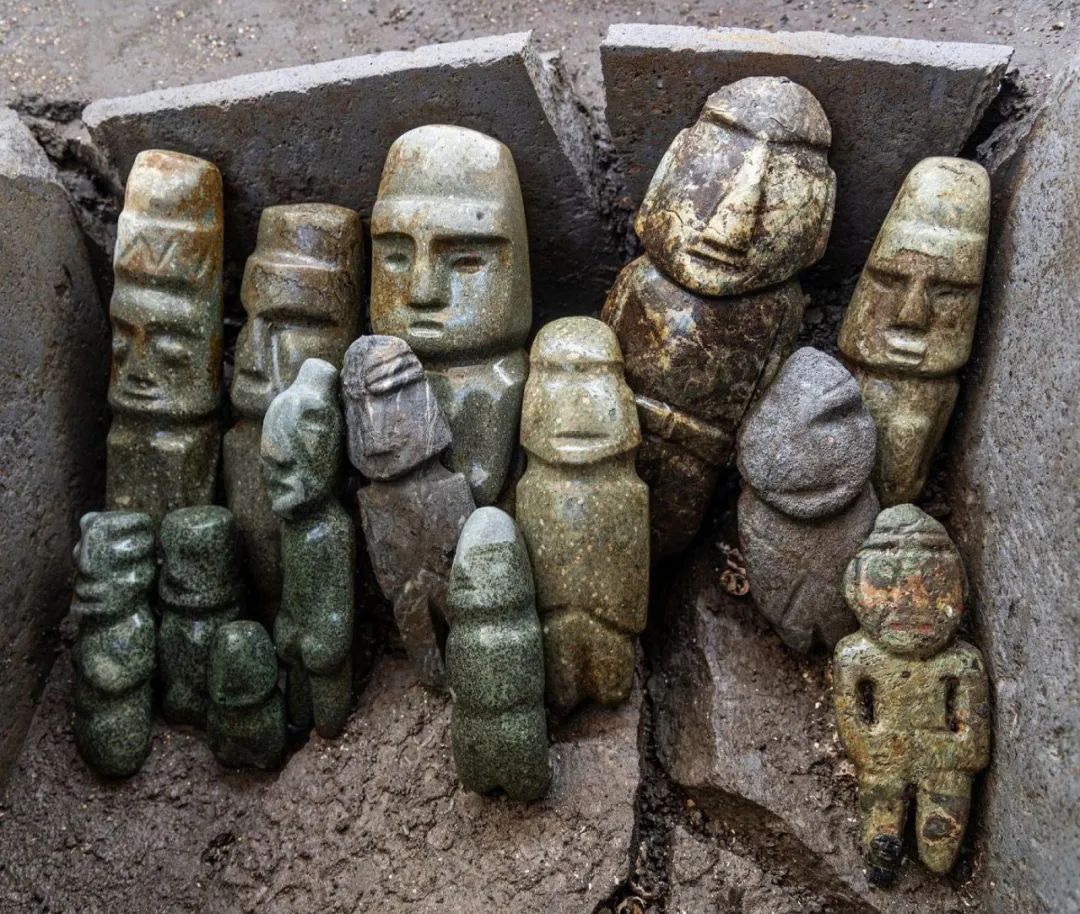
The Great Temple was the centerpiece of the temple complex at Tenochtitlan, the capital of the Aztec Empire. Known as “huey teocalli” in Nahuatl, the temple was dedicated to Huitzilopochtli, the god of war, and Tlaloc, the god of rain and agriculture. The construction of the temple began after 1325 AD, but was destroyed by the Spanish after the conquest of Tenochtitlan in 1521 AD. The present archaeological site is located in the northeast part of the Zocalo or main square of Mexico City, at the corner of what are now Seminario and Justo Sierra streets.
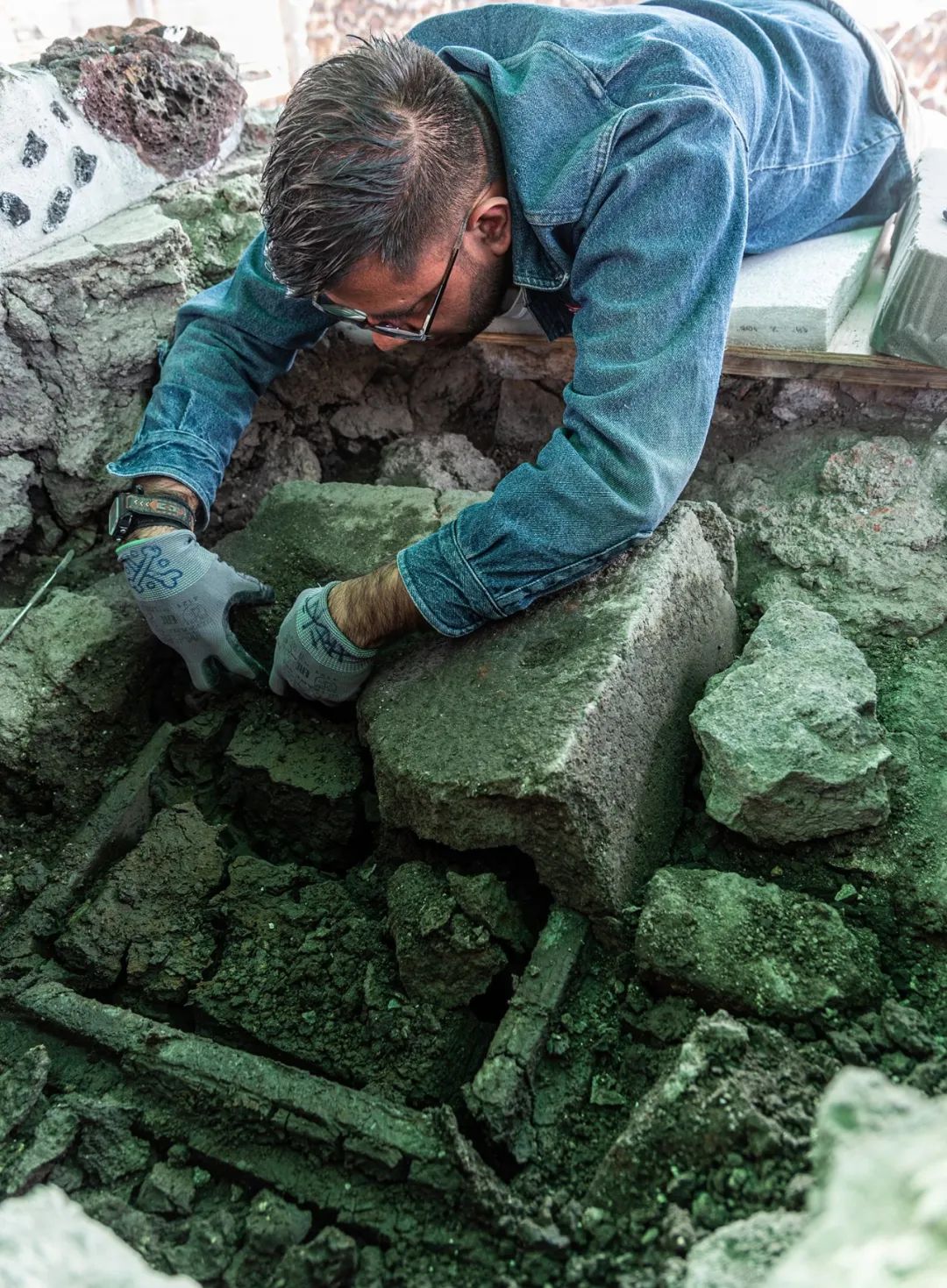
Archaeologists excavating the Grand Temple discovered a stone box known in Nahuatl as a tepetlacalli. Inside the box, they found 15 well-preserved figures made of serpentine, as well as Aztec symbols of water and fertility, such as sea sand, a pair of scepters in the shape of rattlesnakes, hundreds of greenstone beads, as well as shells, snails and coral. The stratigraphy where the stone box was found dates back to 1454 A.D. In the mid-15th century, Montezuma I vigorously expanded the Aztec empire, and the Mexica conquered the region. By that time, the Mescala culture had long since disappeared, but the Mexica treasured their artifacts so much that they even excavated ancient ruins in search of Mescala sculptures. The Mosscala statues found in the Great Temple, some of which were more than 1,000 years old at the time they were plundered by the Aztecs, were brought to Tenochtitlan from about 200 miles away, and the figures were carefully arranged in stone boxes, facing south.
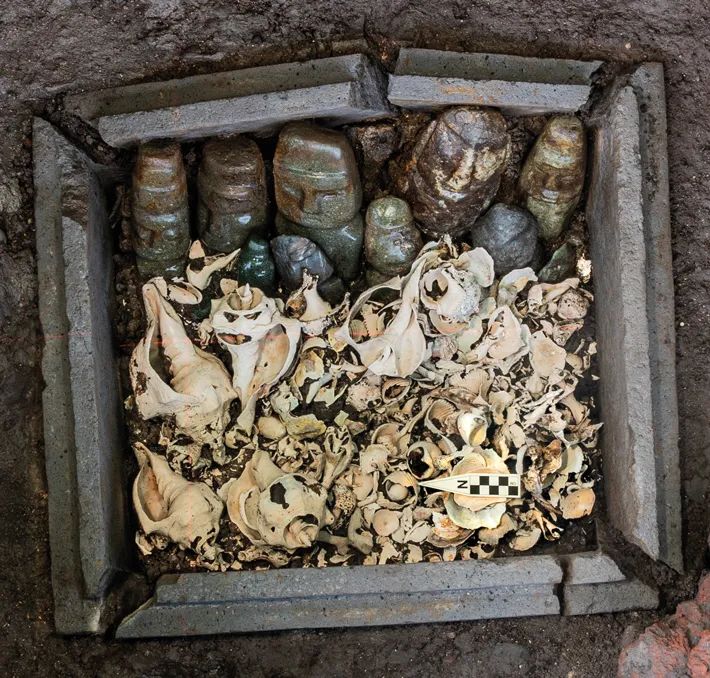
These types of statues were usually made around 500 BC to 680 AD by the Mosscala people, who lived in an area of what is now the state of Guerrero in southwestern Mexico. In their most sacred spaces, the Aztecs decorated these objects with paint and held them on their chests as offerings to their rain god, Tlaloc.

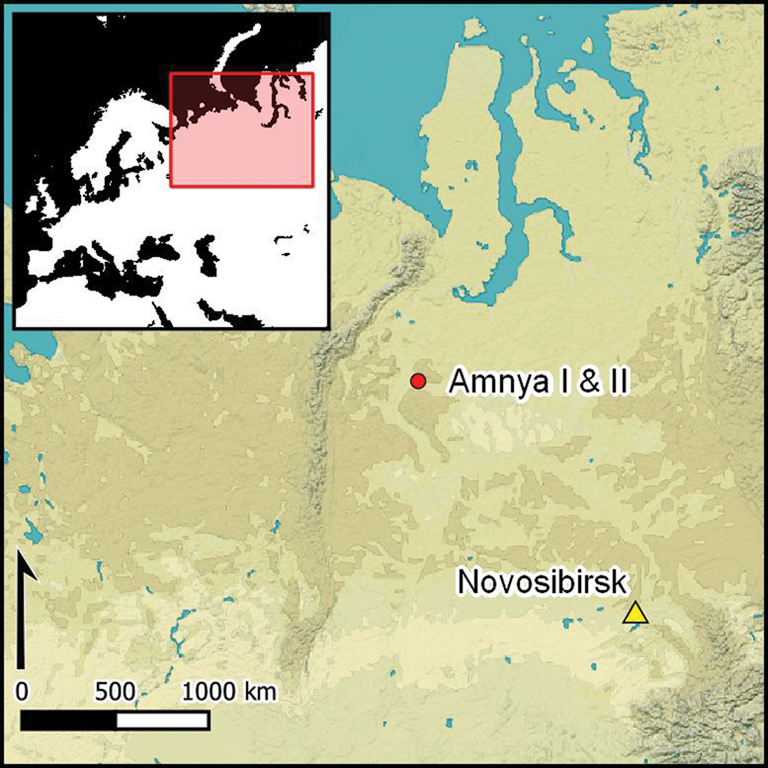
8,000-Year-Old Hunter-Gatherer Defense Building Discovered in Russia's Siberia
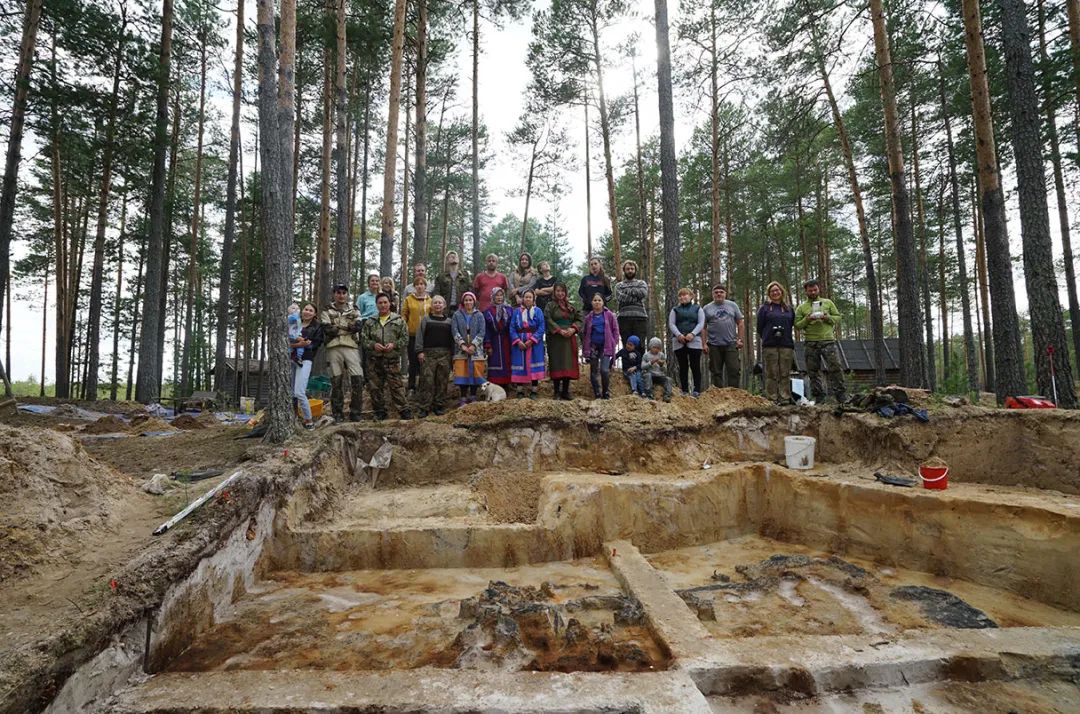
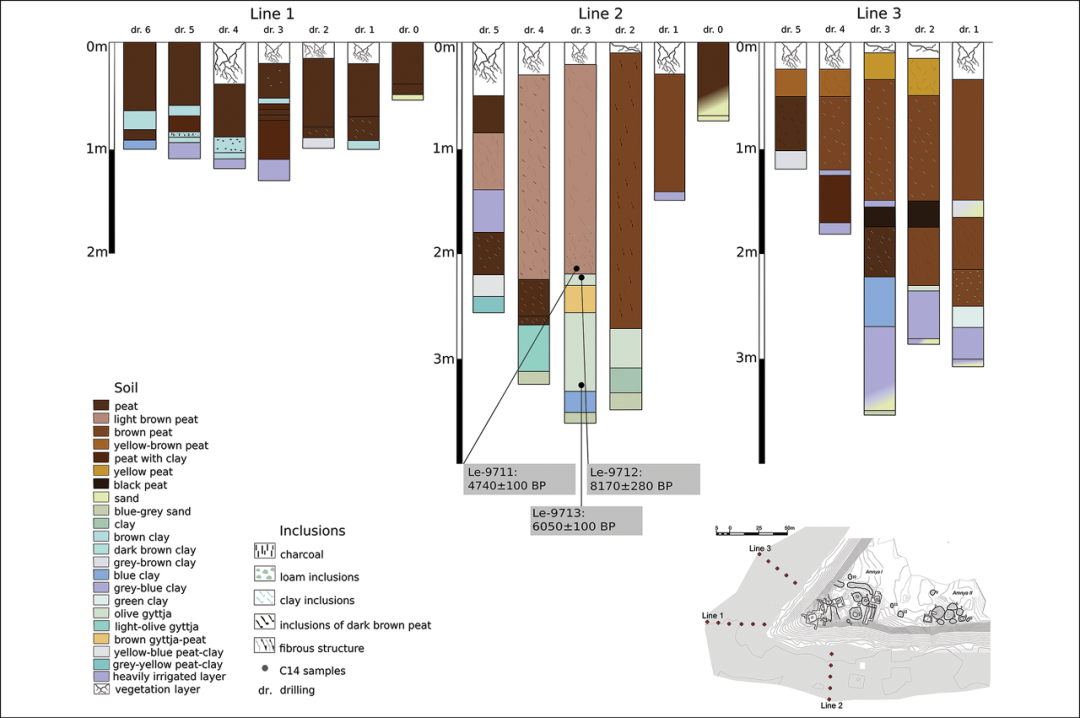
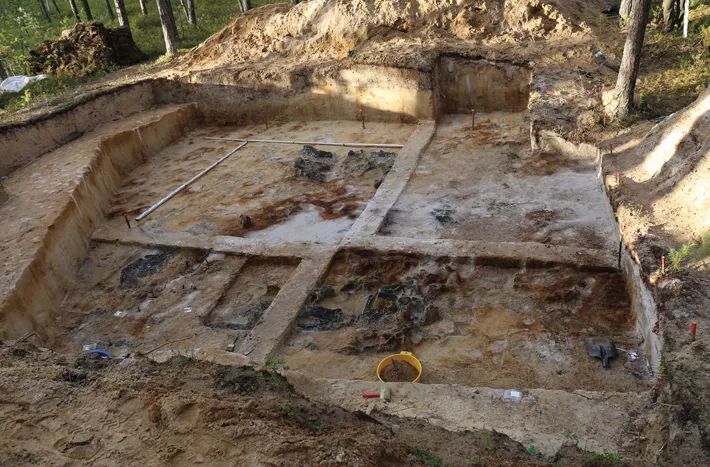
A team led by archaeologist Ekaterina Dubovtseva of the Institute of History and Archaeology of the Russian Academy of Sciences and archaeologist Henny Piezonka of Freie Universität Berlin has carried out a new radiocarbon dating of the defensive structures of 20 coniferous settlements and confirmed that the earliest sites of fortification were indeed built by Neolithic hunter-gatherers 8,000 years ago. built, making them the world's earliest scientifically dated examples of such fortresses.
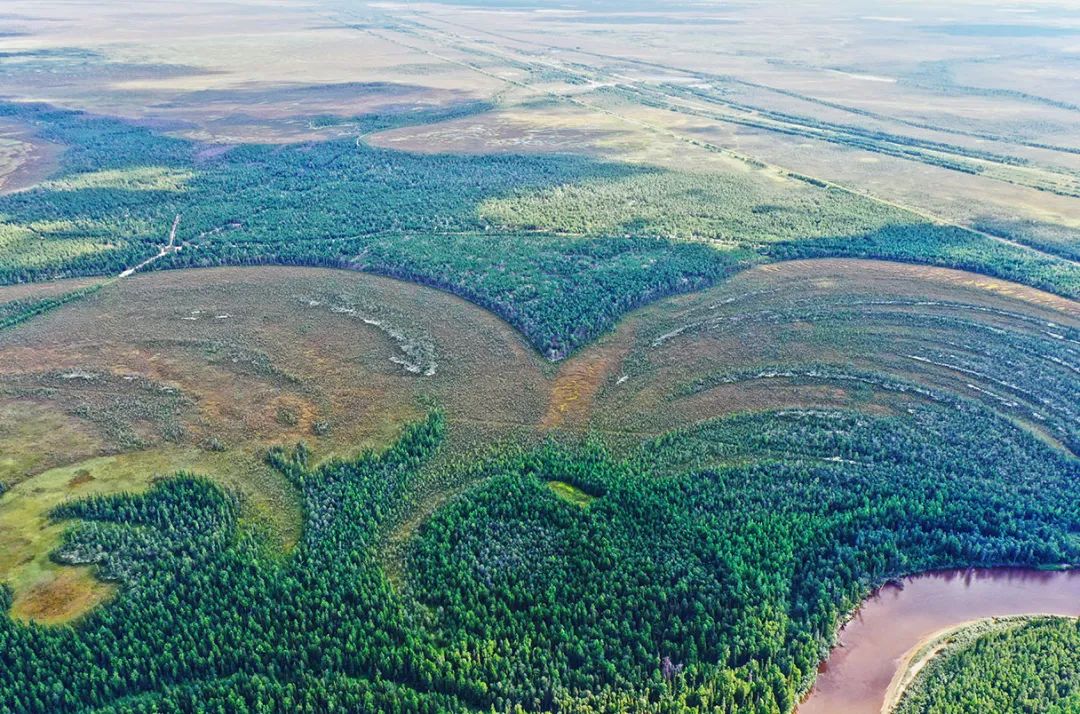
Dobovtseva points out that in the Neolithic period, people living in central Siberia caught large quantities of pike and salmon from the Amnya River and hunted migrating elk and reindeer with bone and stone spears. In order to preserve the abundance of fish oil and meat, they also made beautifully decorated pottery. The natural environment led to a dramatic increase in the number of people living in the coniferous forests, and conflicts between the different groups intensified, leading some tribes to build defensive structures. The buildings, which could accommodate dozens of people, were semi-caverns, dug nearly two meters deep to keep warm during the Siberian winter, and were surrounded by several-meter-high earthen walls topped with wooden fences. Some of the buildings were destroyed by fire, possibly related to ethnic conflict. Research suggests that at least one group of buildings was constructed 8,000 years ago, 2,000 years before the fortified walls of Uruk and Babylon in the Middle East, and thousands of years before agriculture arrived in Europe and some parts of Asia.
The discovery upends the traditional view that permanent settlements and defensive enclosures may have preceded the rise of agriculture.
研究文章发表于《古物》杂志:Piezonka, H., Chairkina, N., Dubovtseva, E., Kosinskaya, L., Meadows, J., & Schreiber, T. (2023). 世界上最古老的岬角堡垒: 阿姆尼亚和 8000 年前西伯利亚狩猎采集者多样性的加速。DOI:10.15184/AQY.2023.164。

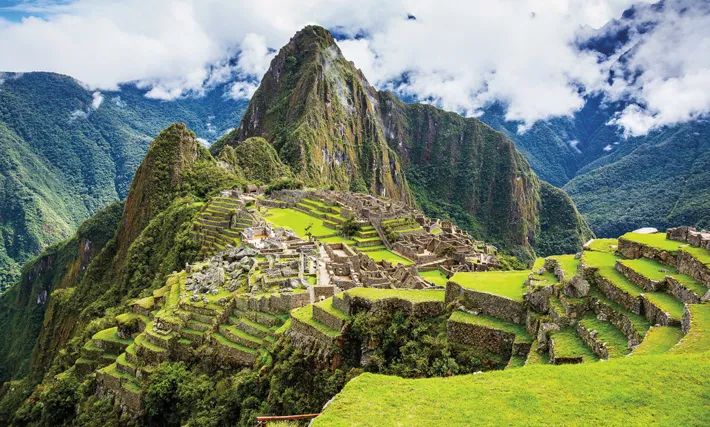
Machu Picchu, Peru Home of the Inca Emperor's Servants
The Inca Empire once ruled over South America's breathtaking Andes, an area of 2 million square kilometers. It was founded in 1438 by the first ruler, Pachacuti Inca Yupanqui, and reached its zenith in 1533 before being conquered by the Spanish. Machu Picchu, perched on a ridge in the Urubamba Valley, was part of the royal estate of the Inca emperor. The Emperor's servants, including artisans and religious personnel, were here to maintain the estate while the Emperor and his entourage lived in the capital city of Cusco, 45 miles away. Until now, who these servants were and where they came from has been a mystery.
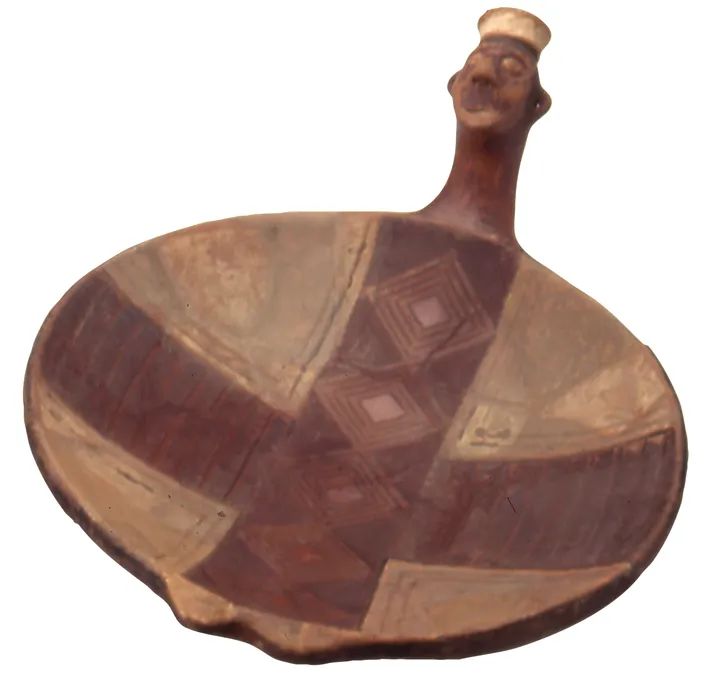
In 1912, a Yale University scientific expedition to Peru recorded an astonishing 174 burials at the site. These burials were usually shallow graves or hidden under large boulders or natural rock overhangs. While many lacked funerary objects, ceramic artifacts were found next to some. They paint a vivid picture of cultural diversity, with styles drawn from the coastal and northern regions of Peru, as well as the highlands near Lake Titicaca in Bolivia. This was the first clue that Machu Picchu attracted people from all over the Inca Empire. It suggests that the servants who inhabited Machu Picchu came from different places and brought ceramics from their homelands. However, these artifacts could also have come to the region through trade, and in order to find out where these people came from, their DNA must be analyzed.
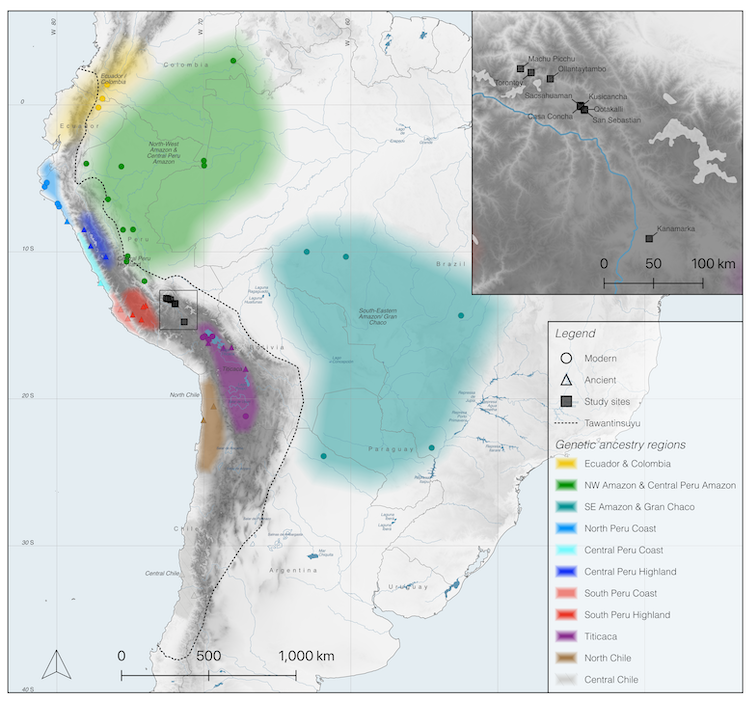
A new genetic study of 34 householders, led by Yale paleontologists Richard Burger and Lucy Salazar, Tulane archaeologist Jason Nesbitt, and UC Santa Cruz biological anthropologist Lars Fehren Schmitz, suggests that Machu Picchu's retainers came from virtually every part of the vast Inca empire Its heyday stretched along the west coast of South America from what is now northern Ecuador to northern Argentina and parts of Chile. The researchers were particularly surprised to find that one-third of the individuals came from two different regions in the distant Amazon.
“This suggests that at least part of the Amazon was more fully integrated into the Inca Empire in ways that scholars have never known before.” “The Amazons were not just on the other side of the border that had distant trade relations with the Inca.” With the exception of one mother-daughter pair, the familiars were unrelated, suggesting that they migrated to Machu Picchu individually rather than as families or community groups.Fehren Schmitz said, “Most of the males were from the highlands, while a significant proportion of the females appear to have ancestors related to both the lowlands and the coast.” While living in Machu Picchu, these people married, had children, and formed new family bonds, creating an ethnically diverse community.
研究文章刊登于《科学进展》杂志:Lucy Salazar et al.,Insights into the genetic histories and lifeways of Machu Picchu's occupants.Sci.Adv.9,eadg3377(2023)。Adv.9,eadg3377(2023).
DOI:10.1126/sciadv.adg3377

World's Oldest Book Discovered
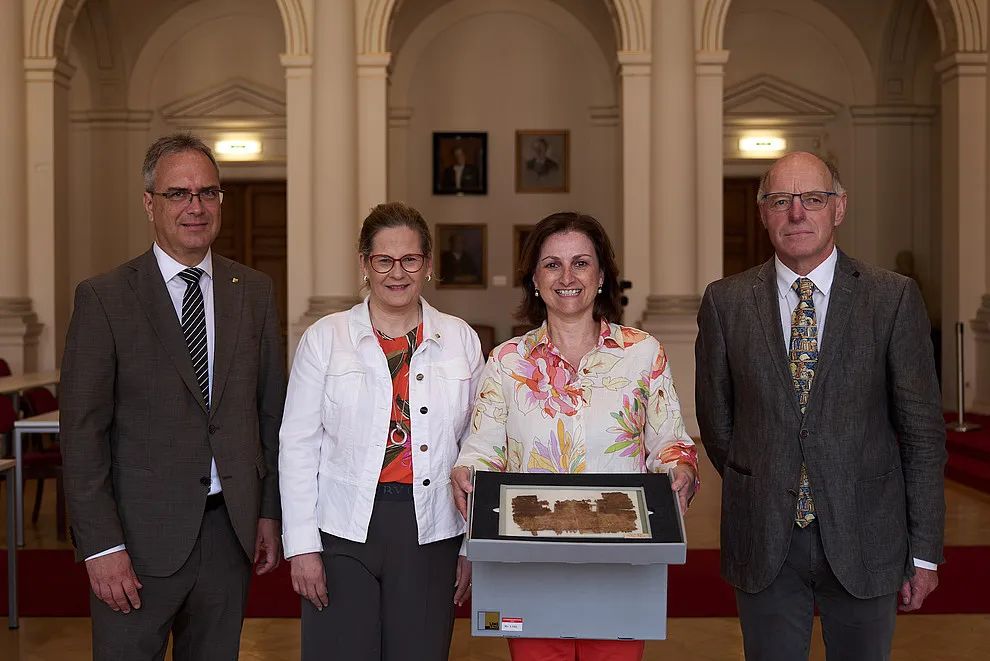
Theresa Zammit Lupi, a researcher at the University of Graz in Austria, was examining papyrus fragments in the library's Special Collections when she found a 10-by-6-inch Egyptian papyrus from the 3rd century B.C. that showed signs of sewing, suggesting that it must have been part of one of the books in the codex.
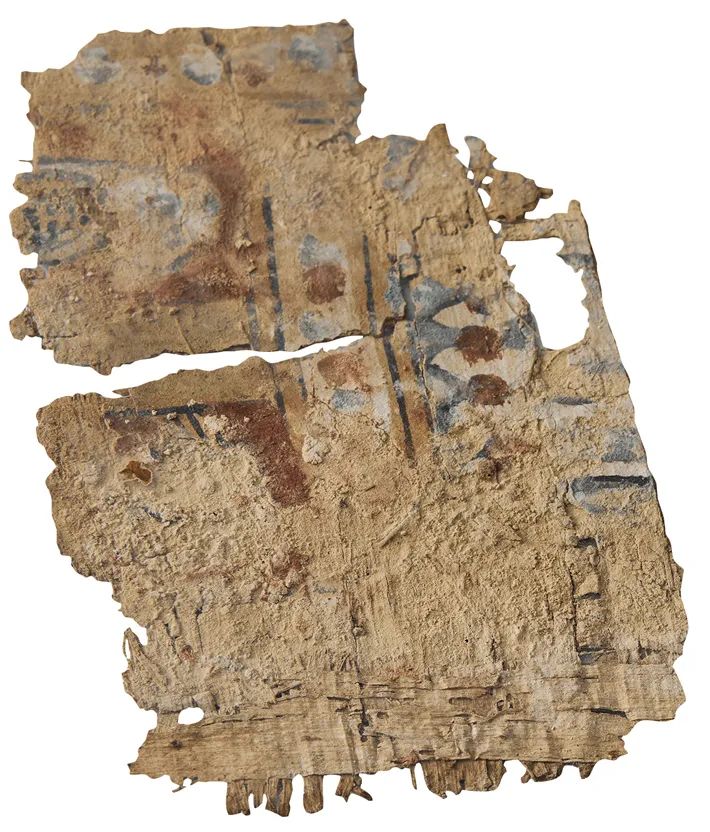
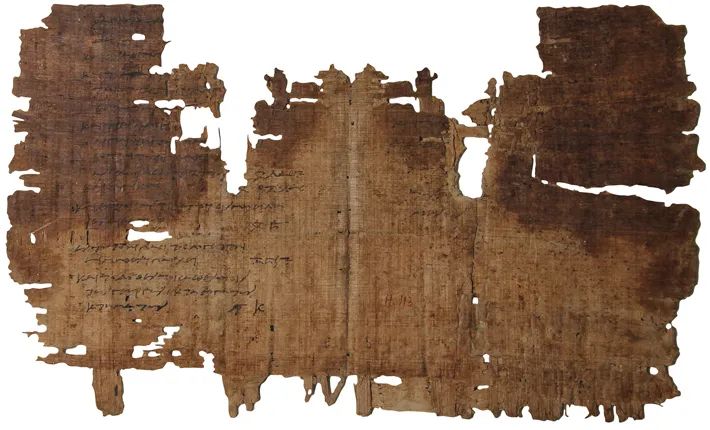
Discovered in 1902 along with hundreds of other pieces of papyrus in the wrappings of a mummy at the site of Eichbeh, this fragment of papyrus was a binding-marked document dating back to 260 B.C.E., recording the rates of taxes on beer and oil, which were scrawled in black ink in Greek letters. The paper was then removed from its binding, sent as a letter, and then transformed again by having images drawn on it, including one depicting the son of Horus, the falcon-headed god, and repurposed as a wrapping for mummies during the Ptolemaic period (304 to 30 BCE).
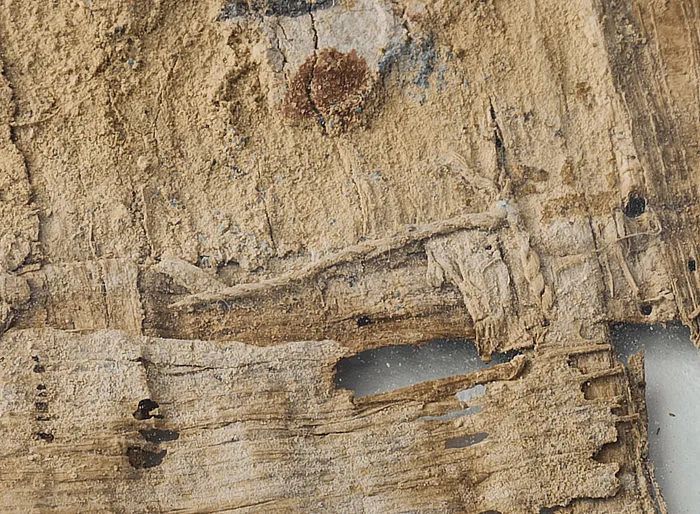
The team led by Theresa Zammit Lupi used microscopy and multispectral imaging to understand how the book was made. Individual sheets of paper were folded and joined together by soft staples, similar to modern ring binders.” Holes in the pegs to pass through, a few of which still have remnants of threads, and symmetrical traces of ink penetration were also found, confirming that the papyrus was once bound in an ancient manuscript. “The accountant must have taken this piece of papyrus from the book, folded and sealed the letter, and passed it on to a creditor or debtor.” . The discovery traces the origins of binding back several centuries.Zammit Lupi says: “The oldest previously known books are from the first or second century AD, so this book is 400 years earlier than previous discoveries.” The book could show how transactions took place and how people lived, wrote and passed information to each other.

Emperor Han Wendi's Underground Enclosure
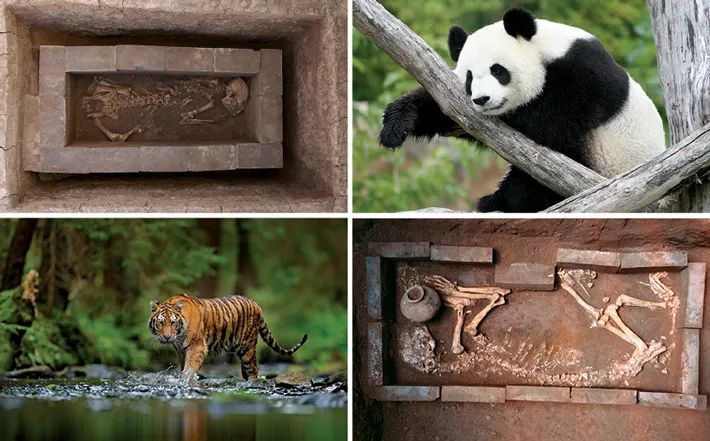
The Ba Tomb of Emperor Wen of the Han Dynasty is located at the western end of the White Deer Plain in the eastern part of Jiangcun, Dizhai Street, Baqiao District, Xi'an City, Shaanxi Province, with the Mausoleum of Empress Dou about 800 meters to the northeast of the Mausoleum, and the South Mausoleum of Empress Dowager Bo about 2,000 meters to the southwest of it. A large number of precious artifacts of the Han Dynasty, including various types of terracotta figurines, pottery, ironware, copperware, gold and silverware, and horse bones, have been unearthed from the large external storage pits around the Ba Tomb and the South Mausoleum. In its relatively far away many small martyrdom pit found a large number of rare birds and exotic animals skeletons, burial with ceramic coffins, brick bars and wooden coffins, burials have ceramic containers, ceramic figurines, etc., just like the Royal Court in the period of the Emperor of the Wendi underground zoo.
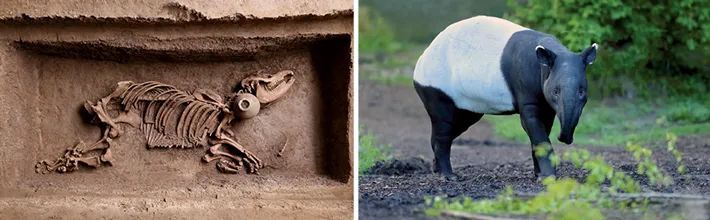
Archaeologists in Baling excavated a total of 23 animal burial pits, found a total of 11 genera of animal species, including 2 species of birds and 9 species of beasts, are rare wild animals, unearthed animal species are still living in the southern eastern boundary (tropical or subtropical) animals such as the Indian bison, Malayan tapir and the green peacock, but also the “four treasures of the Qinling Mountain Three of the “Four Treasures of the Qinling Mountains” are the golden monkey, the giant panda and the antelope. Among them, tiger, Malayan tapir, yak and Indian bison were found for the first time in Shaanxi Province. A total of 55 martyrdom pits were excavated in Nanling, and the martyrdom animals included birds, animals and reptiles. Bird bones are mainly distributed in the southeast, animal bones are mainly distributed in the southwest, the middle of the K33-4 pit both birds and animals, after preliminary identification, found a total of 30 genera of animal species, including 18 genera of birds, reptiles, and 11 species of beasts (mammals), including the golden eagle, green peacock, brown horse fowl, cranes, golden monkeys, macaque monkeys, tigers, hyena antelopes, goosethroat antelopes, and sika deer, Roe deer and other 30 kinds of rare wildlife skeletons, of which, the most important is that, for the first time in Shaanxi Province, the boot-footed tortoise of the reptile turtle order Terrapinidae, and the bird hornbill genus of the hornbill family were found.

Emperor Nero's Theater Discovered in Rome, Italy
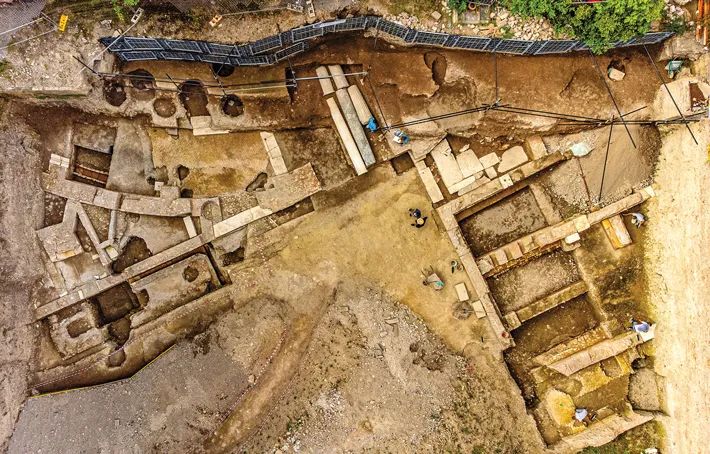
In the Italian capital of Rome, just a few meters from the Vatican, archaeologists have discovered the ruins of the 1st century Roman Emperor Nero's private theater, a discovery that identifies the location where Nero rehearsed his poetry and music, near what is now St. Peter's Basilica.
According to several ancient Roman writers, Nero's favorite venue to strut his stuff was a private theater he built in the Gardens of Agrippina, a lavish villa that belonged to his mother in the Roman neighborhood near the Vatican, now known as Vaticano. The Roman historian Tacitus may have mentioned this theater building when he wrote about the Emperor singing about the fall of Troy in July 64 A.D. as he watched Rome burn. The building was most likely demolished to utilize ancient building materials, and its exact location was not known until archaeologists discovered its remains in a Renaissance garden.
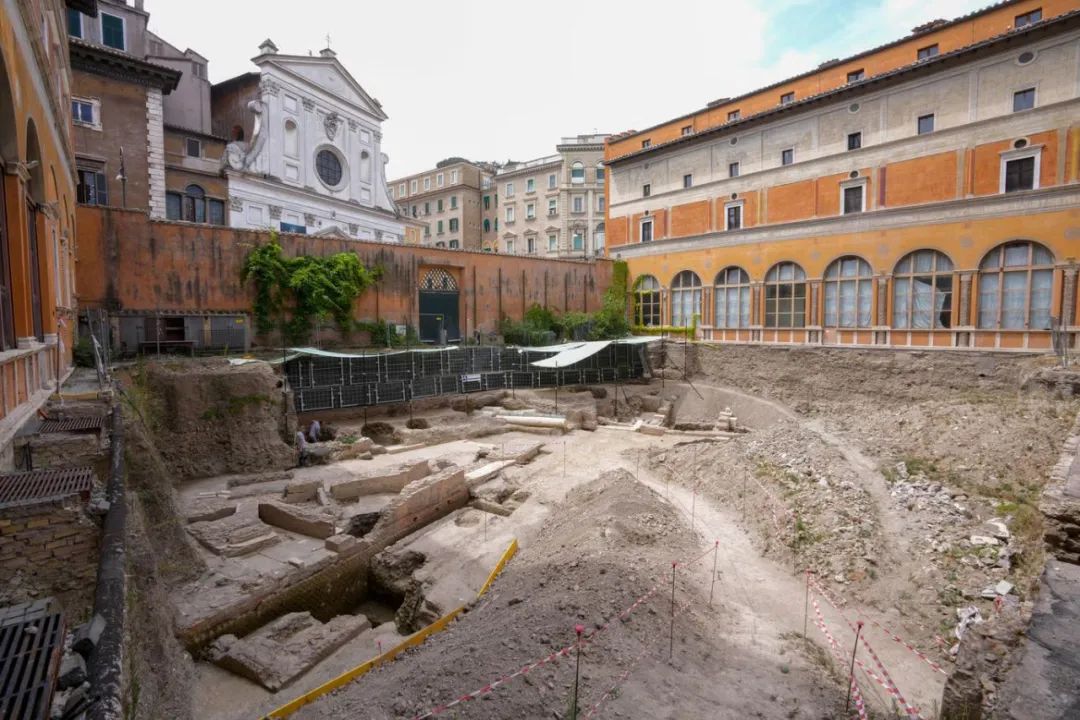
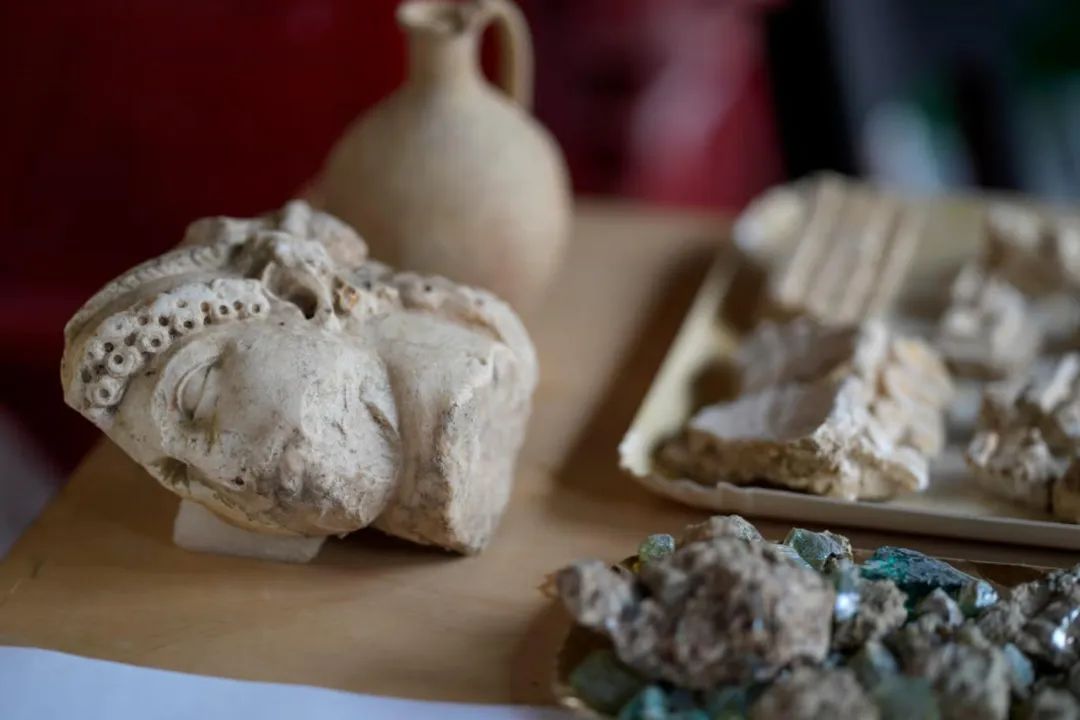
The theater site includes the theater's private rooms, a 138-foot-wide semicircular seating area and space with an entrance and staircase, and another building that may have been used to store sets and costumes. Both buildings were constructed of brick and date back to the time of the Julio-Claudian emperors (27 B.C.-A.D. 68), notably Caligula (reigned 37-41 A.D.) and Nero. The theaters were only part of Nero's extensive construction throughout the city, and Nero's theaters were also adorned with white and variously colored marble columns, as well as gilded stucco. Roman archaeologist Marzia Di Mento said, “This discovery serves both to confirm the existence of a brick theater in the Gardens of Agrippina and to clarify its exact location.” Stained glass goblets and fragments of pottery, which date back to the 10th century, were also found during the archaeological excavation.
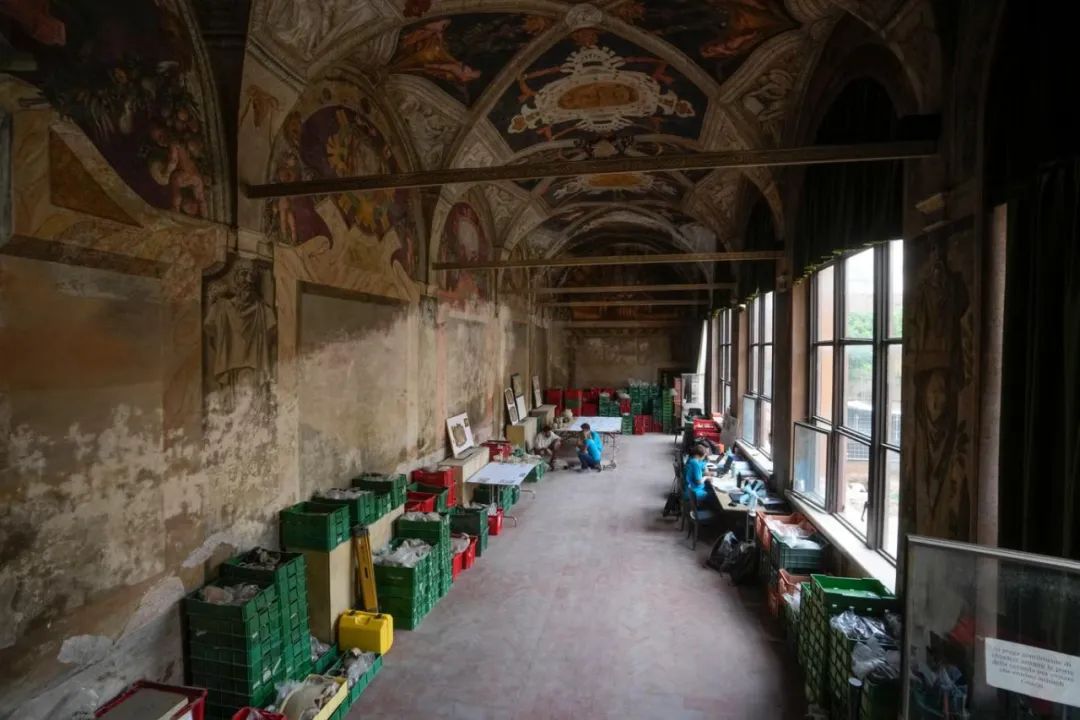
Part of the building will be used for a hotel, which is expected to open in 2025. Local officials say they will exhibit the artifacts and include all findings in a public database managed by the city to enrich the research information gathered over the years about life in the ancient Roman era.
Nero, the fifth emperor of the Roman Empire (54-68), was a famous tyrant in ancient Roman and European history. During his reign, he acted brutally, killed his mother and several wives, and executed many senators; at the same time, he was also extravagant, indulging in art and architecture. There are a lot of historical materials and creations about him, but his image is generally poorly described, and the world called him “bloodthirsty Nero”.