

Tang Dynasty Dance Feast Examination - From the Mural Painting of Han Huo's Tomb
The tomb of Mr. and Mrs. Han Huo of the Tang Dynasty, excavated in 2014, has received extensive attention from the relevant academic circles for its exquisite murals1, and the relatively well-preserved music and dance picture on its east wall is one of the hot topics of discussion. Fourteen people are depicted in the whole picture, with a jujube palm plant in the center of the picture2 and a group of male and female dancers on each side of the picture (Fig. 1). While previous discussions have focused on the type of music and dance reflected in the picture,3 this paper will focus on one of the objects in the image, namely, the fabric underneath the musicians and the dancers, which in previous studies has been generally referred to as a “carpet, ‘4 or a ’square carpet, round carpet, ”5 in Han Xiu's study. “On the mural painting of Han Xiu's tomb, this item is of different shapes and sizes, and is clearly a complete set of household furnishings in terms of style, pattern, and color; this paper will examine the nomenclature, function, and texture of this type of item, combined with other relevant pictorial evidence and poetic material, from the perspective of pre-Tang aristocrat-bureaucrat banqueting and drinking fashions, as well as material culture.
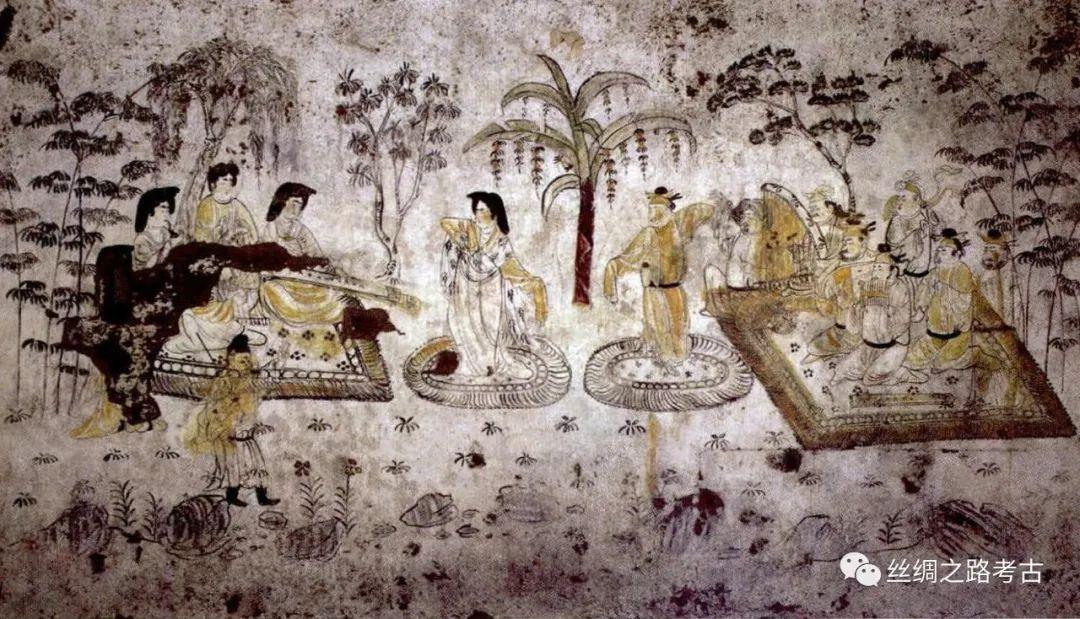
Figure 1 The music and dance on the east wall of Han Xiu's tomb
I. Images
Han Xiu was born in the third year of Xianheng (672) and died in the twenty-eighth year of the reign of Emperor Kaiyuan (740), a native of Jingzhao, Chang'an, and had served as prime minister during his lifetime. Therefore, to understand the mural paintings of Han Xiu's tomb, it is necessary to refer to the relevant images from the tombs of other high-ranking bureaucrats or royalty in the pre-Tang period. In the unearthed pre-tang senior mural tomb, music and dance is one of the common themes, in terms of preservation, can be compared with han hu's tomb are the following examples.
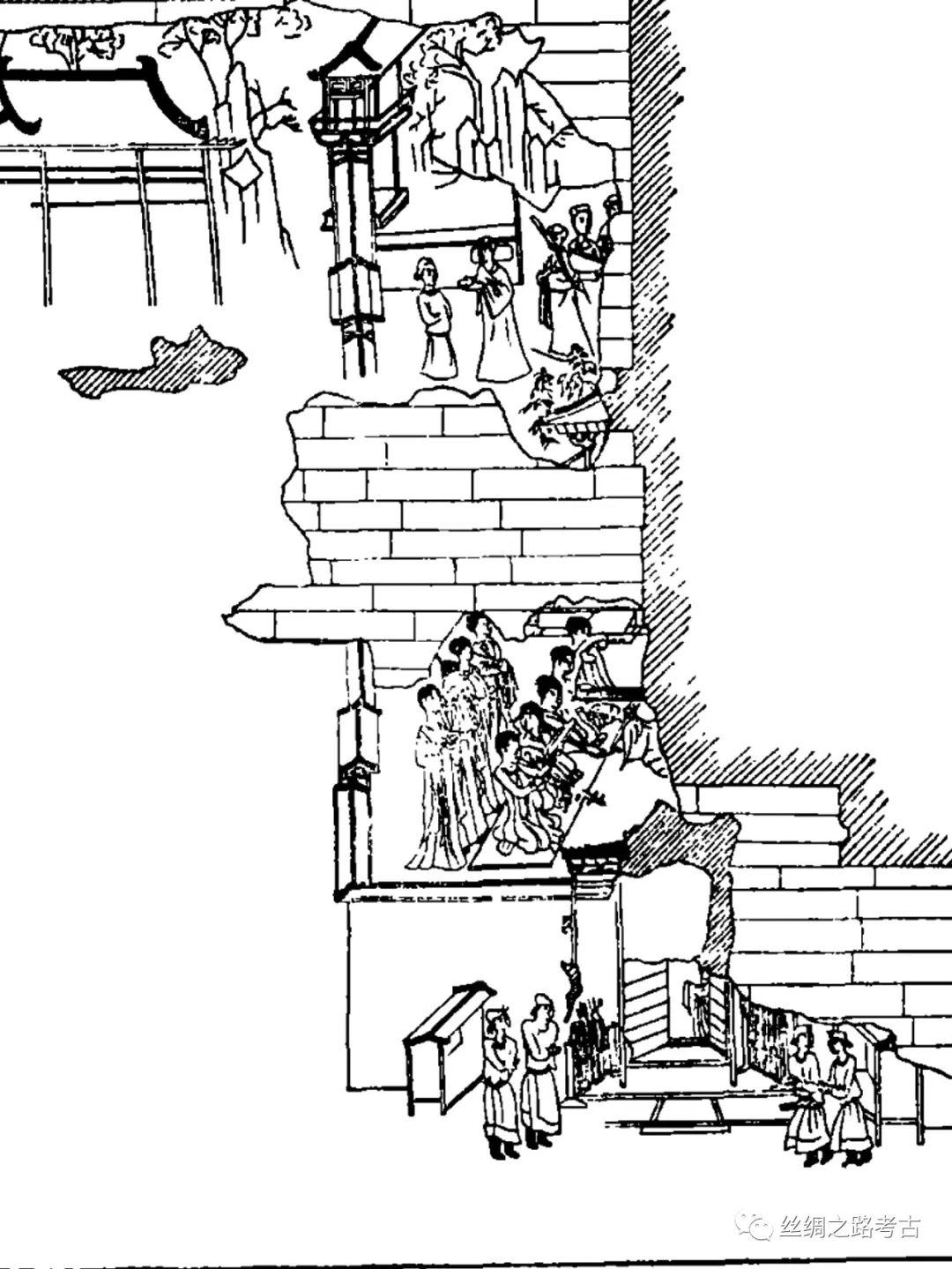
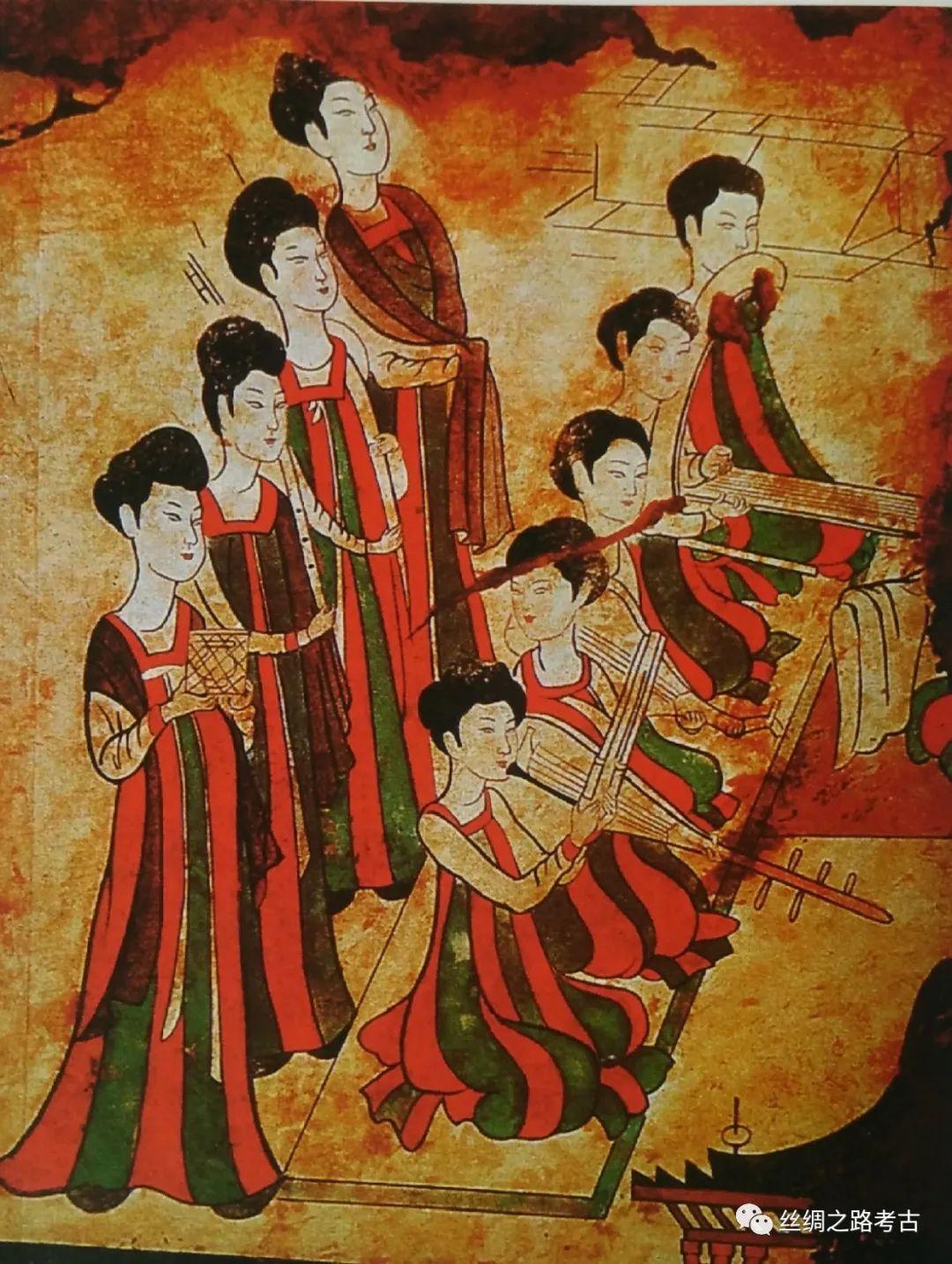
Figure 2: Music and Dance on the North Wall of the Tomb of Li Shou
On the east side of the north wall of Li Shou's tomb, buried in the fourth year of the Zhenguan reign (630), there is an aristocratic courtyard with a group of female musicians (Fig. 2, line drawings and restoration drawings), five seated female kabuki holding vertical konghou, zheng, four-stringed pipa, five-stringed pipa, sheng, and other musical instruments, and in front of the band there is a female dancer with a corner of her skirt remaining.6 The five female kabuki are seated on a rectangular piece of fabric, and there seems to have been a piece of red fabric under the feet of the female dancer as well. The tomb of Wei Guifei, buried in 667, has a set of qingshang yaluo music and dance pictures on the east and west walls of the tunnel behind the tomb, with two kabuki (female entertainers) on the west wall, and a set of kabuki (female entertainers) beating out and dancing on the east wall, all combing double-ringed wangxian buns and wearing colored silk skirts, with a square of orange fabric underneath each of them.7 The tomb of Li Ju (李勣), buried around 670, has a music and dance picture on the north wall of the tomb, with two dancing maidens combing double-ringed buns and wearing red dresses, and a red fabric underneath them. The two girls are dancing with their heads in double-ringed flower buns and long red skirts, and the weaving mats underneath them are also visible (Fig. 4). At the south end of the east wall of Li Xian's tomb in the first year of Tianbao (742), there is a six-member band sitting in two rows kneeling in an east-west direction, each with a musical instrument and playing a musical instrument, with a rectangle of fabric underneath them (Fig. 5).8 The east wall of castor Sushi's tomb in the fourth year of Tianbao (745) is a picture of a music and dance, with a dancer at the center, and the two bands on the two sides, with a circle of fabric underneath the dancers, and rectangles underneath the bands (Fig. 6). A stolen Tang dynasty mural tomb in Fuping, discovered in 1994, also has a music and dance picture, located in the east wall of the tomb, the north side of the band of seven people, each holding a musical instrument, sitting cross-legged, facing south, in front of a woman who is dancing, the image has been disabled, can only see the upper half of the body, the band under the body of the rectangular cushion 10 (Figure VII).
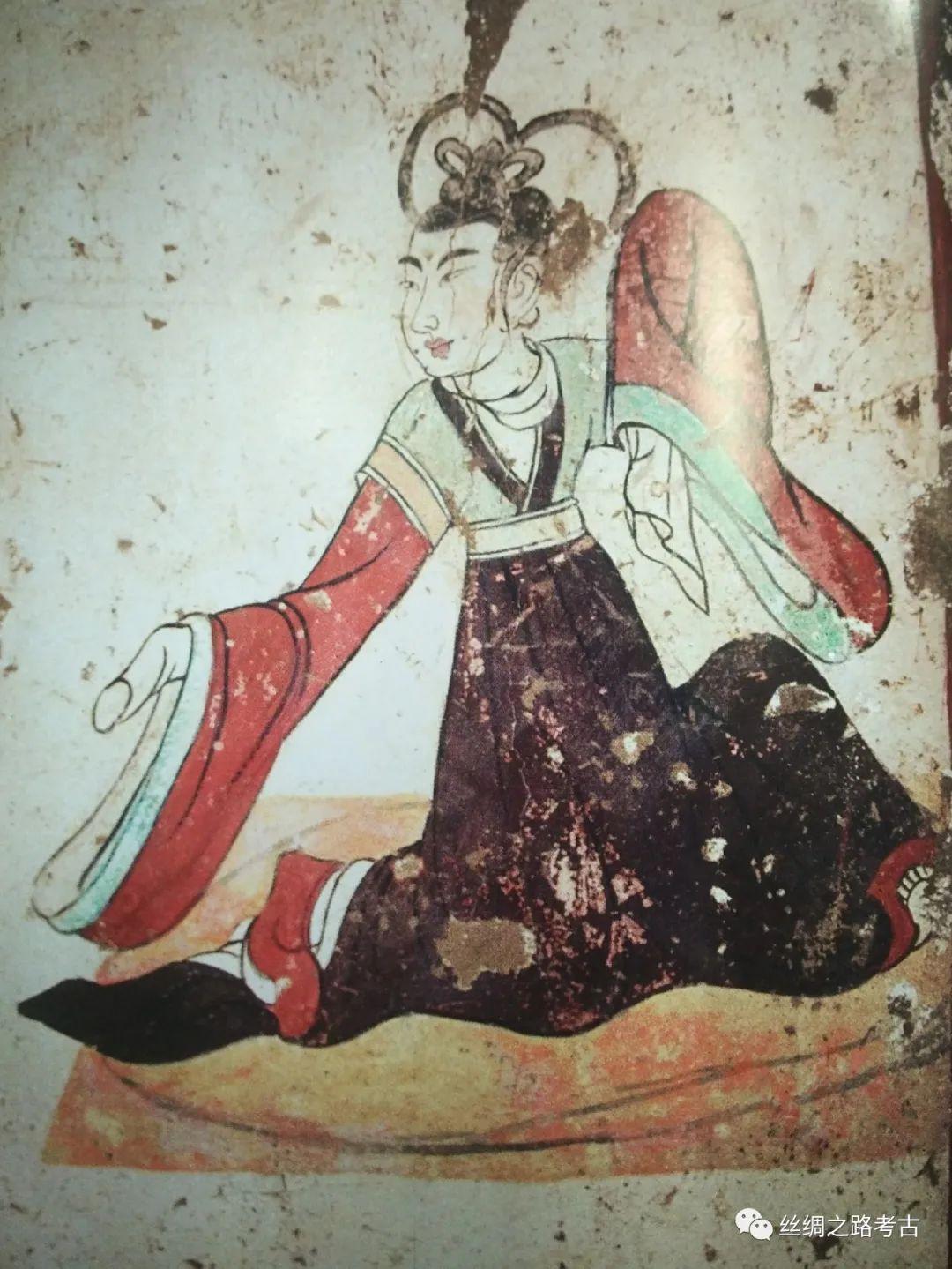
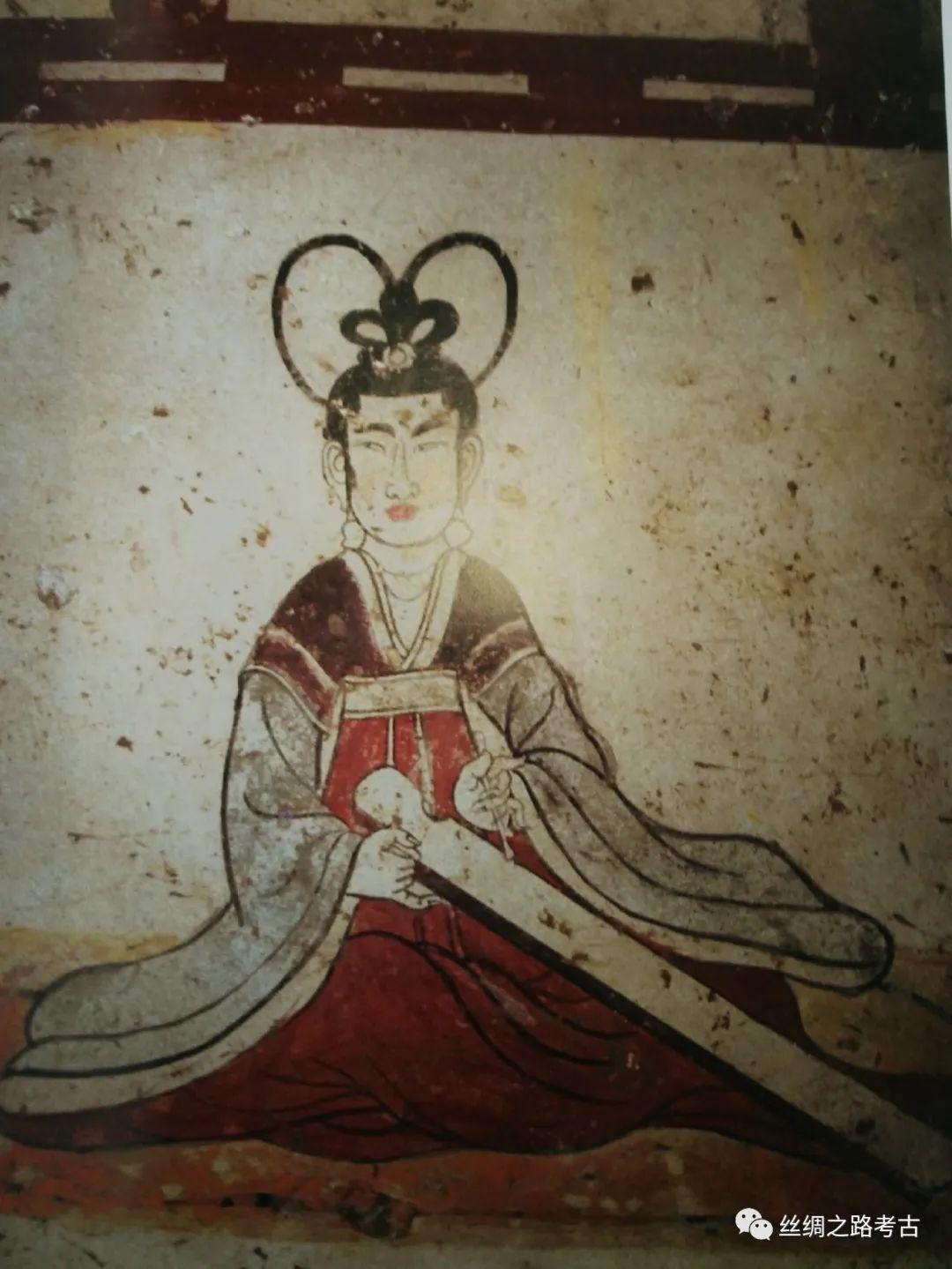
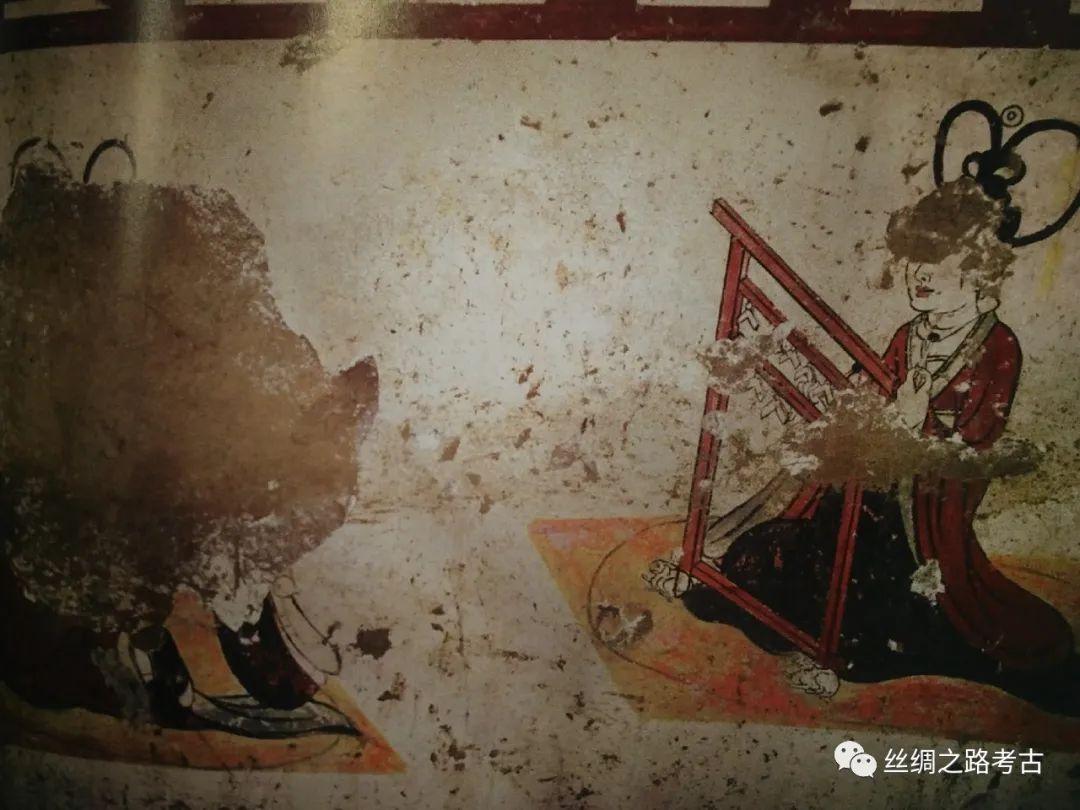
Figure 3 Mural Painting in the Canal of Wei Guifei's Tomb
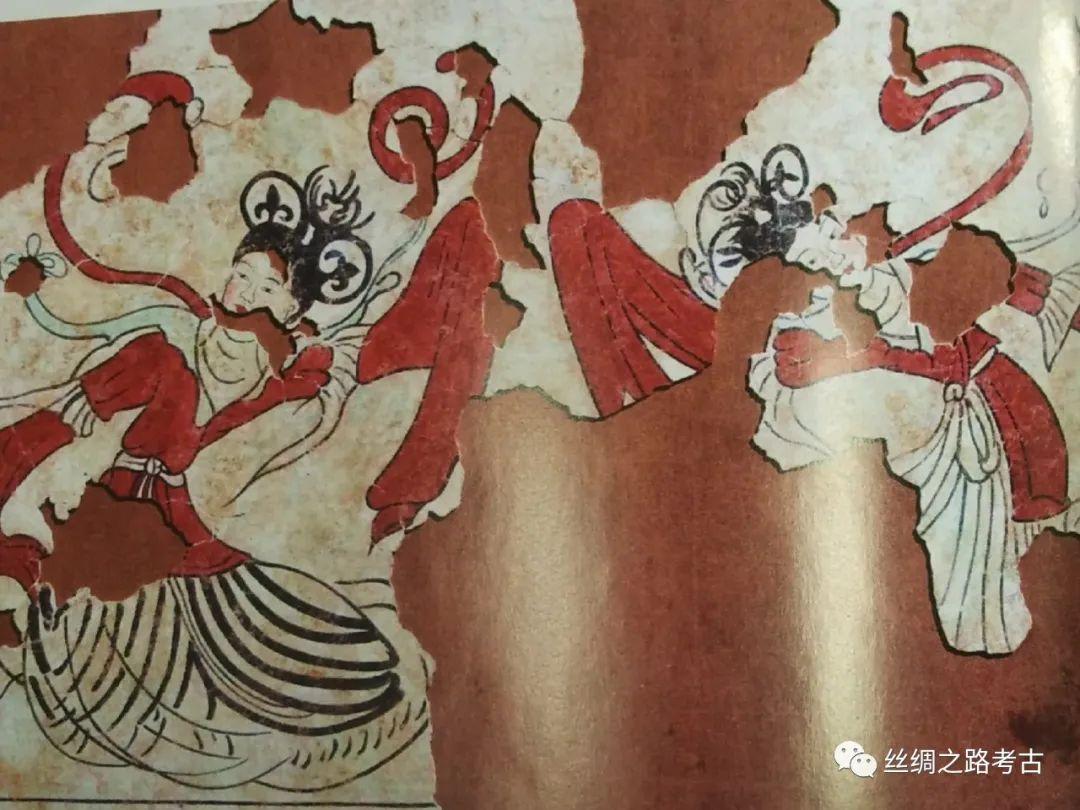
Figure 4 Dance and music on the north wall of the tomb of Li Merit (facsimile)
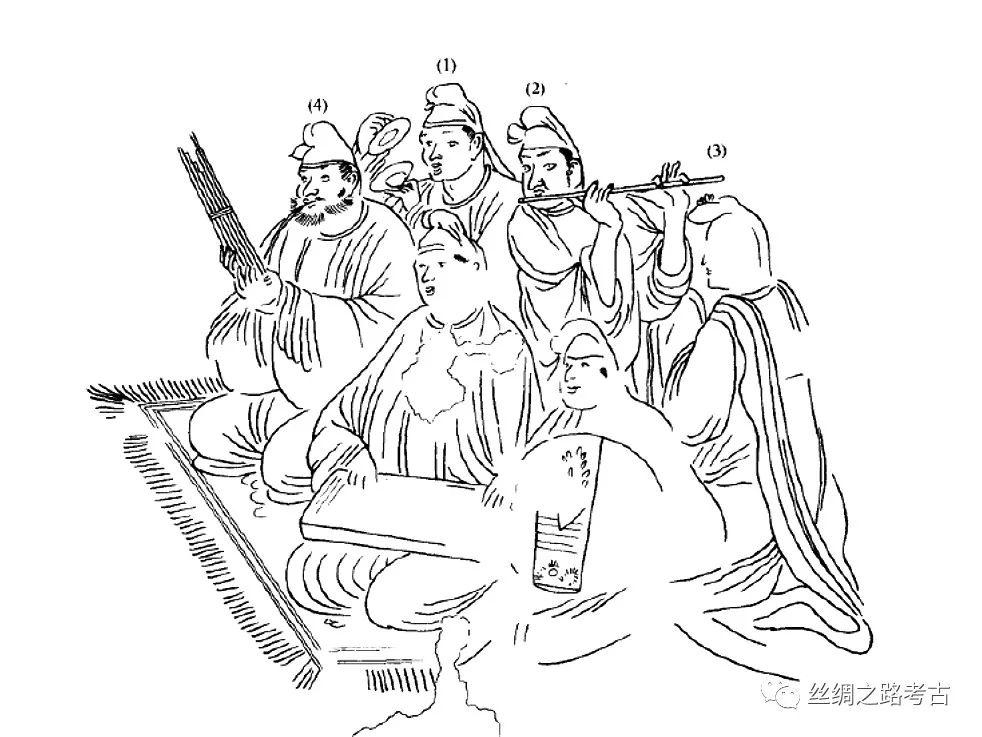
Figure 5 Line drawing of music and dance on the east wall of the tomb of Li Xian
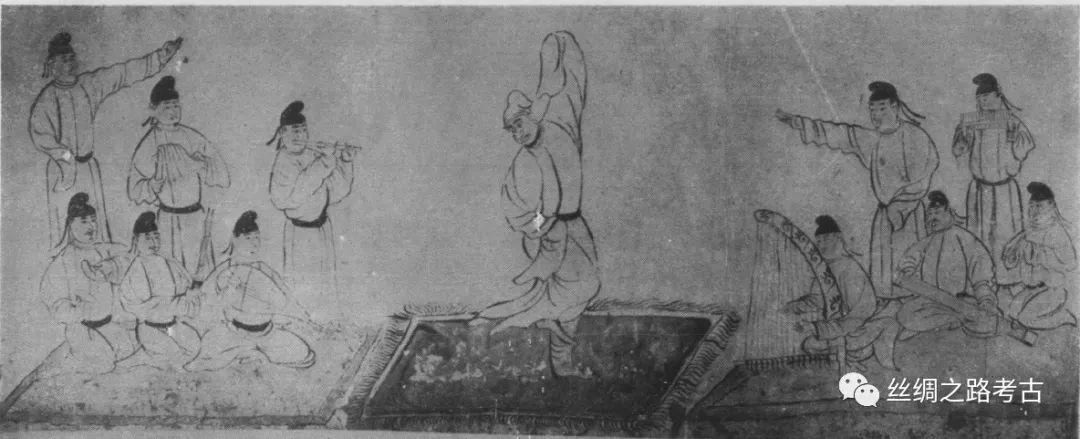
Figure 6 Line drawing of music and dance on the east wall of the tomb of castor Su Si's tomb
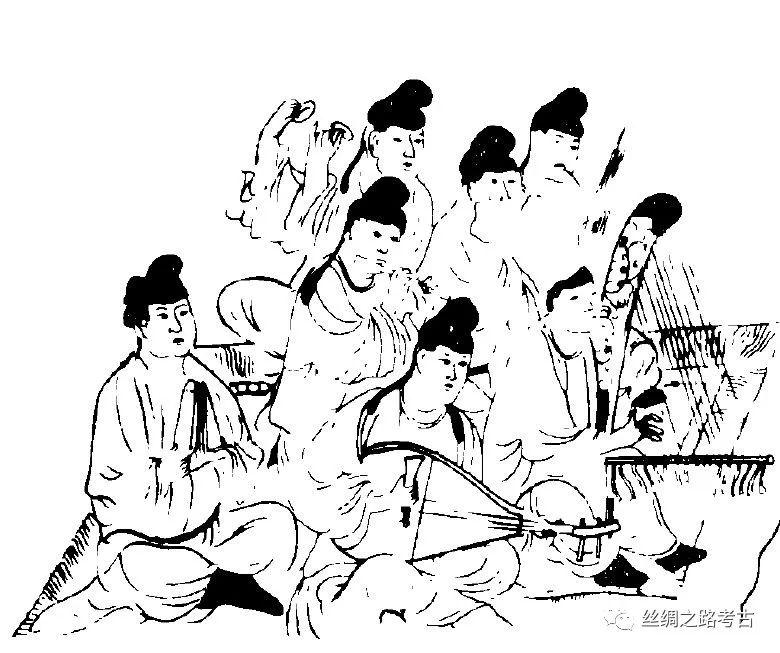
Figure 7 Fuping Tang tomb mural music and dance (line drawing)
In the Tang Dynasty, the nobility and officials often had a family music program in their homes.11 In the early Tang Dynasty, it was already in place, and in the Sheng Tang Dynasty, it was on a larger scale, with the musicians, instruments, and dancers varying slightly according to the different pieces of music, but there was not much difference in the basic combinations. Therefore, the above mural paintings of the pre-Tang aristocratic and bureaucratic tombs of the music and dance is not only a reflection of real life, but also a symbol of the status of the bureaucrats and nobles. As a symbol, this band combination of images, not only in the murals, but also in other carriers or media. For example, the 11th year of the Kaiyuan (723) fresh Yu Ting teach tomb camel carrying music figurines (Figure 8) 12, camel on a total of five people, the middle of a standing for the singer, surrounded by the accompaniment of the musicians, under them is a piece of white, yellow and green fabric, surrounded by a circle of joint beads, and then outside the pendant, this fabric is obviously not the camel saddles, and with the above tomb mural paintings of music and dance figure, it is a music and dance performance of the same equipment. This type of camel-carrying music figurine obviously reflects the status of the tomb owner, and is not rare, and there is another one unearthed in a Tang tomb in Zhongbao village in the western suburbs of Xi'an (Fig. 9),13 which also belongs to the Shengtang period. Japan's Shosoin Nankura collection of a conch-shell four-stringed pipa on a picture of riding an elephant music and dance, under the musicians is a colorful printed fabric, this pipa is likely to be the Middle Ages into Japan's Sheng Tang musical instruments (Figure 100)14.
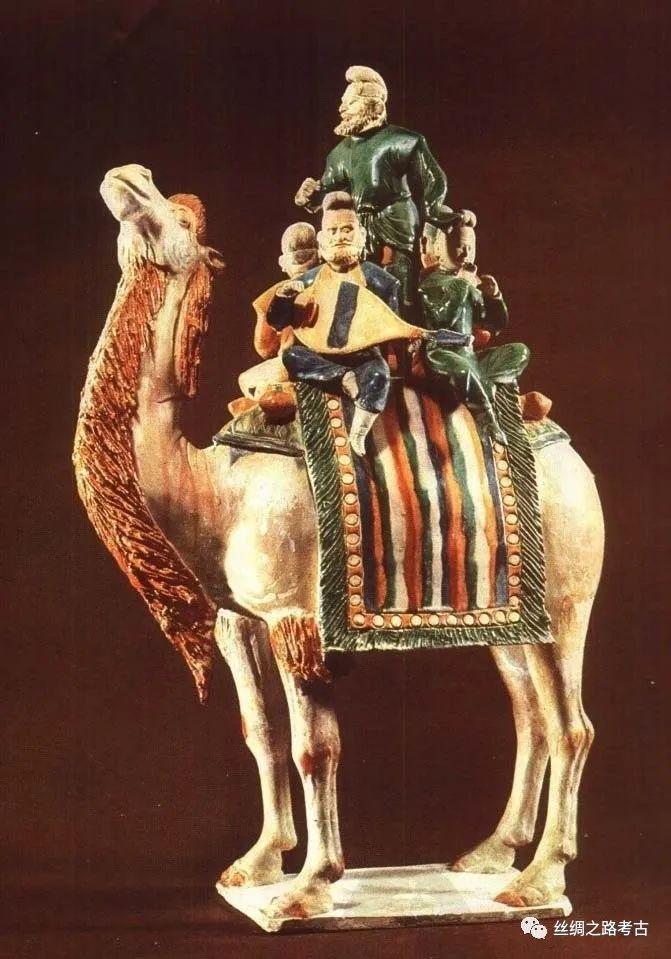
Figure 8 Terracotta Camel Carrying Music from the Tomb of Xian Yu Ting Zu
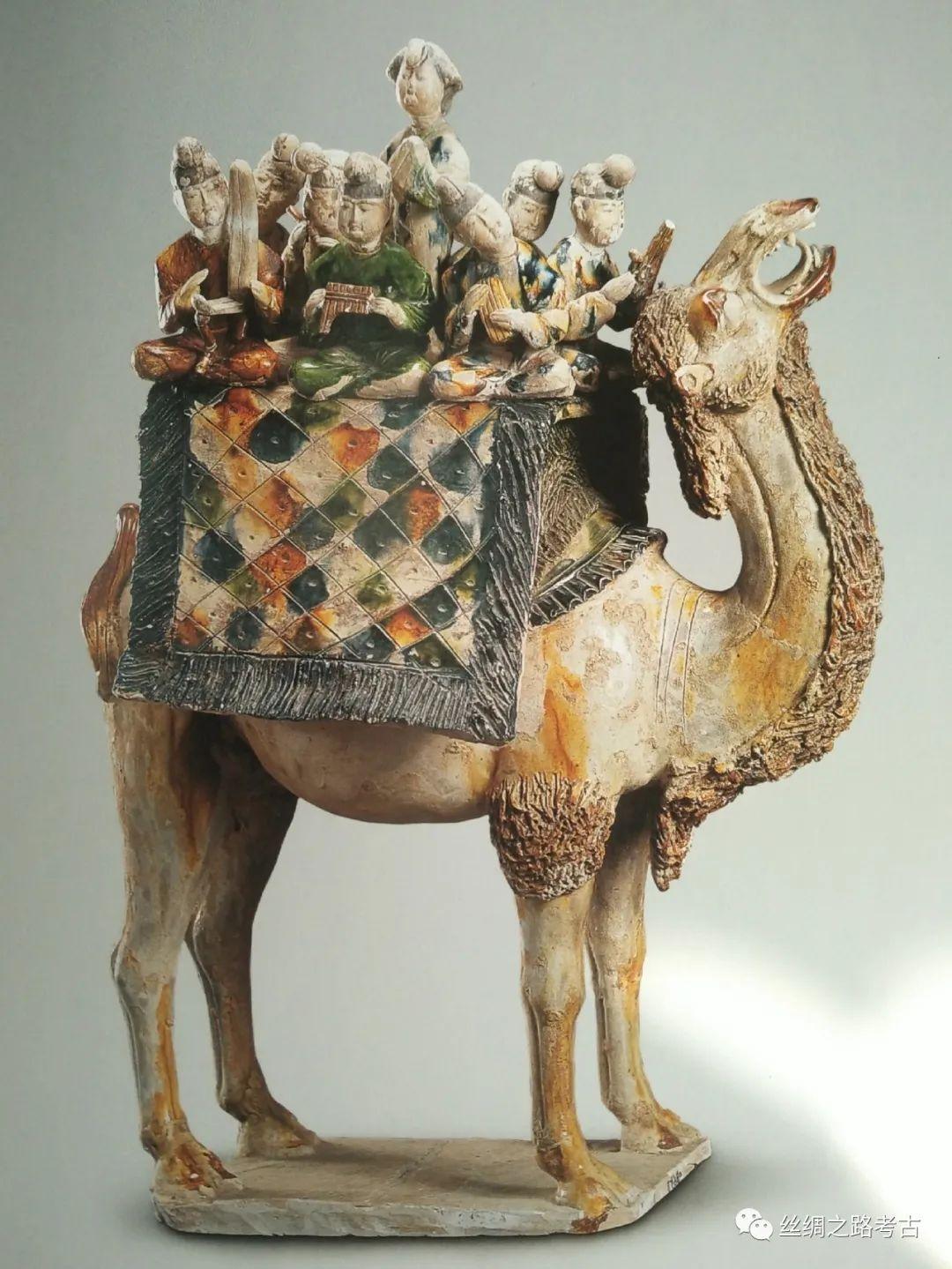
Figure 9 Terracotta Camel Carrying Music from a Tang Tomb in Zhongbao Village, Xi'an
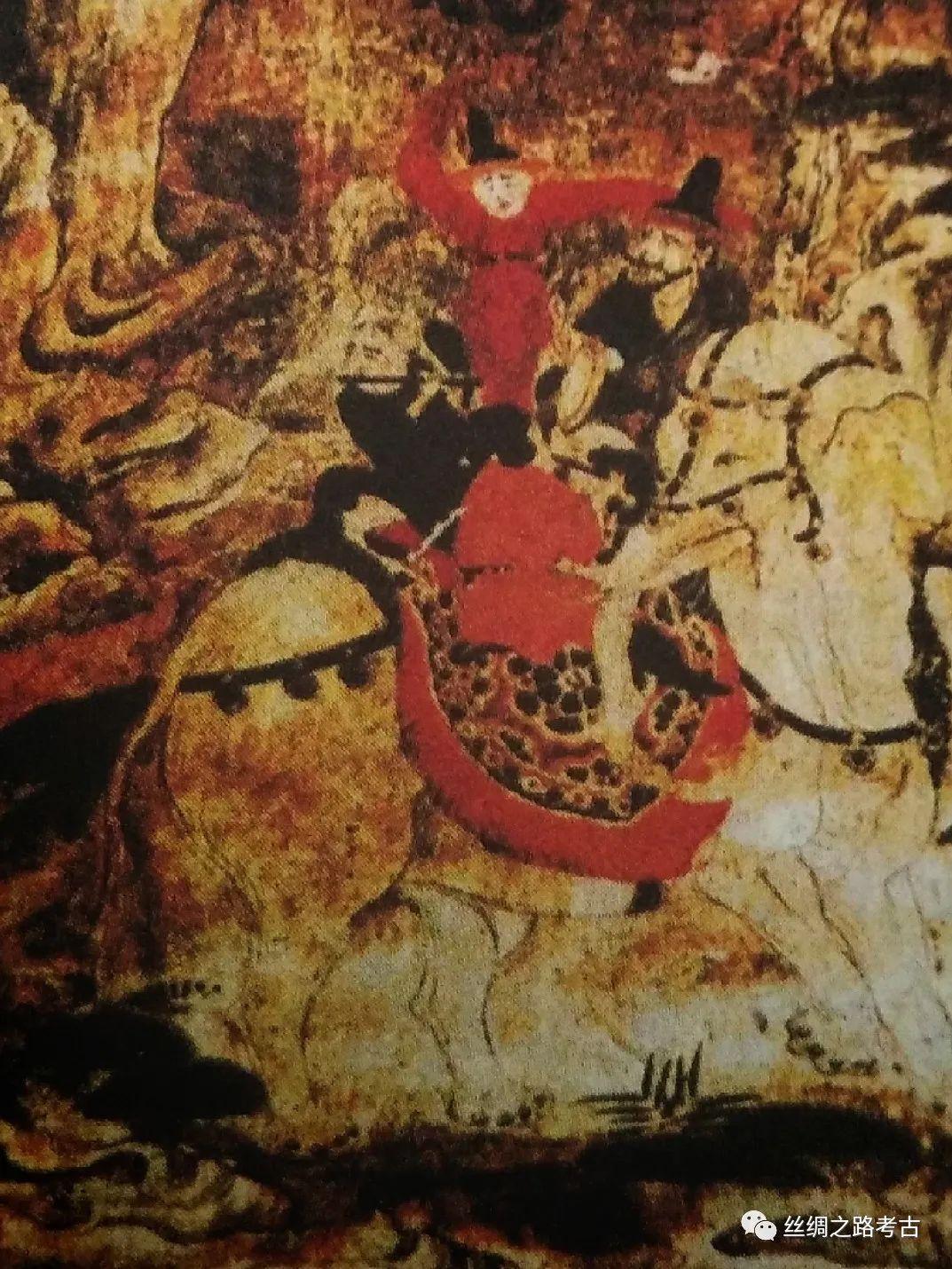
Figure 10: A musical dance with a conch-shell pipa riding an elephant in the Jungkangwon Collection
There is a very close correspondence between the layout and content of Tang dynasty noble tombs and real-life living.15 The fabrics that coincidentally appeared underneath the music and dance bands or dancers in the pre-Tang period were obviously one of the important objects in the home performance scene, and we will examine the function and name of this object with the help of Tang poems and texts in the following section.
Function
The name of an object is mostly derived from its function. In terms of function, this fabric is equivalent to the traditional Chinese “mat” for sitting on the ground, so it is called the “dance mat”. Wang Bo's “Bronze Sparrow Brothel” reads, “The dancing mat is in a state of flux, and the singing beam has not yet been tilted. ”16 Together with the singing beam, the dancing mat is used as a symbol of the peacefulness of song and dance, and of the beauty of the beautiful face. This description is also found in the palace poems of the Southern Dynasty, such as Shen Yao's “Footsteps”, which reads, “The train opens up to the dancing mat, and the sleeves flick around the singing hall”.17 From the pre-Tang to the Shengtang era, the style of feasting and drinking and enjoyment of music for the dignitaries became more and more prosperous, and we can see a large number of texts describing the scenes of enjoyment in Tang poems, such as Zhang Shuo's “The Imperial Banquet on the Hi-Day in the Pavilion of Princess Yongmu,” in which the following text is written: “The dancing mat has a thousand flowers, and the singing boat has five colorful floors. “18 The other poem in the group of An De Shan Ji Banquet Collection has the lines ‘The cui hairpin is low on the dancing mat, and the apricot disperses the dust from the song,’ and ‘The pavilion plays the Zhao Seer, and the dance on the mat is the train of a swallow,’ which all point out in particular the importance of the dancers underneath the dancer. The lines “playing Zhao Se in the pavilion, and dancing on the train of a swallow on the mat” all make special mention of the “mat” that is indispensable to the dancers. Meng Haoran's “Banquet at Cui Mingfu's Residence at Night Watching Prostitutes” is even more direct: “The hair on the bun is low on the dancing mat, and the sleeves cover the lips of the song.” 19 The mural paintings of the tombs of Wei Guifei and Li Jiao are a vivid portrayal of the moment when “the hair on the head of the bun is low on the dance table”. In Lu Zhaolin's “Viewing Prostitutes at Zhangchao Pavilion in the West of Yizhou City,” “the sun sets on the singing mat, and the clouds move away from the dancers, ‘20 the ’dancing mat” is also called the “singing mat,” referring to the same piece of furniture. Xue Ji's poem: “Qin Lou Banquet happy moon Pei Hui, brothel feast silver candles full of court open”, “brothel feast” is obviously “dance seat” is another expression, both refer to the cushions under the music and dance female geisha.
Similar to the feast, we can also see the term “brothel seat,” as in Bai Juyi's “Winter in the East” (东都冬日会诸同年宴郑家林亭), “宾阶纷组佩, 妓席俨花钿”.21 The terms “dance seat,” “song seat,” “dance seat,” “song seat,” and “dance seat” are also used in the same context. The names “dance seat,” “song seat,” “song feast,” “prostitute seat,” and “prostitute feast” are all derived from their functions.
In the late Tang Dynasty, the dance feast was also known as the “lichen”. The name “Jiyi” (地衣) was used in the late Tang Dynasty to refer to a dance feast in the color of a pink sunrise, and “Jiyi” (地衣) was used to refer to a dance feast in the color of a pink sunrise. In addition, the word “cap tassels” occurs in many places in the All Sutras Yinyi, such as in the fourth volume of the commentary, which reads, “The cap tassels are the treasures, the beautiful brocade feasts, the embroidered mattresses, the dance feasts, and the floor garments, and so on”. The word “綩綖” is not found in the Chinese language and is a foreign word. According to Mr. Yang Zhishui, “綩綖” was originally used to refer to the soft, ornate tassels that adorned mattresses or felt carpets and were commonly found in Indian or Guzi Buddhist carvings or images.23 Apparently, the word drifted with the introduction of Buddhism into China and corresponded to all native Chinese objects, i.e., the dance feasts of the nobility in their daily music and dance routines.
The “dance mat” was usually set up with the dance and put away after the dance, as in the saying “The public door is closed, the brothel's seat is spread out”,24 which refers to the spreading out of the mat before the dance. This with the set up of objects when portable and easy to collect, the physical appearance is not large, so there will be “low side of the song seat, flat small dance feast” said 25, small dance feast is probably similar to the Han Huo tomb mural music and dance in the dancers underneath the things, storage and carry only need to be folded. But there are also such as “not rolled embroidered feast on the Zhu Pavilion, has opened the dust mat in the painting screen ‘26 poem that need to be ’rolled” up storage, specifications of the larger dance feast, when the frescoes in the band underneath the kind of rectangular fabric. In Bai Juyi's “Cudgel Prostitutes,” “A Flat and a Hopped-up Feast” (柘枝妓), the word “hopped-up” here is a quantifier usually used for dance feasts in the Tang Dynasty.
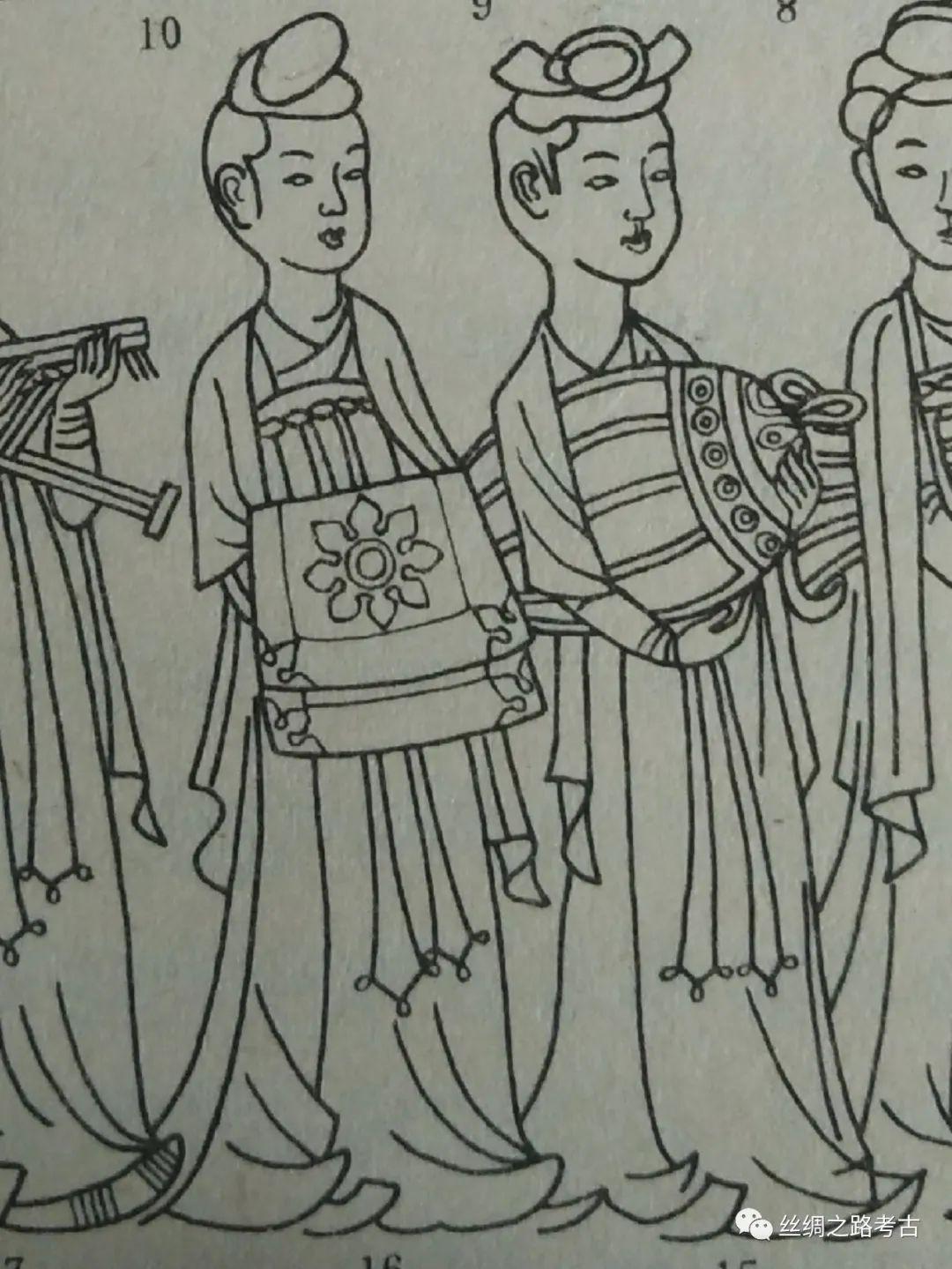
Figure 11 Partial Line Engraving of the Painting of Ladies in the Stone Outer Coffin of Li Shou's Tomb (Painted by Sun Ji)
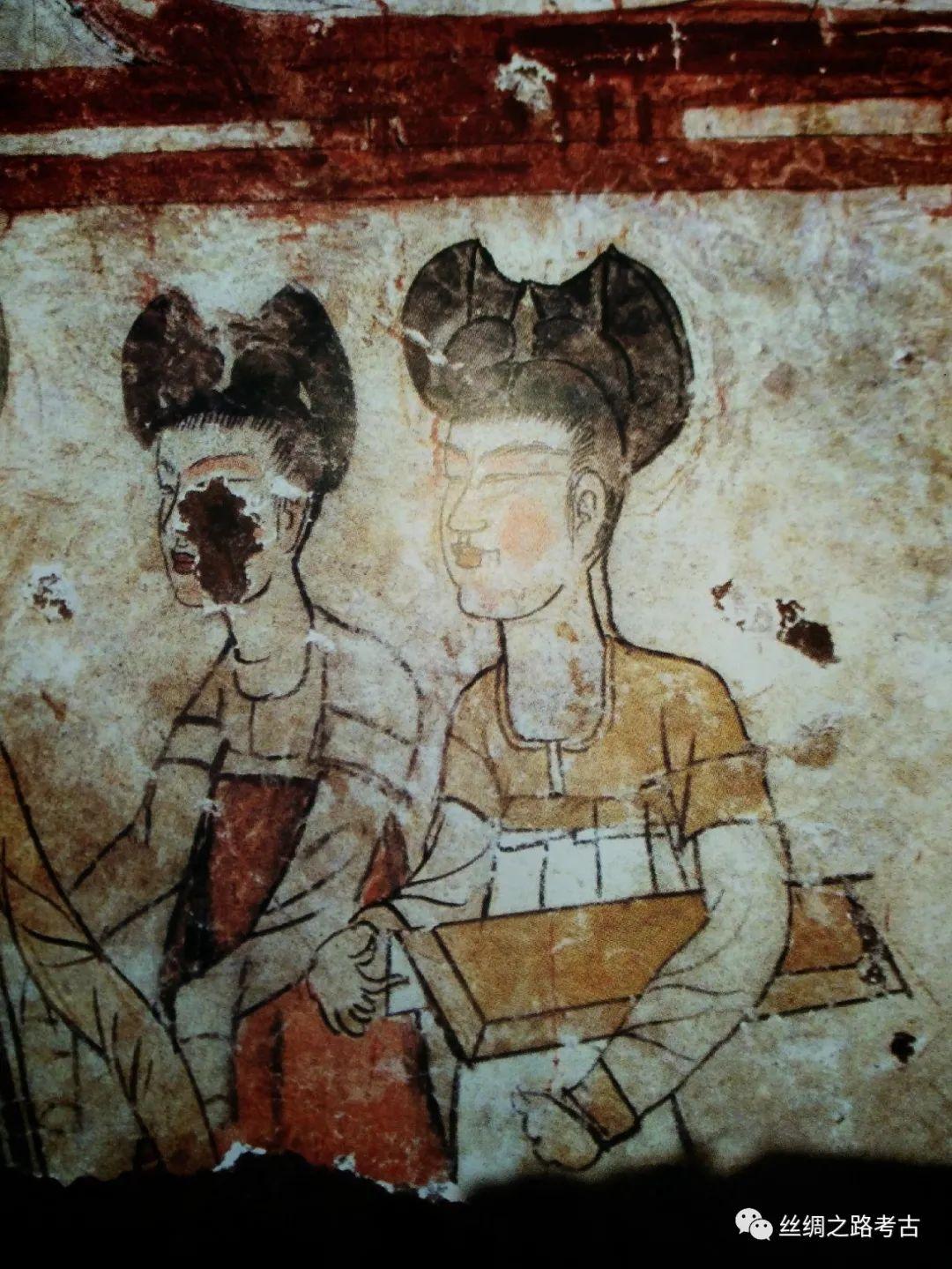
Figure 12 Part of Mural Painting in the Tomb of Princess Xincheng
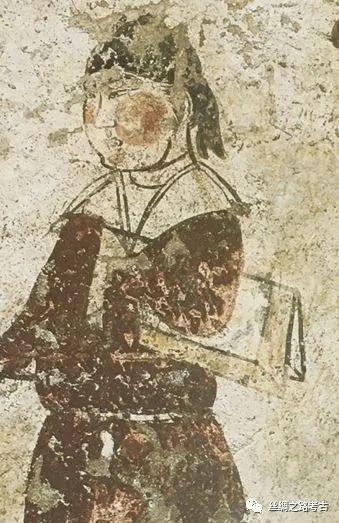
Figure 13 Part of the mural paintings excavated from Li Feng's tomb
The size of the small dance mat is roughly similar to that of a single cushion, and we can see evidence in the images that the attendants carried this object with them, such as the embroidered fabric held in the hands of an attendant in the line carvings in the outer coffin of Li Shou's Tomb (Figure 1.1), and a similar object in the mural paintings in the tomb of Princess Xincheng and in the tomb of Li Feng, which the attendant folds up and clutches under her armpits (Figures 1.2 and 1.3).
III. Decoration and Texture
The above explains the “Dance Feast” in Tang Dynasty images and poems from a functional point of view, and then we will give a brief explanation of its ornamentation and texture. Lu Zhaolin's “Song of Dengfeng Great Drinking Company” writes, “The night is over with the complicated strings and the beautiful seats, and the wonderful dances and clear songs have not yet returned. ‘28 ’Beautiful” refers to silk fabrics with dark flowers on a plain background, which was classified as damask in the Tang Dynasty.29 “The green bamboos and peaches and plum blossoms by the poolside are covered with a colorful haze in the dance feast under the flowers. Under the flowers, the dance feast is covered with colorful haze. “30 It is a kind of dance feast that is dyed pink and looks like colorful haze. The highest peak of Li's poem, “Dancing on the Danxia, singing in the white snow; standing will be the color of literature and silk, the emperor's palace”, also describes the dance feast as a reddish-red color, Dunhuang document P.2567 on the back of the “Chaoyangxia Jin”,31 and Du Yang's “Dance Feast Paved with Colorful Haze”. Dunhuang document P.2567 on the back of the “Chaoxia brocade” 31, “Duyang miscellaneous compilations” recorded female barbarian country tribute “Mingxia brocade” 32, when similar to this.
In terms of color, in addition to red, the common “tortoiseshell feast” or “tortoiseshell feast” is a description of a yellowish-brown color. High-quality brocade feasts even had gold threads.33 The gold snake in Li He's “Six Songs of Sensational Irony” (感讽六首), “Dancing mat with mud and gold snakes, and bed of tung and bamboo with flowers” (桐竹罗花床),34 refers to the gold threads. We can imagine the visual effect of this kind of dance feast from the excavated purplish-red, gold-embroidered worship cushion with the Baoxiang group flower pattern (Figure 14).35 High-grade brocade is also known as weaving, and Du Fu has a poem titled “Prince Zhang Sheren Left a Weaving Mattress Section,” in which he says, “Guests came from the northwest, and left me a green weaving,” referring to a kind of turquoise-colored brocade.
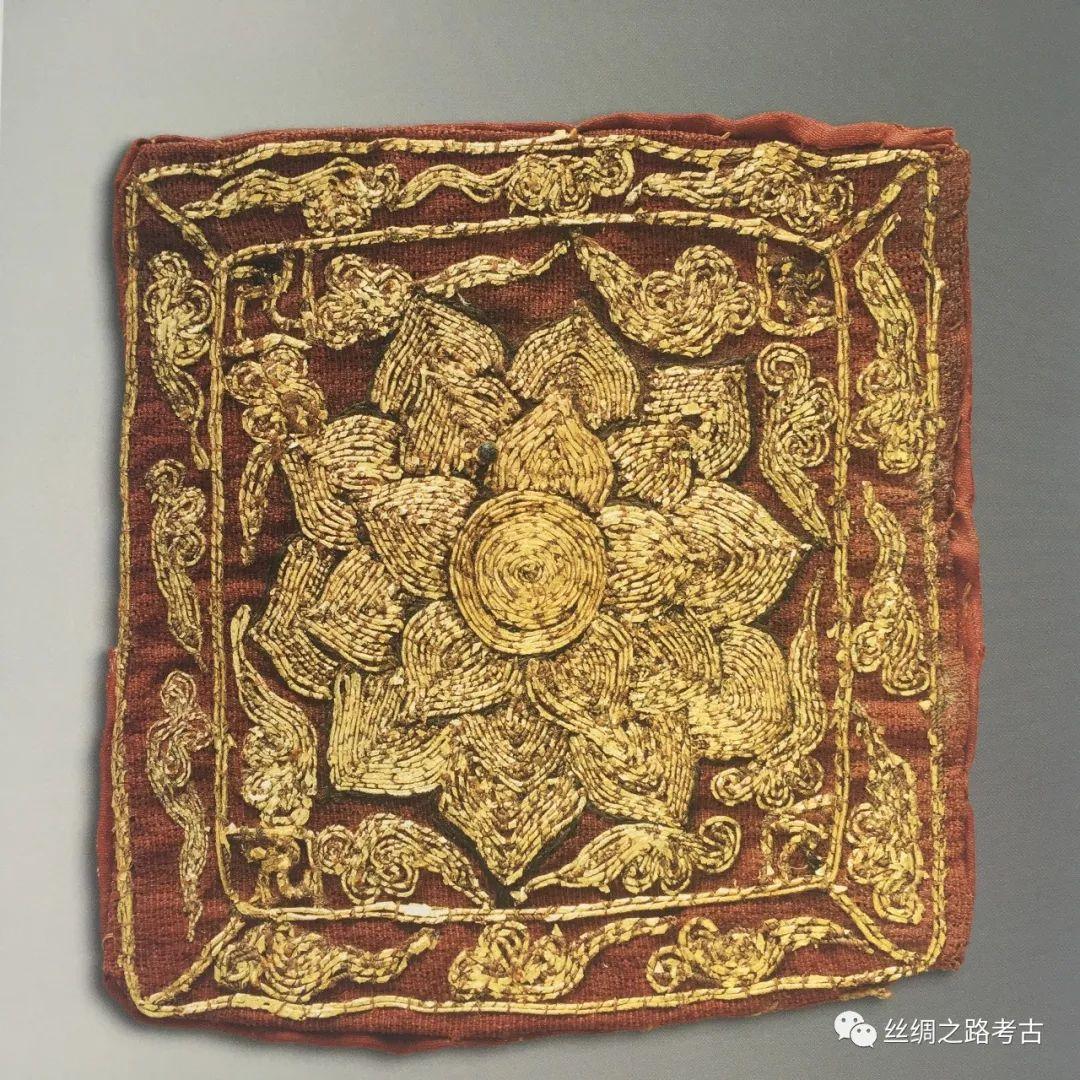
Figure 14 Purple-red, gold-embroidered worship cushion unearthed at Famen Temple
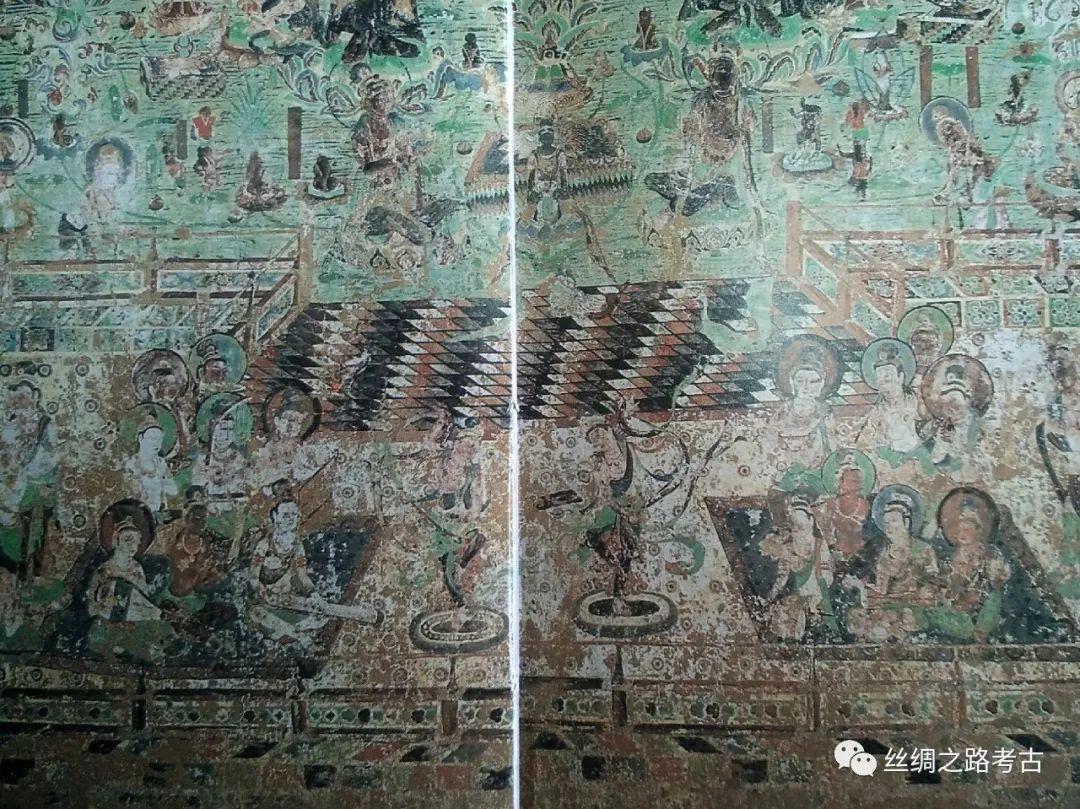
Figure 15 The Dance on the South Wall of Cave 220 in Mogao Caves, Dunhuang
We can see in the Mogao Grottoes early Tang Dynasty cave murals and Han Hugh tomb mural music and dance very similar items. 220 caves were painted in the early Tang Dynasty, the north and south walls have a large complete, vivid music and dance picture, the south wall of the Amitabha Sutra under the change of the music and dance picture (Figure 15), and Han Hugh tomb mural painting of the overall structure of the almost the same, a careful examination of the dancers and the band of the dance feast, but also into a group of a set of supplies, modeling and patterns and Han Hugh tomb seen quite close. 220 caves north side of the band of rectangular dance feast can also be seen on fabric patterns (Figure 6). The rectangular dance feast under the band on the west side also shows the flower pattern on the fabric (Fig. 1.6). 220 Cave's four dancers on the north wall of the Yakushi sutra are on a much larger scale, with two dancers on the west side weaving a deer or dog pattern under the feet of the dance feast (Fig. 1.7), and a circle of beads around the periphery, with a tassel, which is quite a realistic representation. 220 Cave's mural paintings of the dance and the close connection between Chang'an society of the same time period36 , its furnishings, and its decoration are very similar to that of Han's tomb. The mural paintings of music and dance in Cave 220 are closely related to the society of Chang'an in the same period.36 The furnishings are naturally similar to the style of the capital.
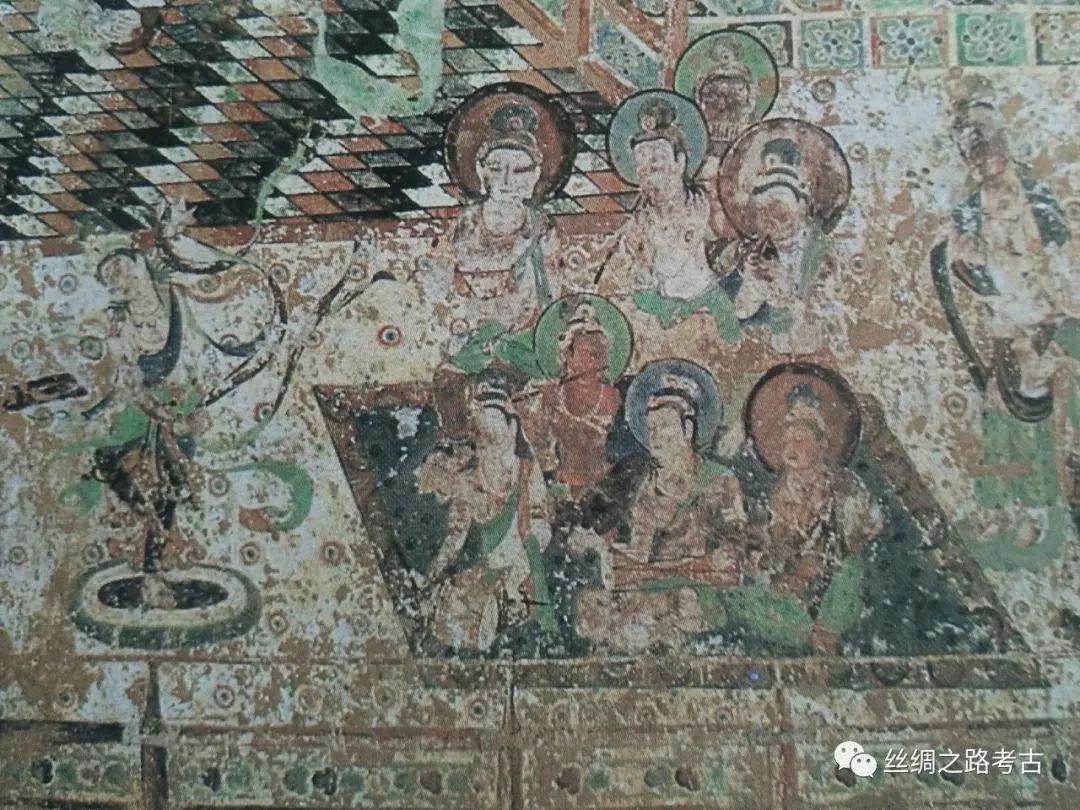
Figure 16 Part of the music and dance on the south wall of Cave 220 in Mogao Caves, Dunhuang
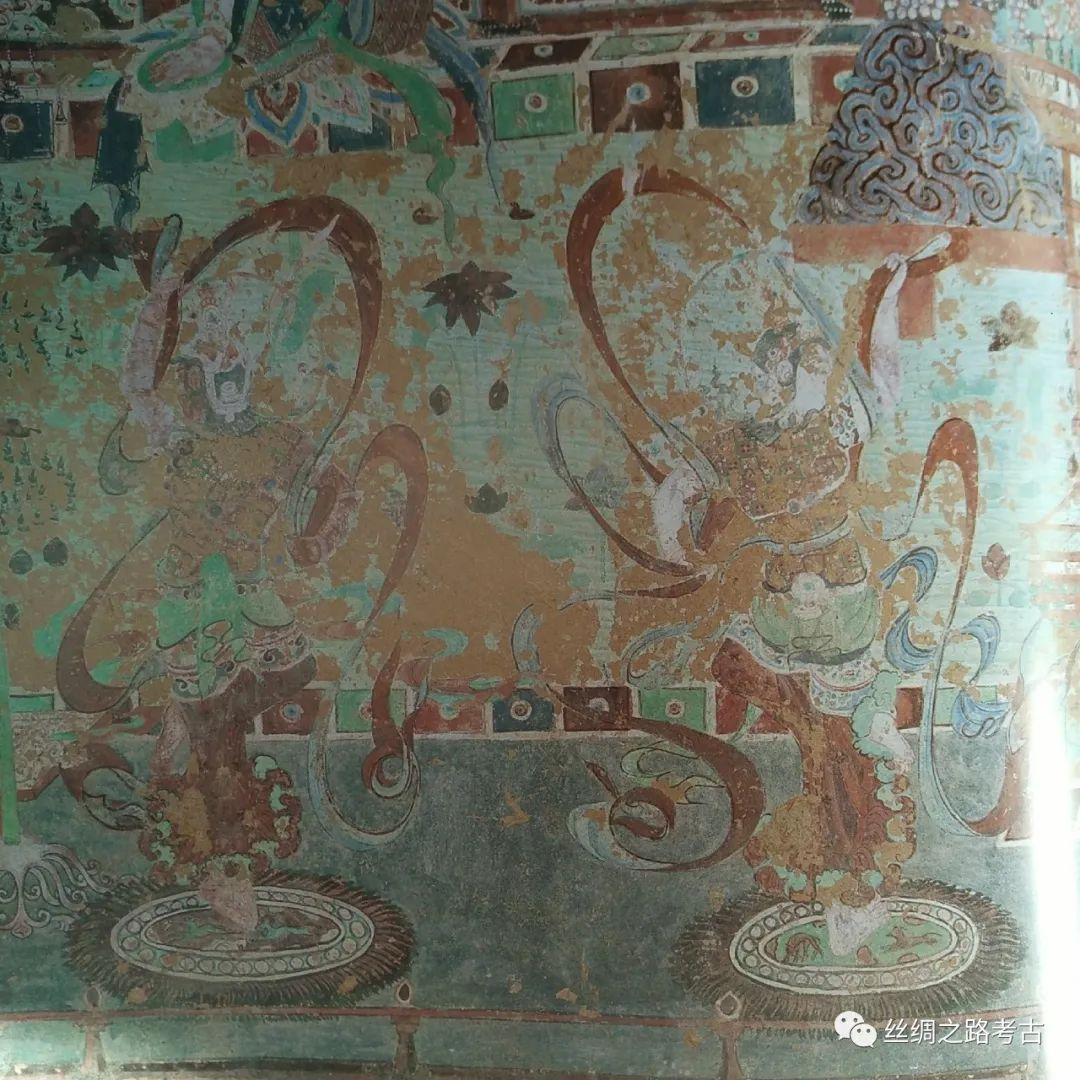
Figure 17 Part of the music and dance on the north wall of Cave 220 of Mogao Caves in Dunhuang
Mr. Xu Shiyi believed that “cap tassels” were fabrics made of animal and plant hair, and then pointed out that “the words ‘jinsha’ (锦筵), ‘xiuzhi’ (绣褥), ‘qizhi’ (地褥), ‘dansha’ (舞筵), ‘diyi’ (地衣), ‘maojin’ (毛锦), ‘maobu (毛布), and ’maozhi” (毛褥), were translations of woolen articles made in western regions, which were used as both mattresses and carpets. As noted above, however, the Tang dance feast was in fact a long-established piece of music and dance equipment, made not only of silk, but also of wool and silk-wool mixed fabrics. This kind of woolen dance feast was mostly associated with foreign music and dance from the West in the impression of the Tang people, as Liu Yanshi's “Watching the Dance of Huteng at Night in the Residence of Wang Zhongcheng” says, “Jumping body and turning hubs of the treasure belt, getting feet colorful and soft brocade boots; chaotically spreading the new carpet of snowy vermilion hair, and flicking the light flowers under the red candles in the evening”.38 Here, the “blanket” is a kind of red and white blanket, which is made of a kind of red and white cloth. The “woolen blanket” here is a red and white woolen fabric, which, together with the woven false hat and the fine prestige hu shirts, demonstrates the cultural characteristics of the Western regions.
Figure 18 Lintel of the Big Wild Goose Pagoda: Sakyamuni's Sayings
Figure 19 Square Bronze Mirror with Inscription of Hou Jinzhi
Han Huo tomb mural music and dance picture shows the “dance feast” material seems to be both silk and wool, which is surrounded by a circle of hair fringe, this style of dance feast in addition to the Mogao Grottoes 220 caves music and dance murals and other aristocratic tombs of the same period, but also in the third year of the Yong Hui (652), Big Wild Goose Pagoda lintel of the fountain of the Shakyamuni sayings picture of the kabuki picture below (Figure 18) 39, Hou Jinzhi inscribed square-shaped bronze mirror (Figure IX) 40, gilt kabuki pattern Xiangbaozi unearthed at Famen Temple (Figure 20), etc.41 It is a very elaborate style of dance feast. The dance feasts seen in Han Xiu's tomb are decorated with a small baoxiang flower pattern, which was popular in the early Tang dynasty.42 We can also see similarly decorated worship cushions on Dunhuang murals of this period (Figs. 2.1 and 2.2), which are close to the style of the aquamarine-ground baoxiang flower brocade excavated from Koji Niang's tomb in the third year of the reign of King Kaiyuan in Astana (715) (Fig. 2.3).44 The dance feasts in Han Xiu's tomb have a similar style, but they are not as popular in the early Tang period.
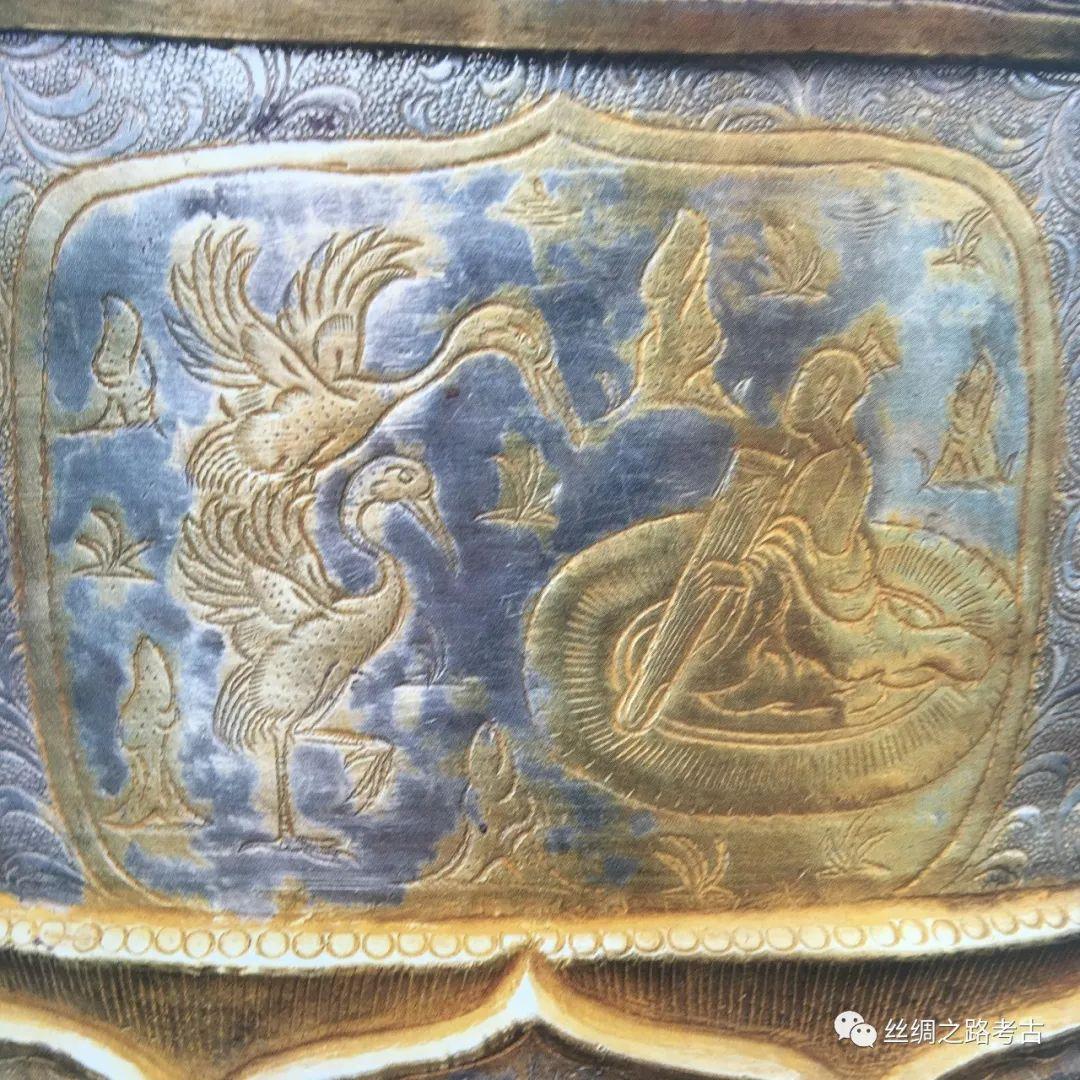
Figure 20 Part of the gilt kabuki patterned incense burner excavated from the Famen Monastery
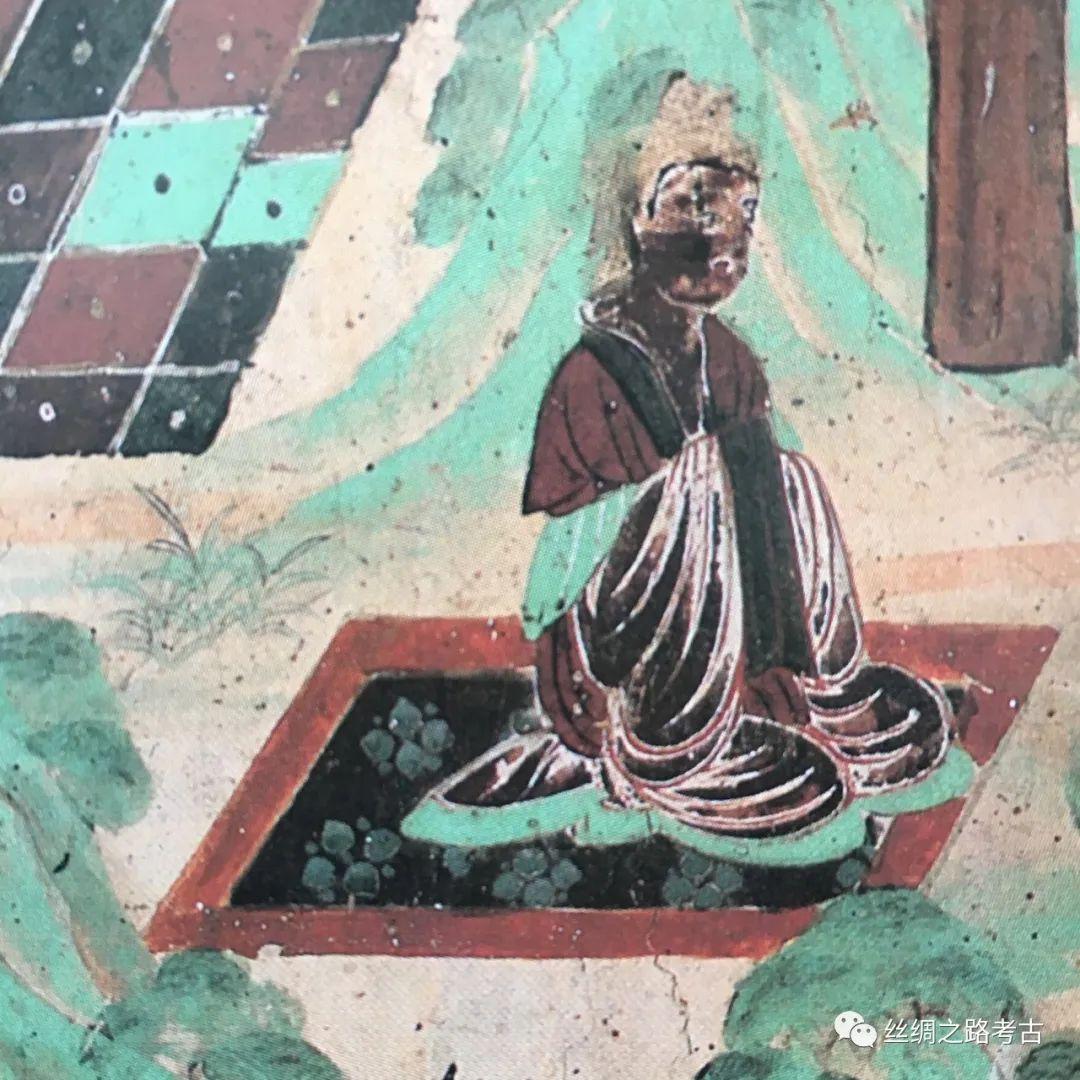
Figure 21 Localized mural painting on the north wall of Cave 217 in Mogao Grottoes
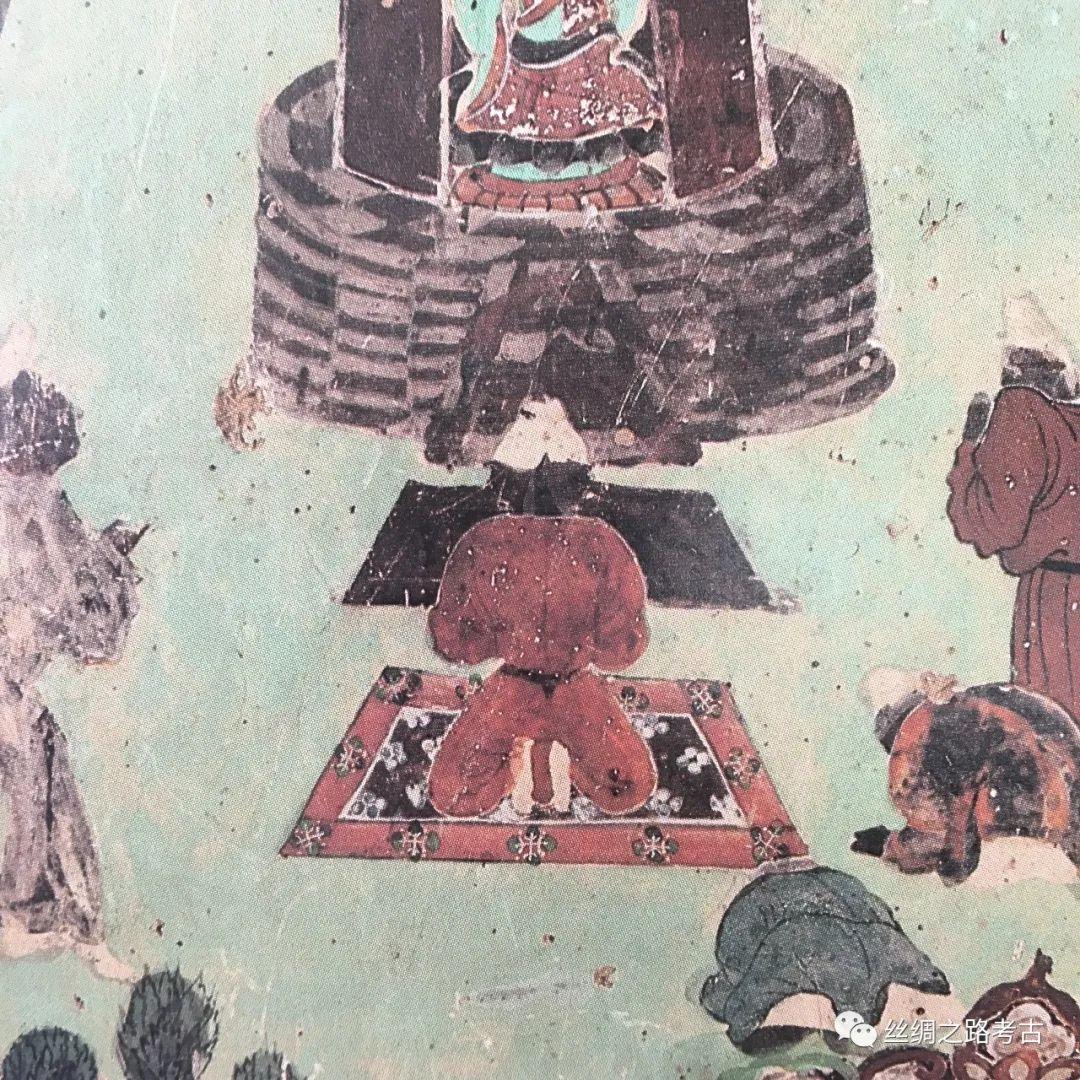
Figure 22 Part of the south wall mural of Mogao Cave 217
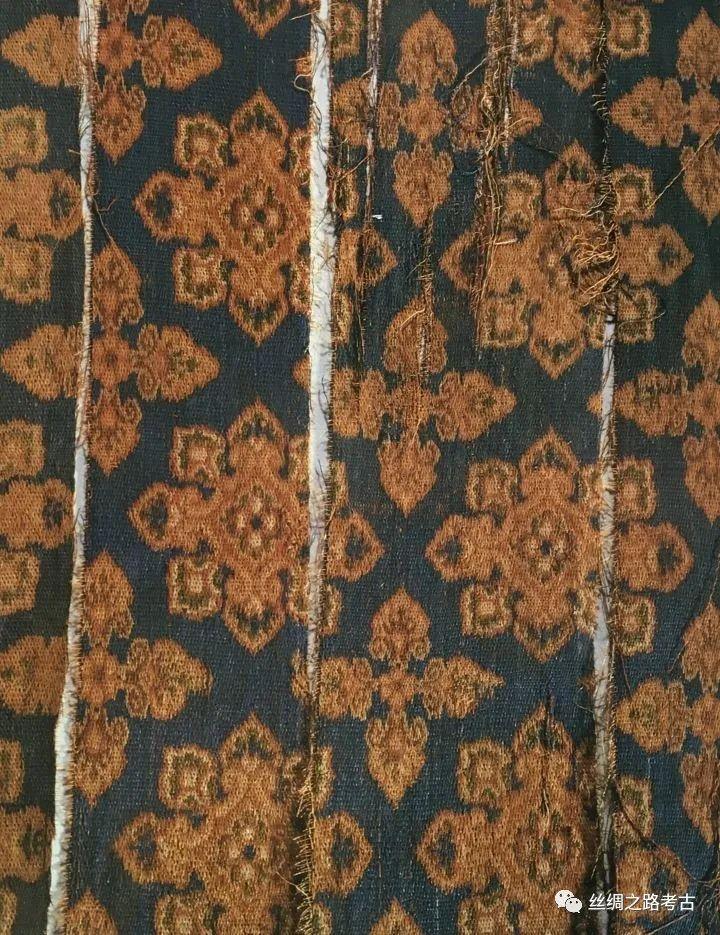
Figure 23 Brocade fragments excavated from Tomb No. 188 of Koji Maiden in Astana, Turpan
Through the dance feasts seen in different image materials, we can see that this item was a regular part of the daily music and dance life of the Tang Dynasty nobles, with different textures, silk fabrics, wool fabrics, or both, and a variety of patterns.
Summary
Combined with the Dunhuang 220 caves music and dance murals and other pre-Tang officials and nobles tomb music and dance images can be seen, Han Huo tomb music and dance picture has some kind of programmed iconography and elements; not only to a certain extent reflect the real-life music and dance scenes, but also become a symbol of the status of the tomb owner. The dance feasts of different sizes and sets on the picture naturally have the same function. Fundamentally, the dance feast is related to the ancient Chinese lifestyle of sitting on the ground, and the music and dance performances are also carried out on the “mat” accordingly. Tang refers to the dance feast, there are two types of name, or according to its function, called “dance feast / mat” “song feast / mat” “brothel feast / mat”, etc., or because of its texture and color craftsmanship, the name is The names of these feasts were also given because of their texture, color and workmanship, such as “绮筵/席”, “绣筵/席”, “锦筵/席”, and so on. In addition, the emergence of the words “綩綖”, “地衣”, “茵褥”, etc., is related to the translation of the Buddhist scriptures and the eastward spread of the Buddhist culture; and the felt blanket, rug, etc., and such high-level woolen fabrics originated from nomadic people.
Tianbao ten years (752), Xuanzong issued a royal edict that “the fifth grade has been on the official, the Road Festival Ministers and governors, and listen to when the family storage of silk and bamboo, in order to show the pleasure, the line of music in the fullness of time. ”45 In the royal family under the leadership of the aristocracy and officials to enjoy the music of the feast wind is extremely popular, the art of music and dance is also unprecedentedly prosperous. In the pre-Tang period, “treasures, brocade, music, female prostitutes” were used as bribes,46 based on the specific social realities of the time. In this atmosphere, the feast became a symbol of wealth, status, and identity, and the fabrics and colors were extremely elaborate; this is evidenced by the large number of vivid depictions in images and poems. These feasts were used for all kinds of musical dances, not only for exotic dances such as the hu-huan dance. Its texture is either silk, or wool, or silk and wool mixed weaving, are time-consuming and labor-intensive luxury goods. In this regard, the dance feasts on the murals of Han Huo's tomb, as a kind of necessity in the daily life of the high society, broke through the boundaries of Hu-Han, Buddhism and vulgarity, reflecting the court interest and cultural style of Xuanzong's dynasty, and became a symbol of the luxury and colorful court culture of the Tang Dynasty.
Notes
1 “Tang Han Huo tomb unearthed mural symposium” summary [J]. Archaeology and Cultural Relics, 2014(6).
2 On date palm trees, see [American] Laufer, translated by Lin Yunin. Chinese Iran edited [M]. Beijing: Commercial Press. 2001: 203-216.
3 Cheng Xu believes that the dance is the hu-huan dance, and the music is the hu-han mingled hu-bei xinsheng or xiliang music, cf. Study on the Attributes of the Tang Han Huo Tomb <Le Dance Diagram> and Related Issues [J]. Wen Bo, 2015 (6); Zhou Weizhou believes that the music and dance as a whole is the “new sound of Hu” that was popular in the Sheng Tang Dynasty, referring to the analysis of the “music and dance map” of Han Huo's tomb in Tang [J]. Archaeology and cultural relics, 2015(6).
4]Liu Daiyun. Analysis of the layout of mural paintings in the tomb of Tang Han Xiu [J]. Chinese painting and calligraphy, 2015(11).
5 Same as [3].
6Shanxi Provincial Museum, Shaanxi Provincial Cultural Management Committee. Briefing on the excavation of Tang Li Shou's tomb [J]. Cultural relics, 1974(9).
7 Zhaoling Museum, ed. Mural paintings of Tang tombs in Zhaoling [M]. Beijing: Cultural Relics Press. 2006: 221.
8 Shaanxi Provincial Archaeological Research Institute ed. Report on the Excavation of Tang Li Xian's Tomb [M]. Beijing: Science Press. 2005: 151-153.
9 Shaanxi Archaeological Institute Tang Tomb Working Group. Brief report on the cleanup of Tang Su Si Castor's tomb in the eastern suburb of Xi'an [J]. Archaeology, 1960(1).
10 Jing Zengli and Wang Xiaomeng. Newly Discovered Tang Tomb Murals in Fuping County [J]. Archaeology and Cultural Relics, 1997(4).
11 Yan Xinzhi. A Brief Discussion on Private Music and Dance in Tang Dynasty [J]. Wen Bo, 1991(1).
12 Institute of Archaeology, Chinese Academy of Social Sciences. Tang Chang'an city outskirts of Sui and Tang Dynasty tombs [M]. Beijing: Cultural Relics Publishing House. 1980: color plate II, color plate 8.5; the color of the flower is close to that of the haloed jacquard brocade unearthed in Astana, Turpan, cf. Xinjiang Uygur Autonomous Region Museum of Unearthed Relics Exhibition Working Group, ed. Silk Road - Han and Tang Dynasty Fabrics [M]. Beijing: Cultural Relics Publishing House. 1972: fig. 42.
13 Ji Dongshan, ed. The charm and splendor: terracotta figurines volume. Xi'an: Sanqin Publishing House. 2006: 150-151.
14Shokurain office, ed. Treasures of Shosoin [M]. Tokyo: Asahi Shimbun. 1965: Musical Instruments, Plate 5.
15 Fu Xi-nian. The Formal Construction of Tang Dynasty Tunnel Tombs and the Aboveground Palaces Reflected Therein. Cultural relics and archaeology collection [M]. Beijing: cultural relics press. 1986 :322-343.
16 Wang Bo wrote, He Lin Tian annotated. Wang Bo, He Lintian. Re-editing the new school of Prince An [M]. Volume III. Taiyuan: Shanxi People's Publishing House. 1990: 41.
17 Xu Ling, edited by Mu Kehong. Yutai xinrong笺注【M】. Volume V. Beijing: Zhonghua Shuju Bureaus. 1985: 192.
18 Peng Dingqiu, ed. All Tang poems [M]. Volume 8.7. Beijing: Zhonghua shub. 1960: 945.
19 Peng Dingqiu, ed. Quan Tang poems [M]. Volume 160. Beijing: Zhonghua shub. 1960: 1662.
20 Peng Dingqiu, ed. Quan Tang poems [M]. Volume 37. Beijing: Zhonghua shub. 1960: 486.
21 Zhu Jincheng Jianzhu. Bai Juyi ji zhi zhi [M]. Volume 1.3. Shanghai: Shanghai Ancient Books Publishing House. 1988: 717.
22 Peng Dingqiu, ed. All Tang poems [M]. Volume VII.35. Beijing: Zhonghua shu bure. 1960: 8396.
23 Yang Zhishui. The Dan Pillow and the Capsicum Tassels: An Examination of Buddhist Art [J]. Shanghai Academy of Social Sciences, Traditional Chinese Studies Collection, edited by the Editorial Committee. Traditional Chinese Studies Collection. No. 9 and 10, edited by the Editorial Committee of Traditional Chinese Studies Collection, Shanghai Academy of Social Sciences. Shanghai: Shanghai People's Publishing House, 2012: 306-309.
24 Zhu Jincheng Jianzhu. Bai Juyi ji zhi zhi [M]. Volume 2-4. Shanghai: Shanghai Ancient Books Publishing House. 1988: 1639.
25 Zhu Jincheng Jianzhu. Bai Juyi ji ji zhi [M]. Volume III1. Shanghai: Shanghai Ancient Books Publishing House. 1988: 2134.
26 Peng Dingqiu, ed. All Tang poems [M]. Volume 536. Beijing: Zhonghua shub. 1960: 6117.
27 Zhu Jincheng Jianzhu. Bai Juyi ji zhi zhi [M]. Volume 2-3. Shanghai: Shanghai Ancient Books Publishing House. 1988: 1557.
28 Peng Dingqiu, ed. All Tang poems [M]. Volume 4.2. Beijing: Zhonghua Shuju Bureaus. 1960: 532.
29 Zhao Feng. Silk and the Silk Road in the Tang Dynasty [M]. Xi'an: Sanqin Publishing House. 1992: 108-113.
30 Peng Dingqiu, ed. All Tang Poems [M]. Volume 3-56. Beijing: Zhonghua Shuju. 1960: 4003.
31 Zhao Feng, ed. Dunhuang Silk and the Silk Road [M]. Beijing: Zhonghua shub. 2009: 65.
32 Su Osprey. Du Yang miscellaneous edits [M]. Volume II. Beijing: Zhonghua shub. 1985: 23.
33 On the gold brocade, see Shen Congwen. Shen Congwen quanji [M]. Volume 30. Beijing: Beiyue Literature and Art Publishing House. 2002.
34 Peng Dingqiu, ed. All Tang poems [M]. Volume 394. Beijing: Zhonghua shu bure. 1960: 4437.
35 Shaanxi Institute of Cultural Relics and Archaeology. Report on the Archaeological Excavations at Famen Temple [M]. Beijing: Cultural Relics Press. 2007.
36 a. Sha Wutian. Tang Rhythm and Hu Style: Dance Drawings from Cave 220 of Mogao Caves and Chang'an Style [J]. Journal of the Shaanxi History Museum. 20th series. Xi'an: Sanqin Publishing House.2013: 189-205; b. A precious nighttime music and dance map of Chang'an in the Tang Dynasty - an interpretation centered on the lamp in the music and dance map of the Yakushi Sutra Transformation in Mogao Cave 220 [J]. Dunhuang Research.2015(5): 34-45.
37 Xu Shiyi. The examination of jin yu, dance yu, and tassel tassels [J]. Literary Heritage. 2005(3); “Kam Feast” and “Dance Feast” Examination of Origin [J] Yanzhao Academic. 2007 Autumn Volume.
38 Peng Dingqiu, ed. All Tang poems [M]. Volume 468. Beijing: Zhonghua shub. 1960: 5324.
39 Bai Wenming, ed. Atlas of Decorative Arts of Ancient Chinese Architecture [M]. Beijing: China Construction Industry Press. 2008.
40 Chinese bronzes edited by the editorial committee of the complete collection of Chinese bronzes. Chinese bronzes complete collection 16 copper mirror [M]. Beijing: Cultural Relics Press.1998.
41 Shaanxi Provincial Institute of Cultural Relics and Archaeology. Report on the Archaeological Excavation of Famen Temple [M]. Beijing: Cultural Relics Press. 2007.
42 This is a conclusion drawn from Dunhuang objects, cf. Zhao Feng, ed. Dunhuang Silk Art Collection - English Collection [M]. Shanghai: Donghua University Press. 2007: 121-127, 152; Dunhuang Silk Art Collection - French Collection [M]. Shanghai: Donghua University Press. 2010: 162-167.
43 Dunhuang Research Institute, ed. China's Caves: The Mogao Grottoes of Dunhuang. Book III [M]. Beijing: Cultural Relics Press. 1999.
44 Xinjiang Uygur Autonomous Region Museum. Chinese Museums - Xinjiang Uygur Autonomous Region Museum [M]. Beijing: Cultural Relics Press, 1991: 53.
45 Wang Pu. Tang Hui Yao [M]. Volume III.4. Shanghai: Shanghai Ancient Books Publishing House. 2006: 735.
46 Zhang gull, Cheng yizhong commentary. The Legitimacy of the Imperial Court [M]. Volume V. Beijing: Zhonghua Shuju Bureaus. 1979: 117.
Editor's note, the original text was published in Archaeology and Cultural Relics, No. 5, 2020, pp. 102-107. Slightly changed during editing, please cite according to the original text.